Logistics of travel – part 5: 10 things to do before you head off

Whether you’ve decided to plan ahead like me or just wing it, this list is for everyone; some things are too important to leave to chance.


1. Check whether or not you need visas
Some countries won’t let you in without a visa, and they’ll have no qualms about shipping you right back to where you came from. For that same reason, even if certain countries do offer visas on arrival at a cheaper rate, you’re still better off organising them beforehand. Imagine if you spent all that time and money on your dream adventure only to be turned away before even leaving the airport?! And yes, it does happen – I worked as a travel consultant and heard a colleague dealing with that situation on the phone one day.


2. Get travel insurance
If you can’t afford insurance, you can’t afford to travel. It’s as simple as that. This should be the very first item you purchase, and as far as I’m concerned, it’s absolutely non-negotiable. And if you think it’s expensive, consider how much an ambulance or surgery could cost in a country like America, where the health care system isn’t quite what we have in Australia.

3. Register your plans with Smart Traveller
I’m a big believer in “hope for the best, but plan for the worst,” so the next few points are along that path. First up, register your plans on Smart Traveller. It’s a service provided by the Australian Department of Foreign Affairs and Trade, and is basically the place to register your travel plans for any “just incase” situations (think natural and man made disasters). If you’re a non-Aussie reader, check if your country offers something similar.


4. Put an itinerary together for family/friends
As well as registering plans with Smart Traveller, I always leave a copy of my itinerary with family and/or friends. Because if anything were to happen to me overseas or to my loved ones back at home while I’m travelling, I want them to know how to find me quickly. My itineraries will always have:
– passport & visa copies
– insurance details
– flight/train details (dates, times, cities & flight/train numbers)
– accommodation details (name, address, phone, email, booking number, dates)

If you don’t want to print everything, Evernote is an app you need. It’s a note taking app which I used to plan our entire four month round the world trip. The advantage it offers is the ability to share notebooks with other users, so if you have an itinerary folder with all those details, you can just share access to it via the app. It also means that if you change or update anything while you’re away, the people you’re sharing with will be able to see the changes.


5. Know where your local consulates are
Call it overkill, but with some of the scary stuff going on in the world today (if Kim Kardashian isn’t safe in her Parisian hotel, what hope do the rest of us have?!), I’m erring on the side of caution. It doesn’t take long to Google and save the addresses, phone numbers and/or email addresses of your country’s consulates in some of the bigger cities you’ll visit. Save them in your phone, it couldn’t hurt!


6. See  your doctor
A quick phone call to your GP’s office should be able to tell you if you need any immunisations. Also, if you take prescription medication, make sure you have enough to get you through your trip. Some countries can also be quite strict regarding medication coming through customs, so if that’s going to be an issue for any places you’re visiting, ask your doctor for a letter to bring along with you.
img_0107

7. Call your bank and organize your foreign currency
Seems like a no-brainer, but make sure you know what currency you’re going to need! Rather than travelling with cash or being stung with foreign transaction fees at ATMs when you’re away, consider a travel debit card. I use a Cash Passport, and it’s perfect for what I want; I can load multiple currencies, use it overseas in ATMs or as a regular debit card with no transaction fees, and best of all is that I can top it up whenever I’m running low on cash via their website!

It’s also worth letting your bank know you’re going to be overseas for a while so if there’s a lot of international activity/you don’t touch your account for several weeks, they won’t shut it down.


8. Sort out your phone/communications
I don’t have international roaming on my phone, nor do I intend to. When you travel, there is pretty much always access to free Wi-Fi somewhere. If you don’t want to worry about a horrific phone bill while you’re away (especially if it’s for a few months), think about using apps like Skype, Viber or WhatsApp that you’ll be able to use when your connected to free Wi-Fi instead.

I’m also not on Facebook or Twitter, so my family and friends follow my travels on Instagram. You can also created a private, password-protected mini-blog using Tumblr (totally underrated app) that only your family and friends have the password to, so you can share more personal stuff. There’s also the functionality of a private message section and a public post section, again to make it easy to communicate without international roaming.


9.Bills, bills, bills
Unfortunately, just because you’re checking out of the real world for a while doesn’t mean it stops. If you’re like us, there’s still a mortgage, bills, car and health and home insurance to be paid while we’re away! . I’ve gone into way more detail about the financial side of things in this post, so a few small points here.

We’ve been saving and budgeting for this trip for quite a while, and have been putting a bit of extra money away each pay day to cover our mortgage repayments and other direct debits while we’re away. This way, any money we get paid for annual leave from work goes straight to our trip instead of those bills.

We’ve also elected to receive electronic bills for utilities, so we won’t miss anything. If that’s not possible, it’s a good idea to ask a friend to check your mail every week and open anything that looks like a bill, so you can pay it on time. The other option is to see if anything else can be set up on a direct debit payment plan.
10. Record it all!
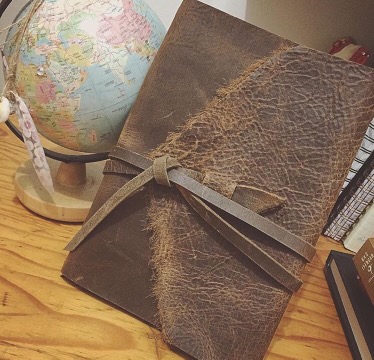
I’m obviously one for recording the memories I create, and I don’t think I should be the only one – think about how much time and effort you’ve put into planning this adventure. You won’t want to forget it all a few weeks after you get home! Invest in a good camera, get a travel journal and nice pen, create a travel blog. However you want to do it, make sure you have some place to keep all of the magic moments that happen on the road; those are the moments that turn into golden memories years later 🙂


Top 5 Things To Do in Ho Chi Minh City (Saigon)

1. Get shopping & eating at the Ben Thanh Night Market

Where? Intersection of Le Loi, Ham Nghi, Tran Hung Dao Avenues and Le Lai Street
Why go? Amazing food and crazy atmosphere – there’s a really big mix of tourists and locals, too.
How long will you need? Don’t bother getting there before 7pm for the night market – then, stay all night.
Cost? Food and trinkets are all super cheap


2. Take a day trip to head out and crawl through the Cu Chi Tunnels

Where? There are heaps of providers for these tours, but I’ve done it with Buffalo Tours twice now, and wouldn’t go with anyone else!
Why go? The Cu Chi Tunnels are an absolutely enormous network of interconnecting tunnels underground in the Cu Chi region of Saigon (Ho Chi Minh City). The tunnels were used by the Viet Cong soldiers in the 1960s as communication and supply routes, as well as hiding spots and living quarters, which the area above ground was being bombed and razed. And seeing it first hand can’t even come close to reading about it.
How long will you need? The tour I did was a half day (morning)
Cost?  Private tour for US$52.00 per person, or small group tour for US$40.00 per person


3. Take in an incredible view of the city from EON51 Café at the Bitexco Financial Tower

http://eon51.com/cafe-eon/
Where? 36 Ho Tung Mau Street, Ben Nghe ward, District 1
Why go? Because the view is incredible, but it’s much cheaper to buy drinks at the café than it is for a ticket at the viewing platform!
How long will you need? An hour or so – it’s a great break from the heat and craziness in the city below.
Cost? We paid around AUD$18.00 for a fresh coconut and a fresh mango juice


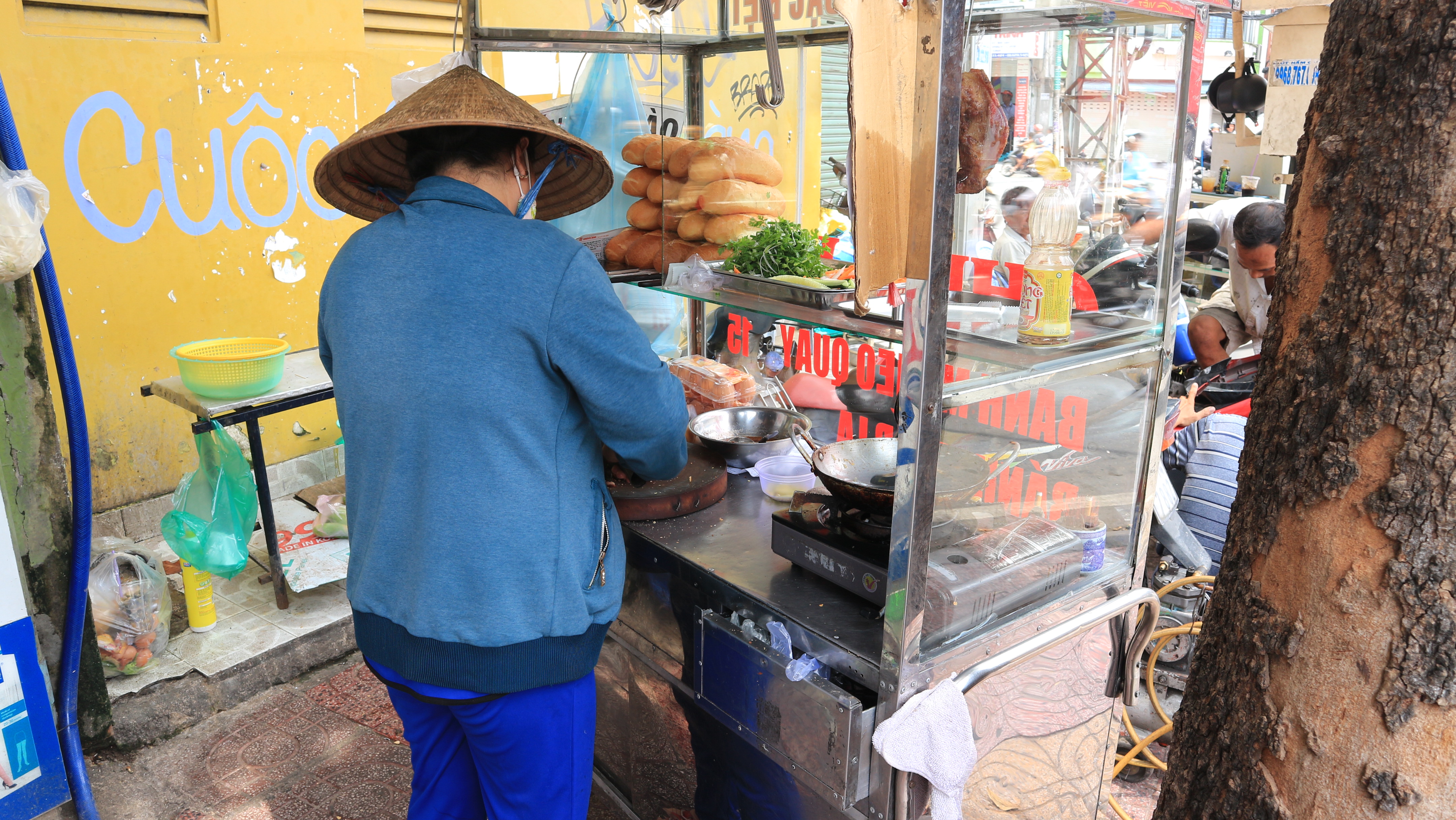
4. Ignore the stuffy tourists and eat the street food!

Why go? So many people will turn their noses up at the idea of eating street food in South East Asia; those people need to get their heads checked, because some of the best food in the city comes from the street!
Cost? Everything is cheap, which means you can stuff yourself silly!


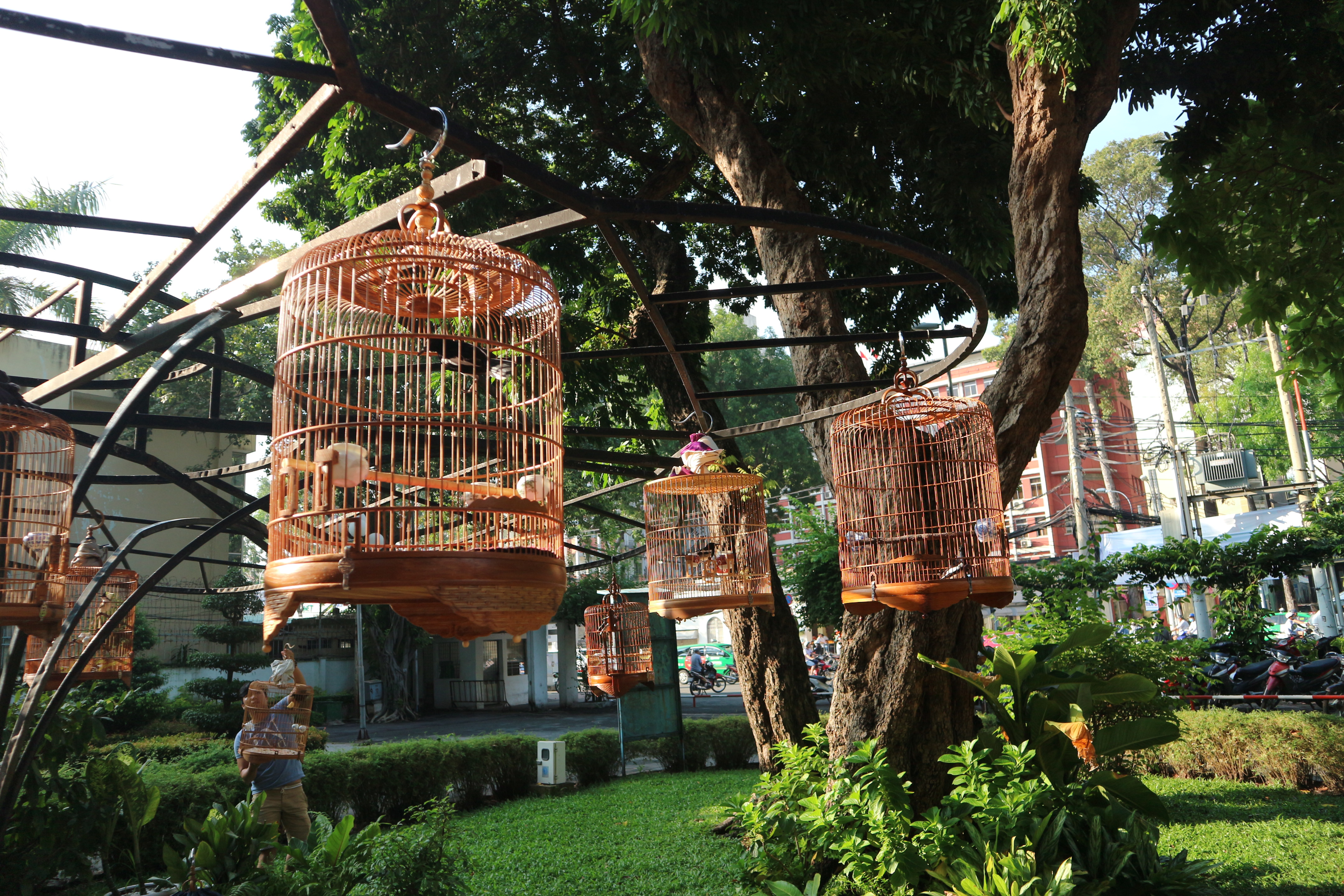
5. Join the locals and slow down with some coffee, bird song and people watching at Tao Dan Park bird café

Where? 110Bis, Nguyễn Du, Bến Thành, District 1
Why go? Each morning, from around 6am until around 8 or 9am, a corner of the park becomes a meeting place for men around 30 – 50 years of age, and their pet birds. Which makes it the most peaceful space set among beautiful gardens and full of birdsong.
How long will you need? Get there early and stay until the crowds start to drift off
Cost? So cheap I can’t even remember

Logistics of travel – part 4: Tracking your bookings (& saving your sanity)

Ok, we’ve worked out where and when to go. We’ve worked out roughly how much it’s going to cost. And we’ve worked out a plan to save the funds. Now that’s all done, it’s time to get booking.

If you’re taking a trip like ours, there’s going to be a lot to book. Flights, trains, hire cars, hotels, Airbnbs, insurance and visas, tickets to sports games and museums and cooking classes… When you have 4 months worth of bookings, you want to be able to keep tabs on things quickly and easily. You don’t need fancy accounting programs or booking-tracker apps; you literally just need a simple spreadsheet.

This is basically how mine is set up, in a note on my trusty Evernote app:
TRANSPORT:
FLIGHT DETAILS BUDGET ACTUAL COST & DATE PAID BOOKED WITH BOOKING
NUMBER
NOTES
01 Jan: MEL – LAX $2400.00 $2285.00 paid via credit card 18.02.17 Qantas website 18.02.17 XXX88X Saved email in RTW folder
02 Jan: LAX – YYC $600.00 $629.00 paid via PayPal 24.02.17 American Airlines website 24.02.17 XX55XX
08 Jan: YYC – KTN $800.00 $784.00 paid via credit card 02.03.17 Alaska Airlines website 02.03.17 XXXX98
ACCOMMODATION:
HOTEL
DETAILS
BUDGET ACTUAL COST & DATE PAID BOOKED WITH BOOKING NUMBER NOTES
01 – 02 Jan: Los Angeles hotel $150.00 USD$85.00 to be paid on arrival Booking.com 05.03.17 ABCDEF Double room, non-smoking
02 – 08 Jan: Calgary hotel $800.00
08 – 12 Jan: Ketchikan hotel $500
OTHER:
DETAILS BUDGET ACTUAL COST & DATE PAID BOOKED WITH BOOKING
NUMBER
NOTES
Travel insurance $400.00
Canadian National Parks pass $150.00
Ketchikan city tour $50.00

And that’s about it. The way I use this is:

1. I started by filling in the first column of the travel plans that needed to be booked.

2. I filled in the second column with the amount we budgeted for each item.


Once we actually started getting things booked in:

3. I filled in the third column with the actual amount we ended up spending and the date it was paid

4. The fourth column was who I booked with, be in via email, website, third party, whatever, and the date they confirmed the booking.

5. In column five, I just put the booking confirmation number.

6. And the last column is just any notes.

IMG_9659
This has been SO much easier that trying to write down details, keep track of receipts, dealing with piles of paperwork I’ve printed. Because pretty much everything is done online these days, I’ve been able to have all confirmations and payment receipts emailed to me, and if I need to find them, I just need to copy and paste the reservation number from that spreadsheet into my email search function. It has also been a great tool for keeping on top of how closely we’ve been sticking to our budget – realising how far under we actually were, we even decided to splurge on a gorgeous 4 star beach-side resort in Koh Samui for the end of our trip instead of our usual 2-star standard!

Top 5 Things To Do in Bangkok

1. Shop up a storm at Chatuchak Weekend Market
http://www.chatuchak.org/
Where? Chatuchak Market is adjacent to the Kamphaengpecth Station (MRT) about 5 minute walk from Mochit Skytrain (BTS) Station and Suan Chatuchak (Chatuchak Park) Station (MRT)
Why go? Spanning 27 acres, it’s one of the biggest markets in the world. The atmosphere is electric, the food is great, and if you can’t find something you want to buy, it doesn’t exist.
How long will you need? At least half a day
Cost? Depends how much you plan to buy – make sure you barter, though!


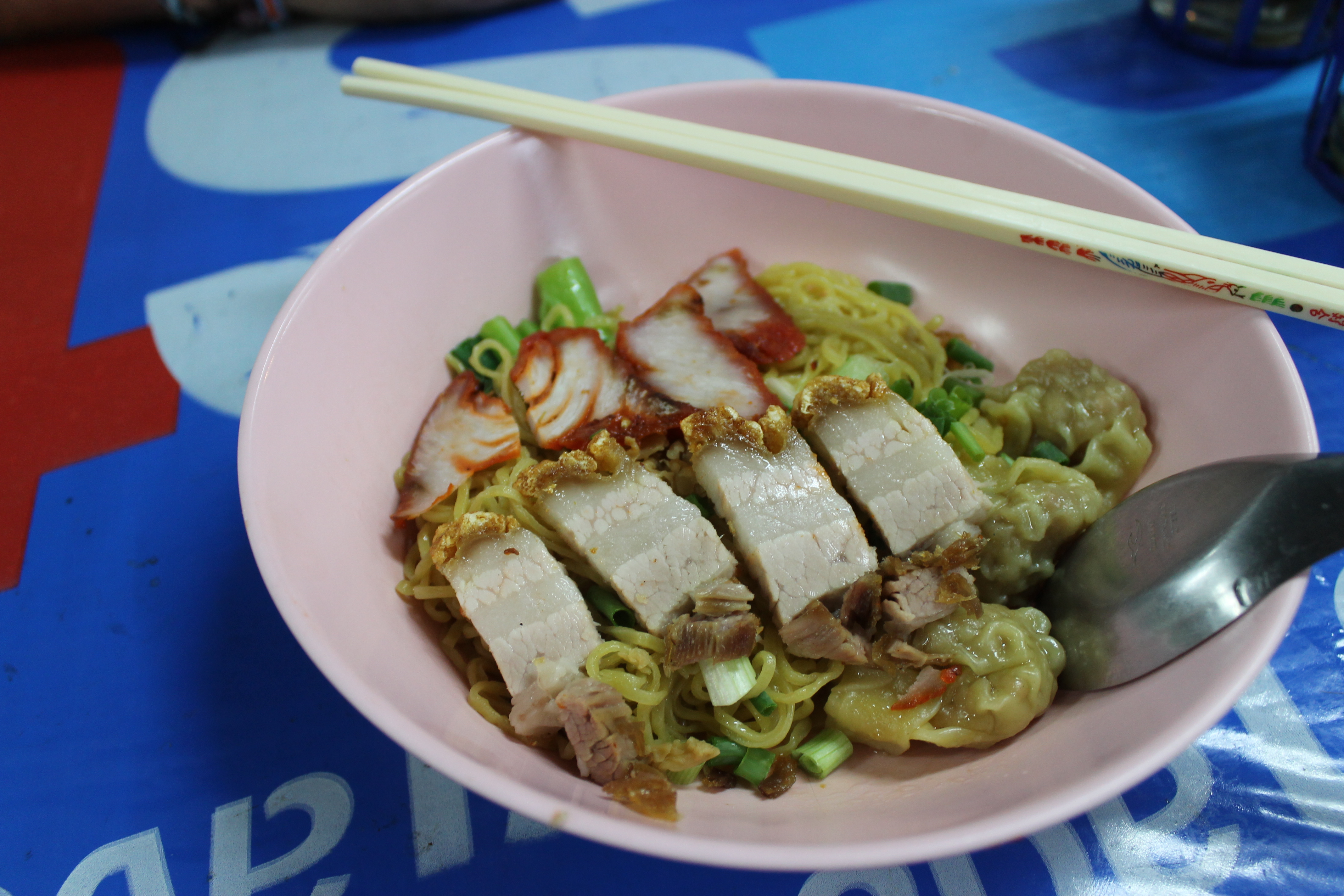
2. Eat up a storm on Soi 38

Where? right near BTS stop: Thonglor
Why go? Because it’s street food heaven. They all congregate there and the smell of it all is magic.
How long will you need? An hour or two
Cost? You’ll be able to get a great meal for only a few dollars – the pork and noodle dish above cost under AUD$4.00!


3. Then, learn to cook for yourself at BaiPai Cooking 
http://www.baipai.com/
Where? 8/91 Ngam Wongwan Road, Soi 54, Ladyao, Chatuchak, Bangkok 10900
Why go? To learn to cook! The classes are fantastic, very hands on, and come with full recipes for you to take home. And once you’re done cooking in the class, you get to sit down with your classmates and eat it all!
How long will you need? A few hours, depending on your class time:
Morning Class – 09:30 – 13:30
Afternoon Class – 13:30 – 17:30
Cost? THB 2,2200 per person (around AUD$80.00


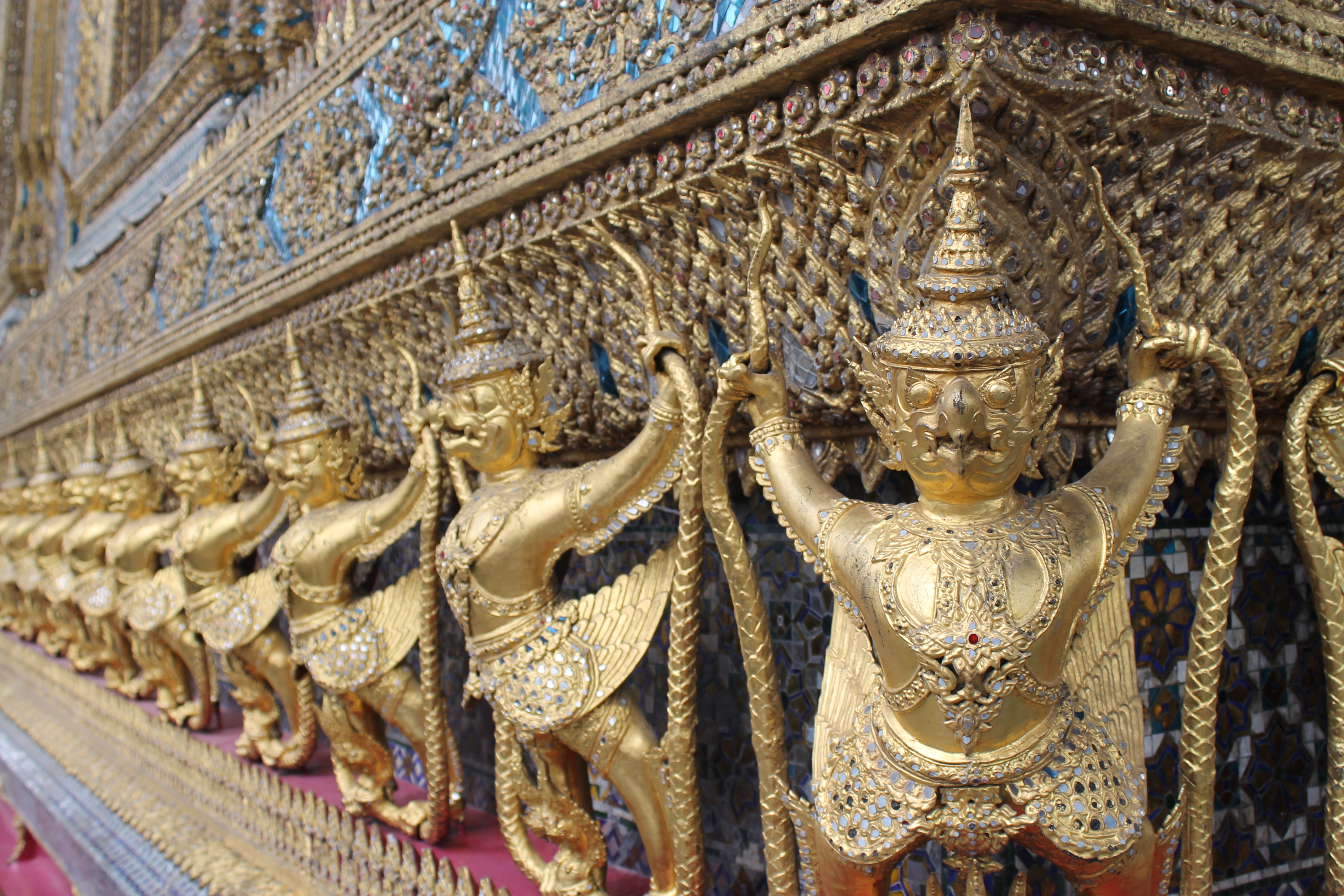
4. Take a boat down the river to the Wat Pho Temple complex

Where? Maharat Road, near the river. Take the Chao Phraya River Express to the Tha Thien Pier – it’ll cost under a dollar.
Why go? Because Bangkok is a crazy city, and this is the most beautiful little piece of paradise you could possibly hope to escape to 🙂
How long will you need? Half a day
Cost? Entry is THB 100 per person (around AUD$3.80)


5. Take a stop off at Chinatown on the boat ride back to the city

Where? Take the Chao Phraya River Express back towards the city and stop at the Ratchawong Pier. From there, walk up Ratchawong Road to Sampaeng Lane, and Yaowarat Road (Chinatown’s main street).
Why go? This is the ultimate antidote to the peace and tranquility in the temples. Chaos is an understatement, the shopping is heavy on tacky souvenirs, but the food is great and the atmosphere is insane in the best possible way!
How long will you need? Add another few hours to your half day at the Wat Pho Temple Complex
Cost? Depends on your shopping habits!

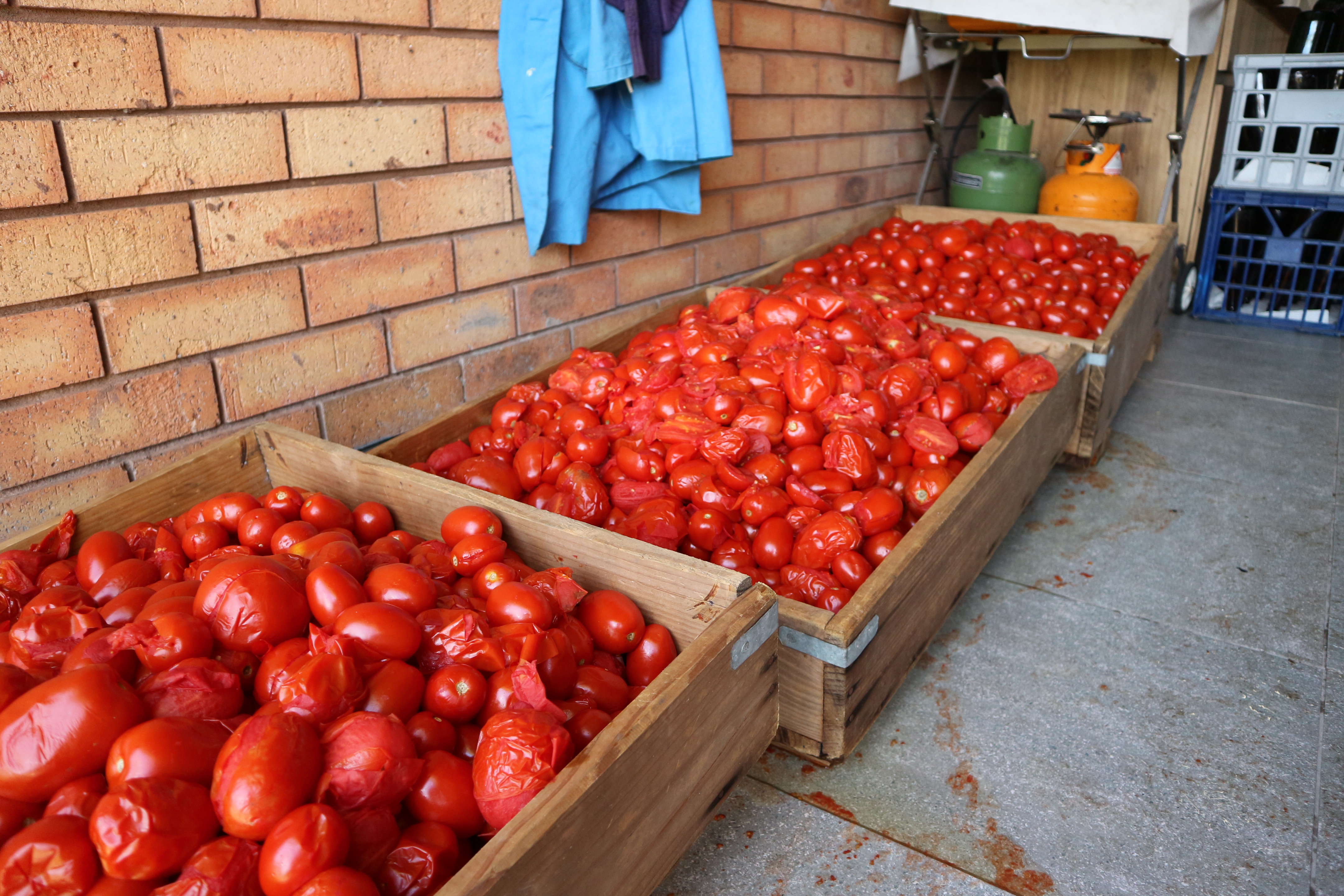
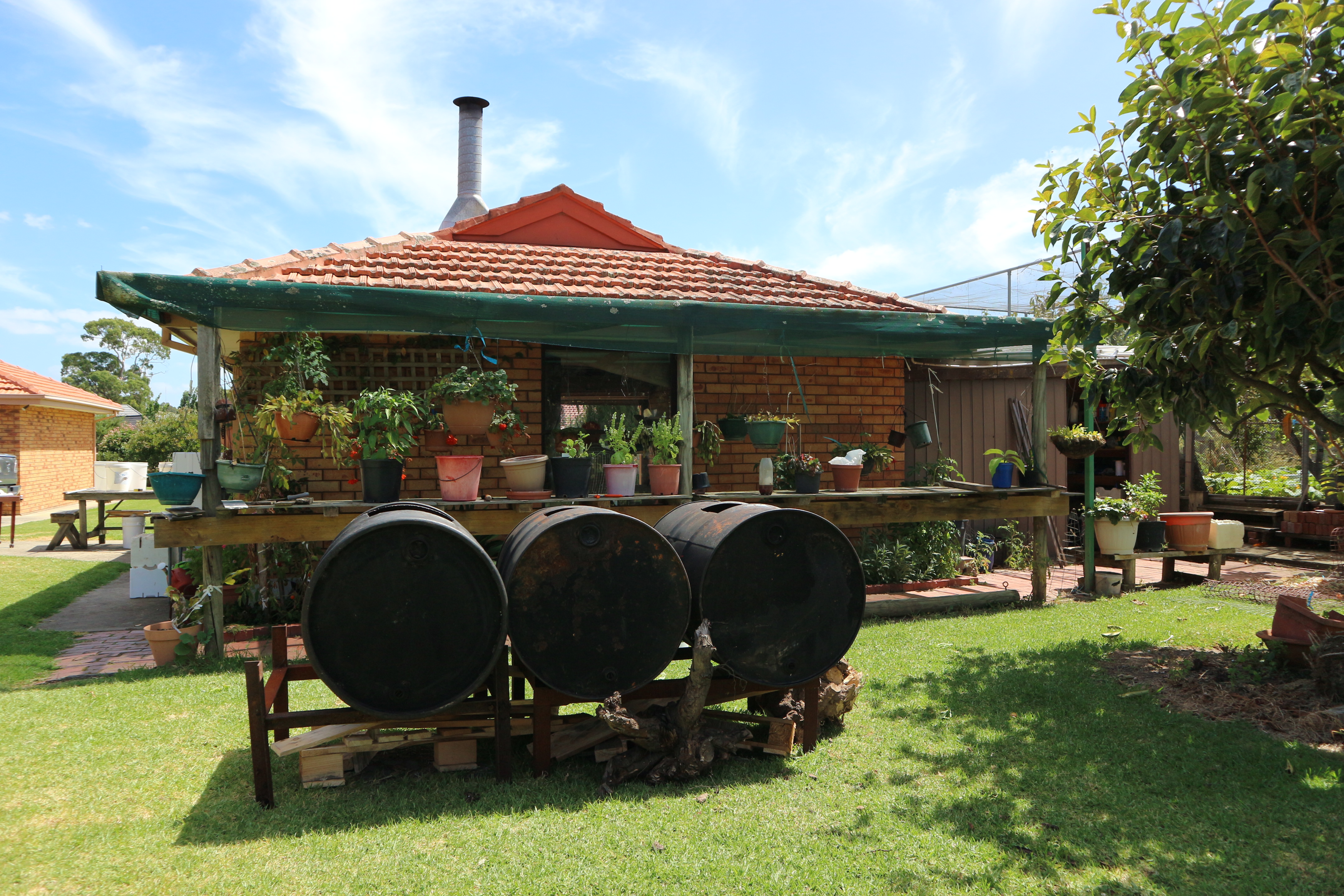
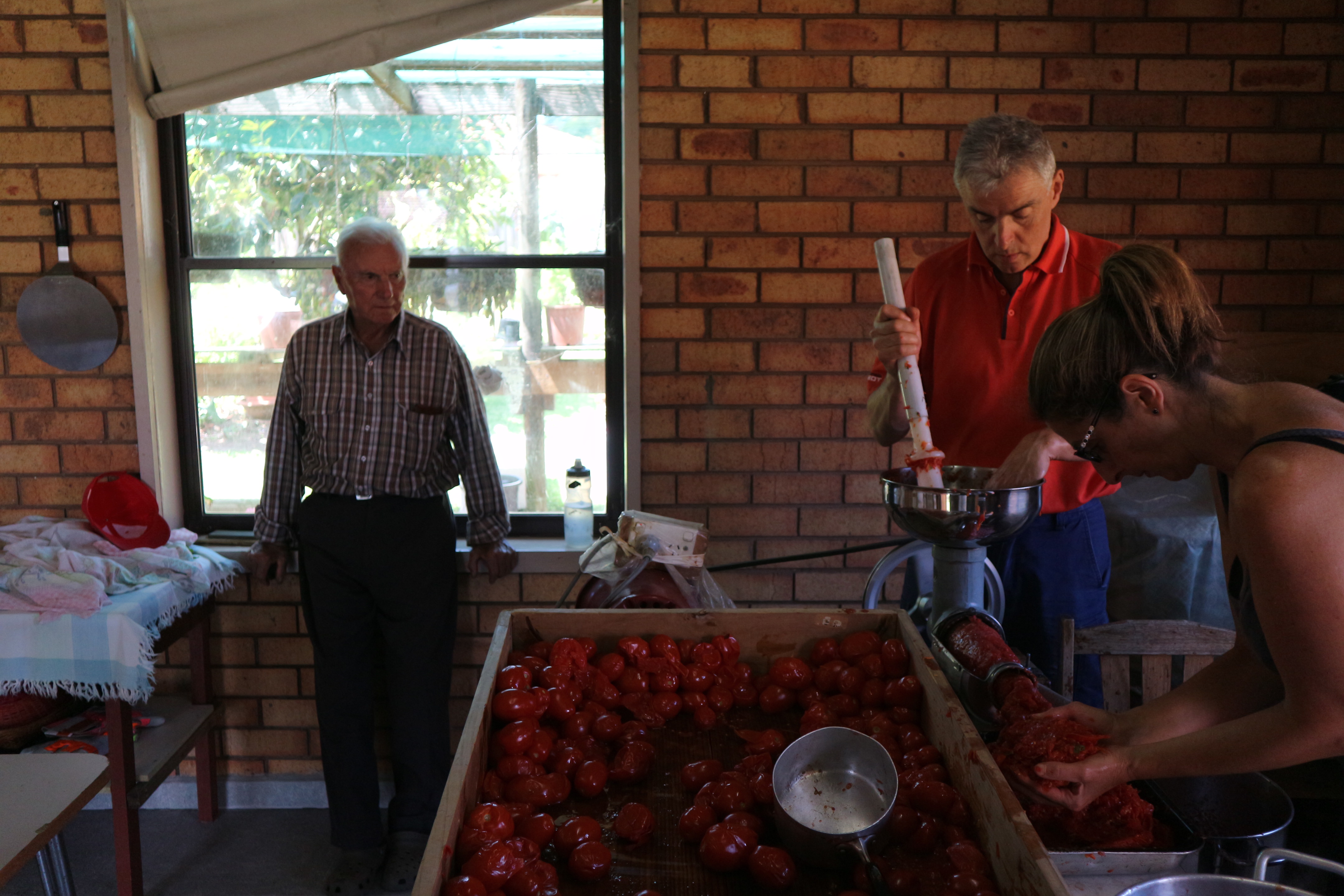
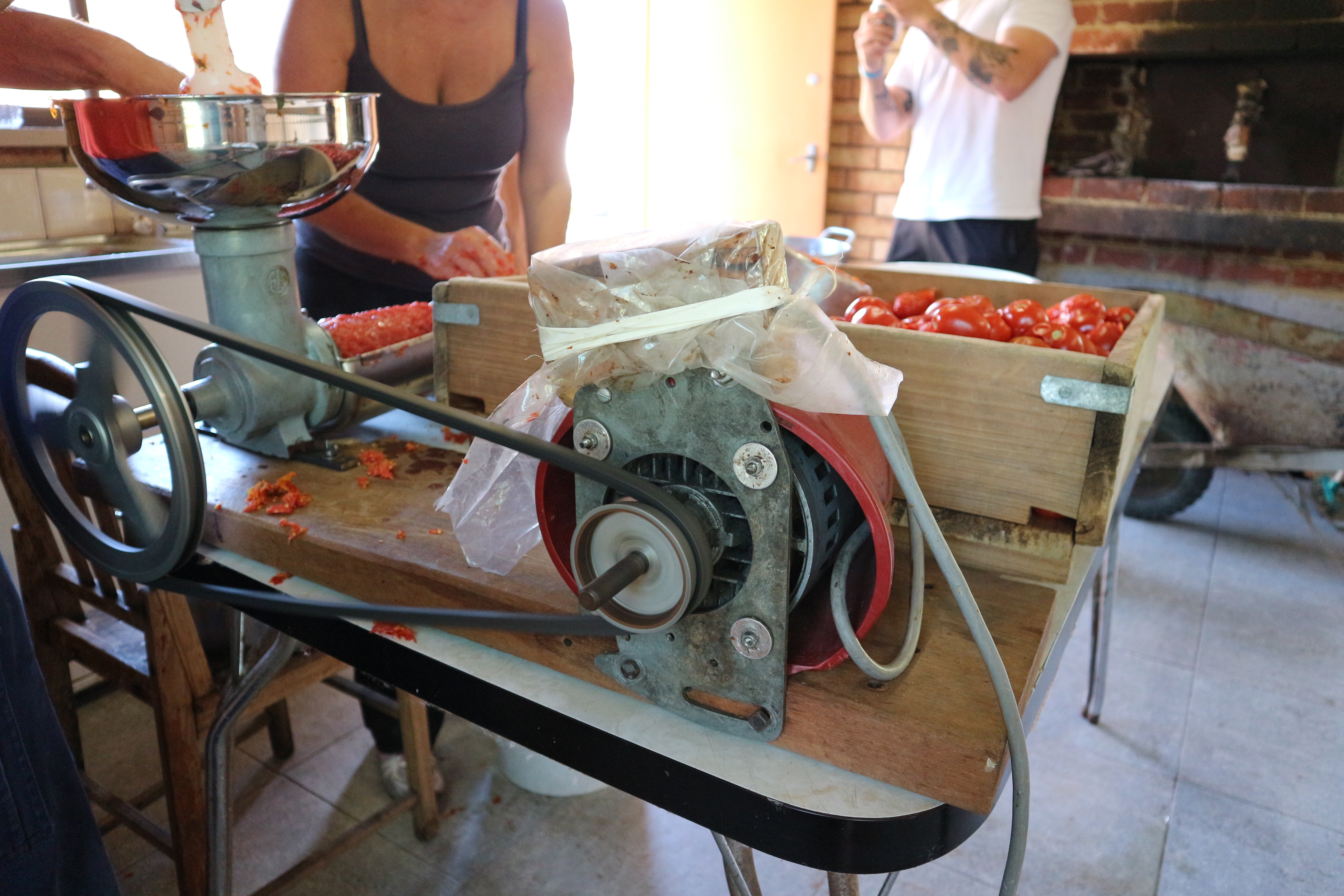
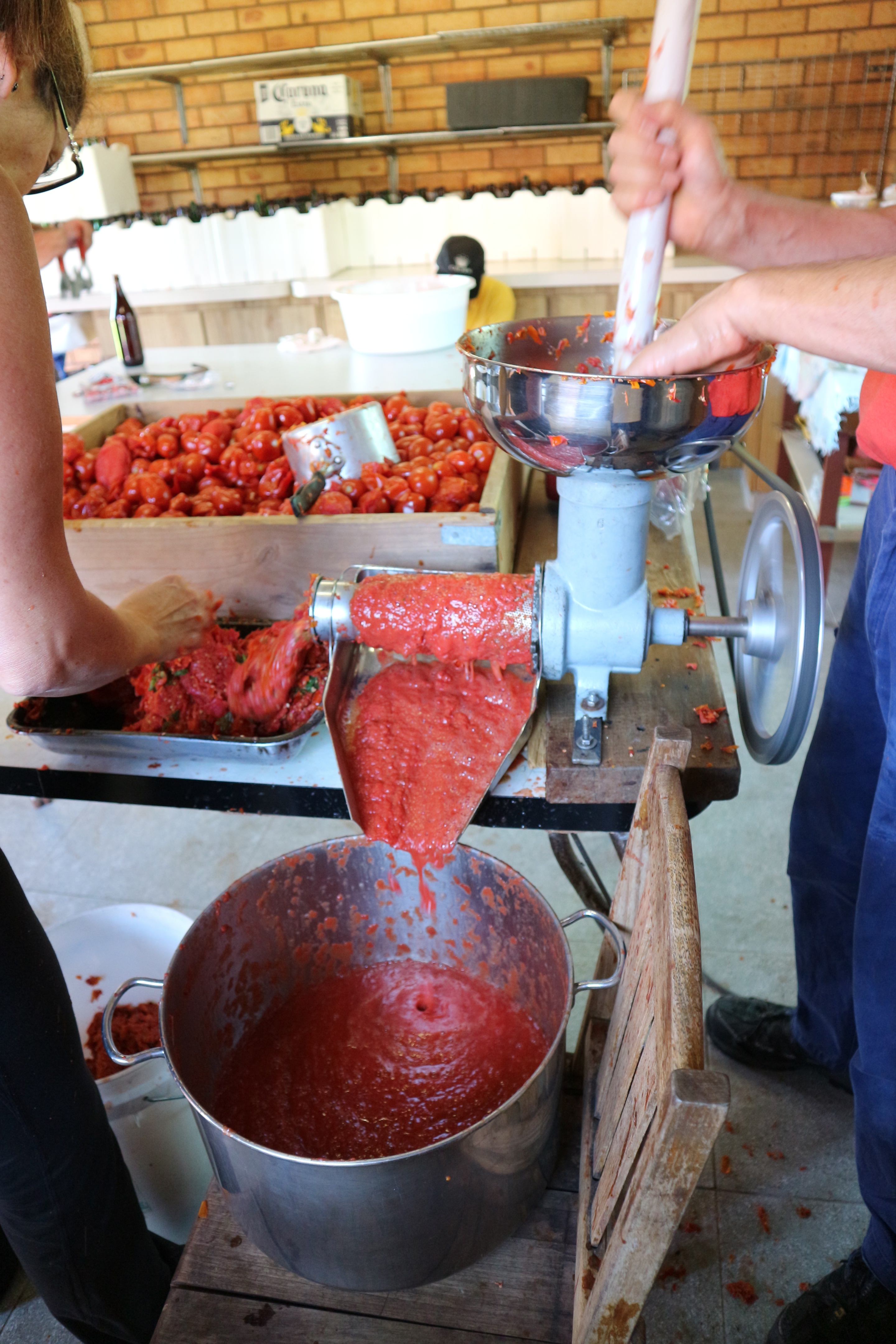
Photo Journal: An Italian family tradition – tomato sauce making day

img_7188

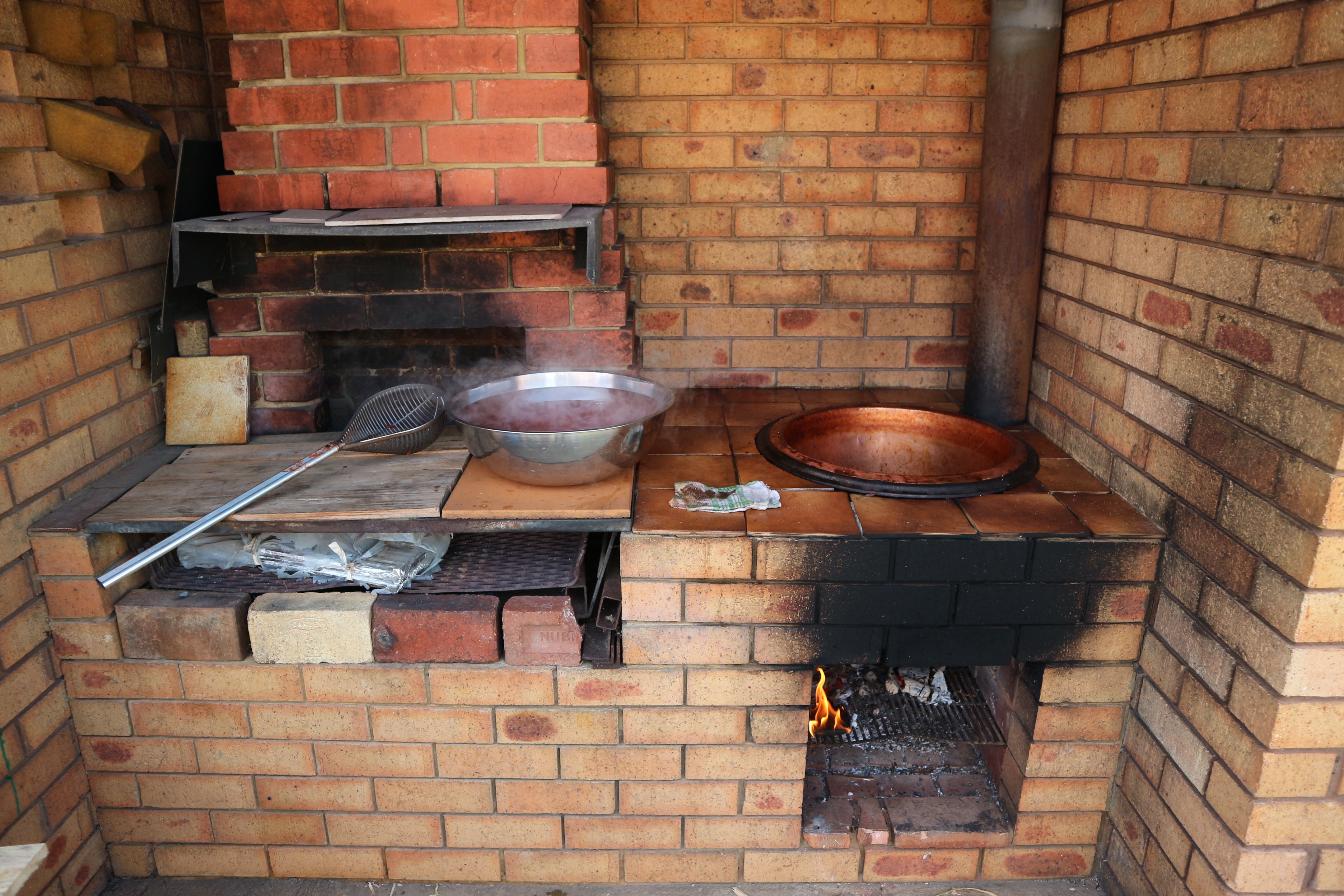
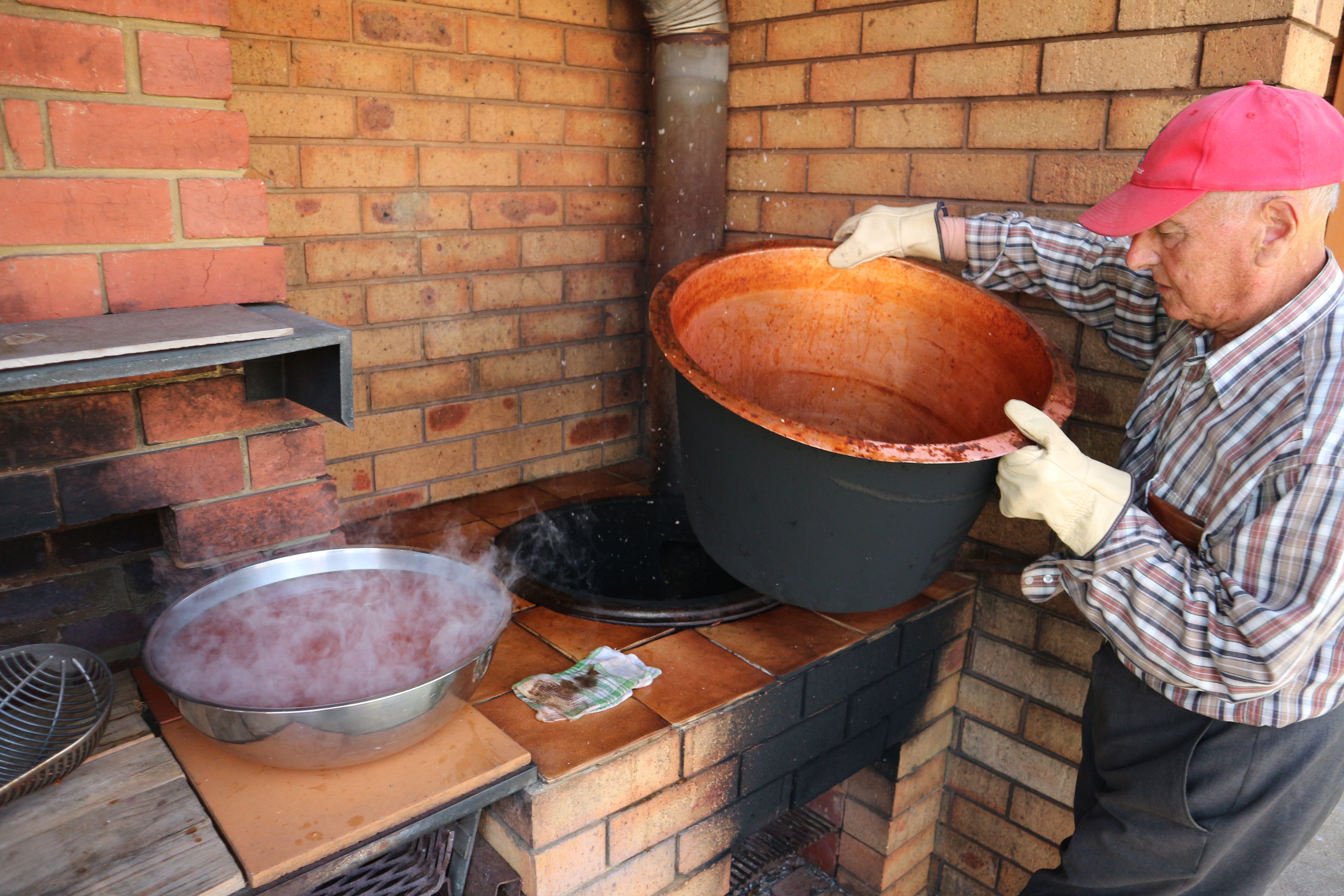
My father’s parents are salt-of-the-earth people. They are humble, kind, generous almost to a fault, and incredibly self-reliant, even as they grow older. Each year, my father’s parents pay tribute to the generations that came before them and honor their (my; our) Italian heritage by bringing in a truckload of tomatoes, and making and bottling their own tomato pasta sauce. It’s an age-old tradition still followed by many Italians, all over the world; even when we immigrate to new lands, we don’t leave our traditions behind. They make hundreds of bottles from thousands of tomatoes, with the help of my dad and auntie, and often a few friends and other relatives. They work under the eagle eyes of my grandparents, and while everyone has a good time, the sense of duty and respect is palpable.


Recording memories, through blogging, photographing and journaling, has always been incredibly important to me, and as my grandfather closes in on 90 years old, the realization that this beautiful tradition won’t go on forever under his watchful eye has really hit home. I initially took my camera along this year, with the intent of capturing as many wonderful memories as I could, both for myself and the generations of my family to come. Then, I realized a far greater thing would be to share these precious memories with others.

img_7195

img_7197

img_7200

img_7206

img_7212

img_7245

img_7249

img_7253

img_7260

img_7261