Photo Journal: The Yellow City of Hoi An

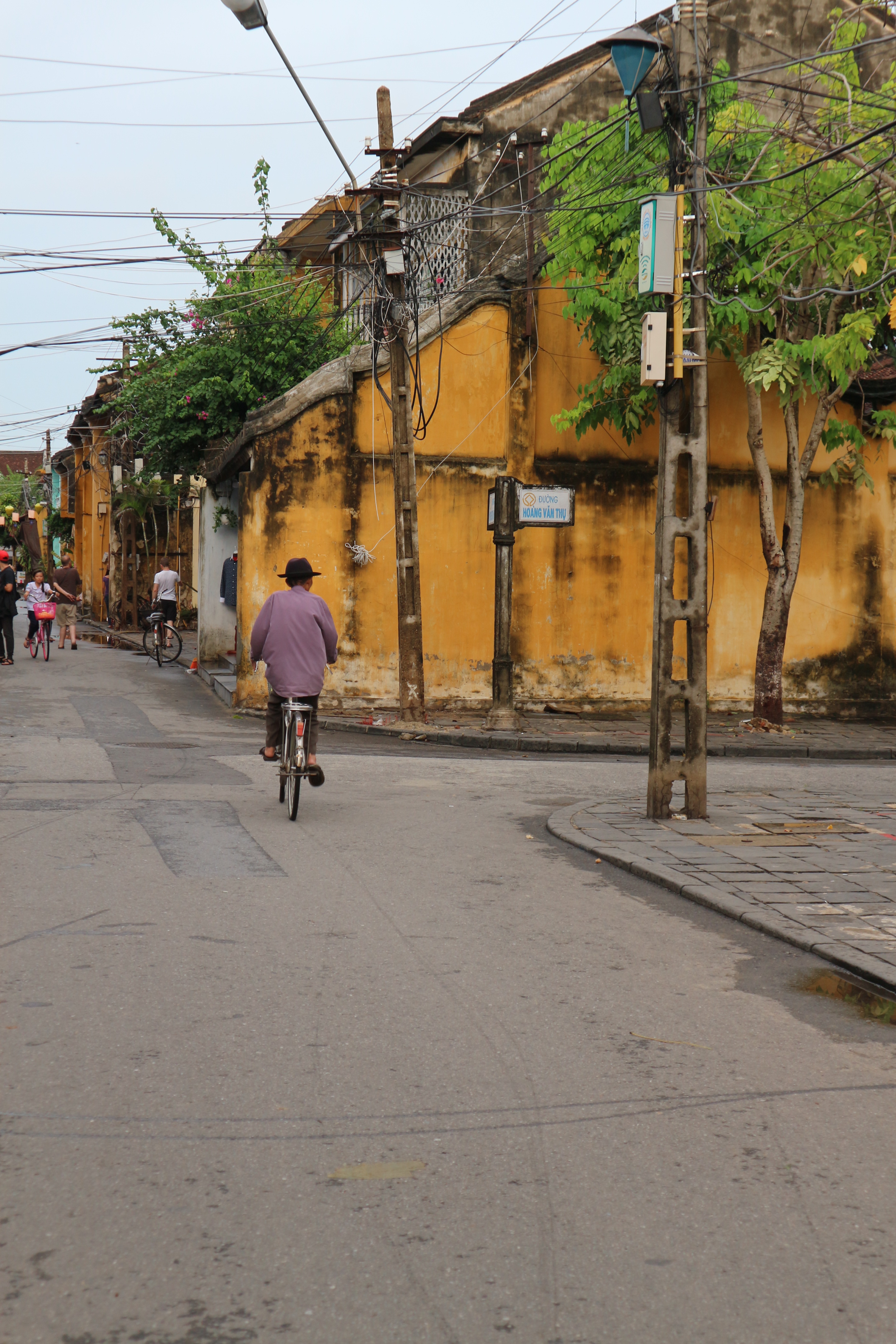
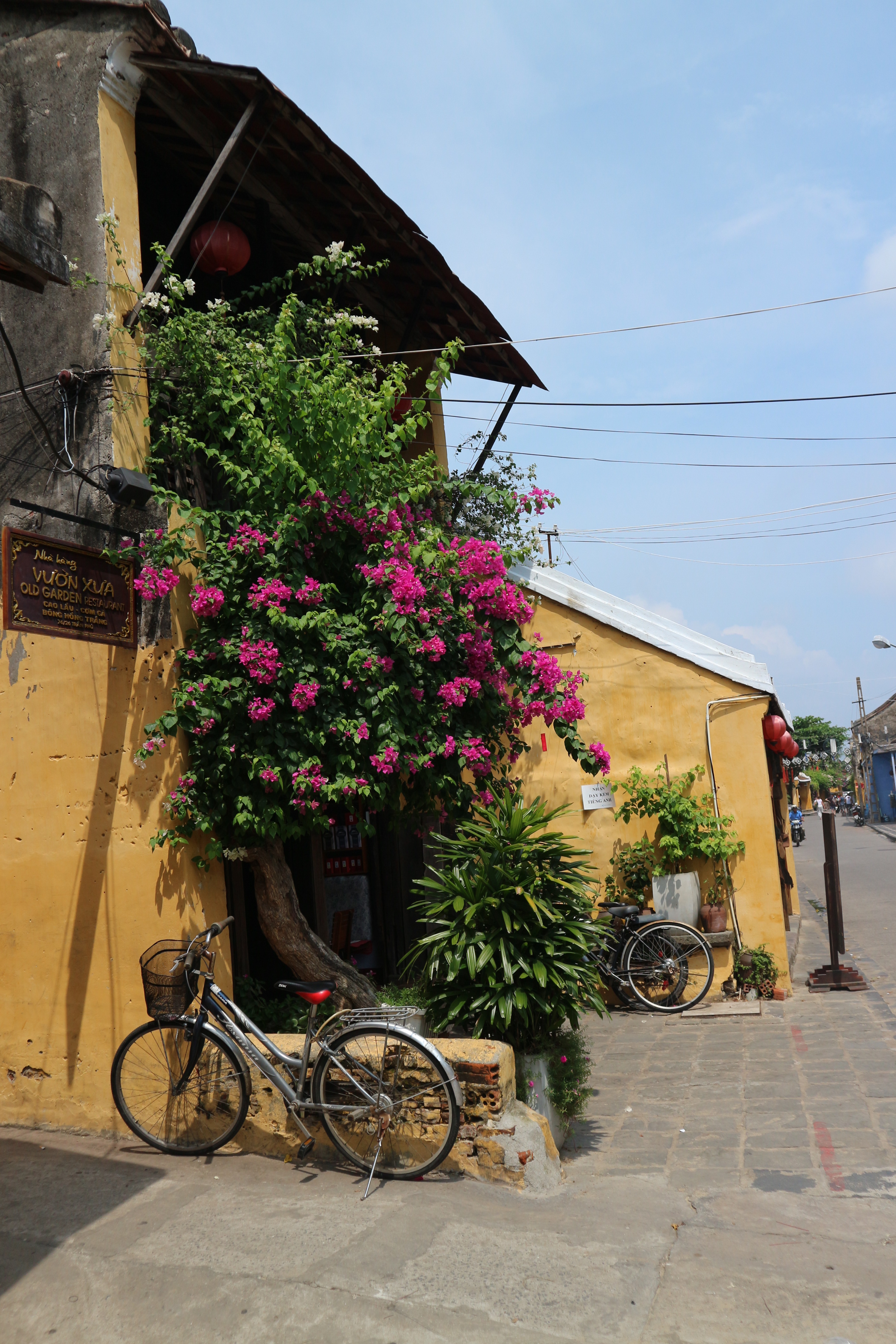
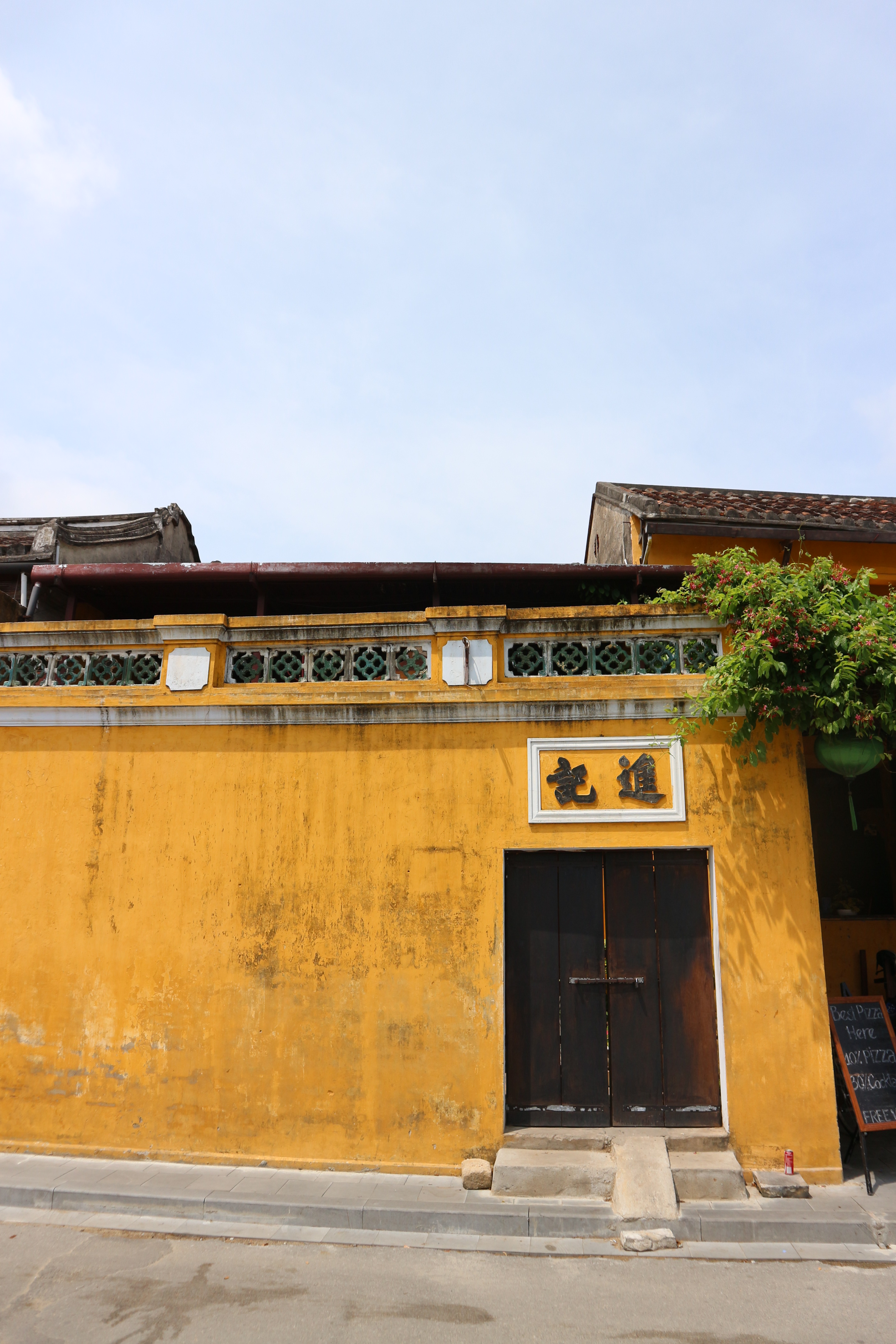
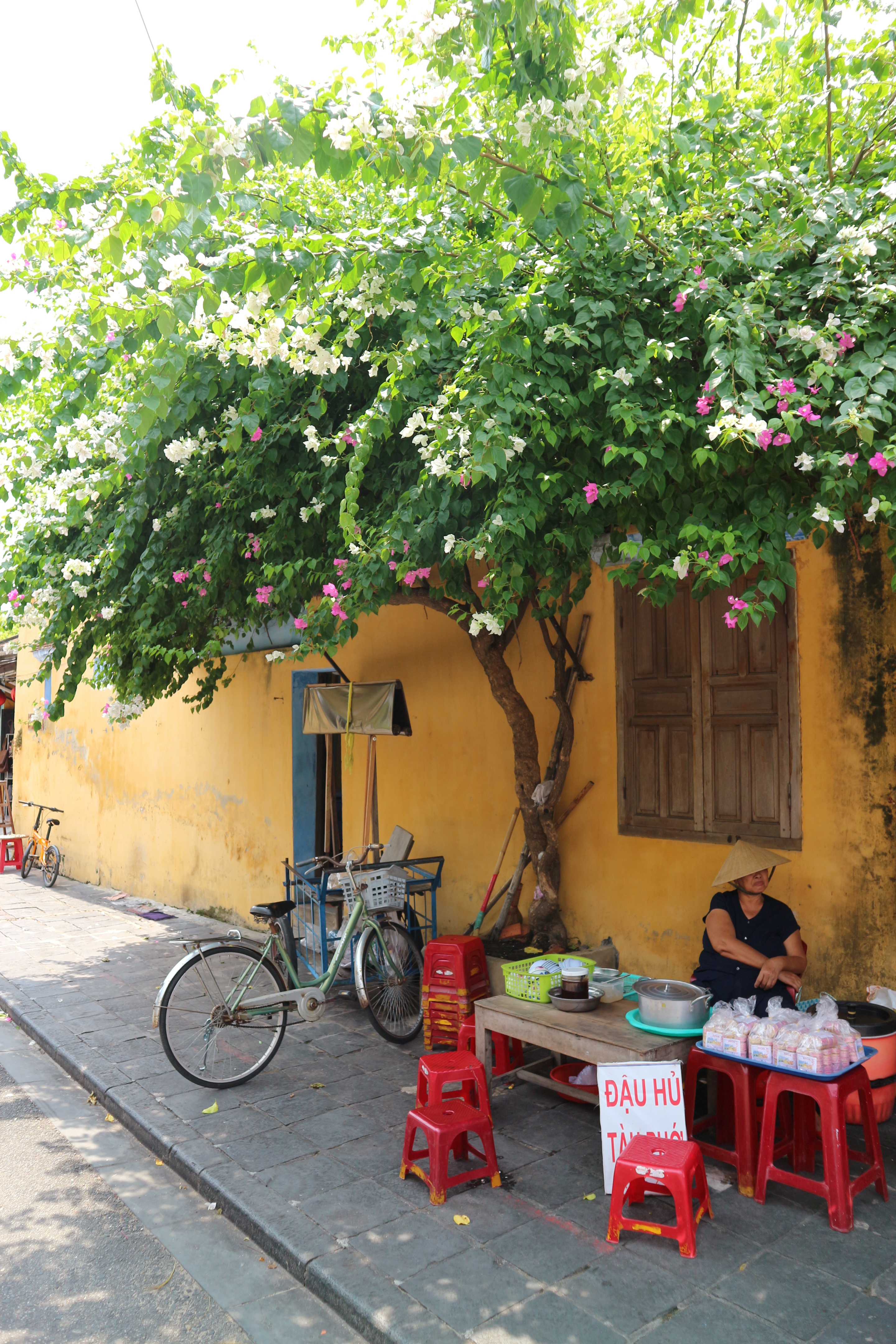
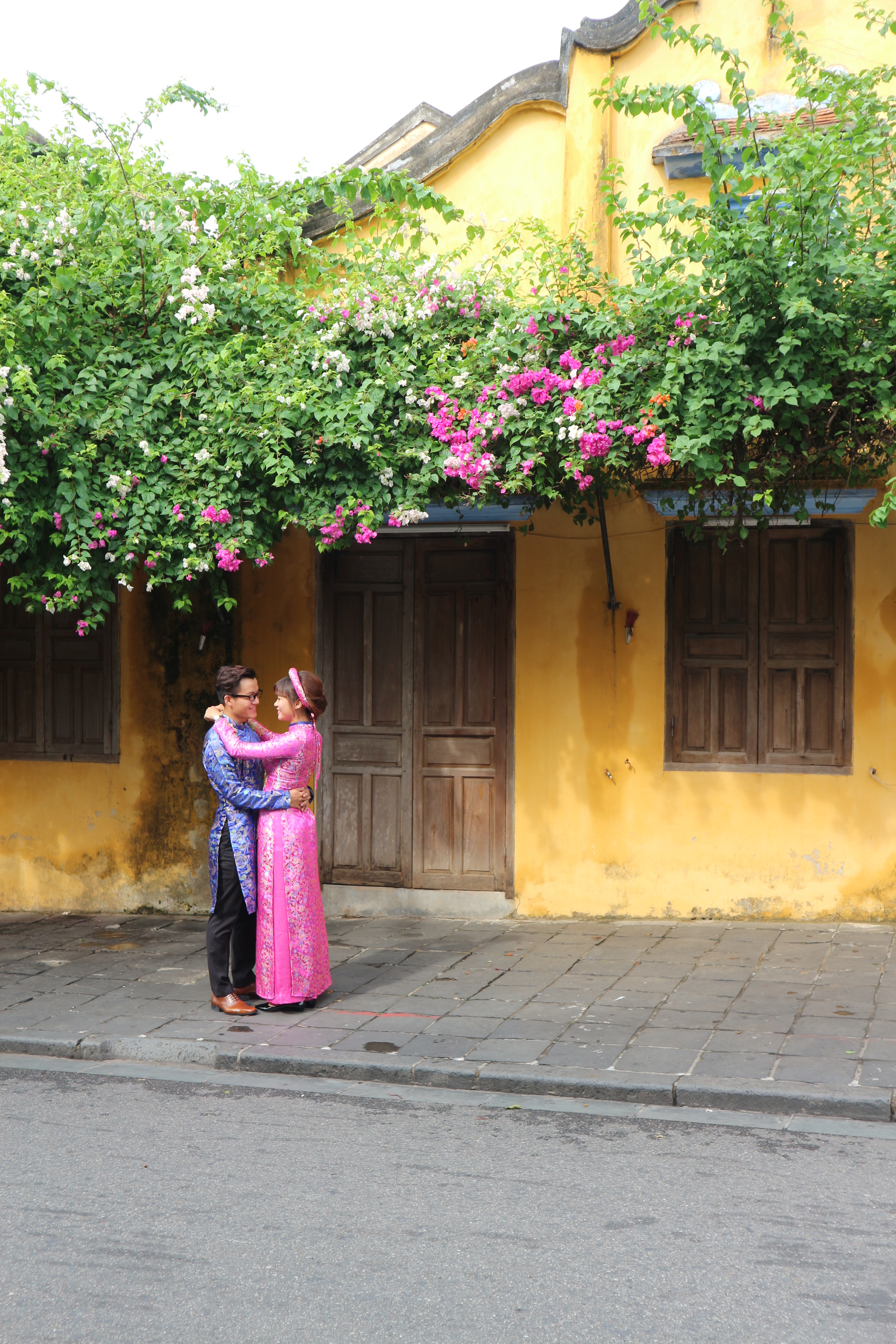
I read an article on Singapore Airline’s inflight magazine, SilverKris on our way to Vietnam; it featured some stunning photos by a photographer whose name I can’t now recall of Hoi An. He decided to base his photo series on the beautiful yellow shades of the city, which you can’t believe the brilliance of if you’ve never seen them.

img_6747

I may not be a professional photographer, but I know beauty when I see it, and did my best to capture the golden city through my own eyes…

img_6862

img_6666

img_6858

img_6657

img_6635

img_6613

img_0046

img_6857

img_6679

5 Ways To Make The Most Of That Layover in Kuala Lumpur

2.1** Disclaimer: This post was sponsored by Traveloka, however all opinions contained herein are based on my own experience.


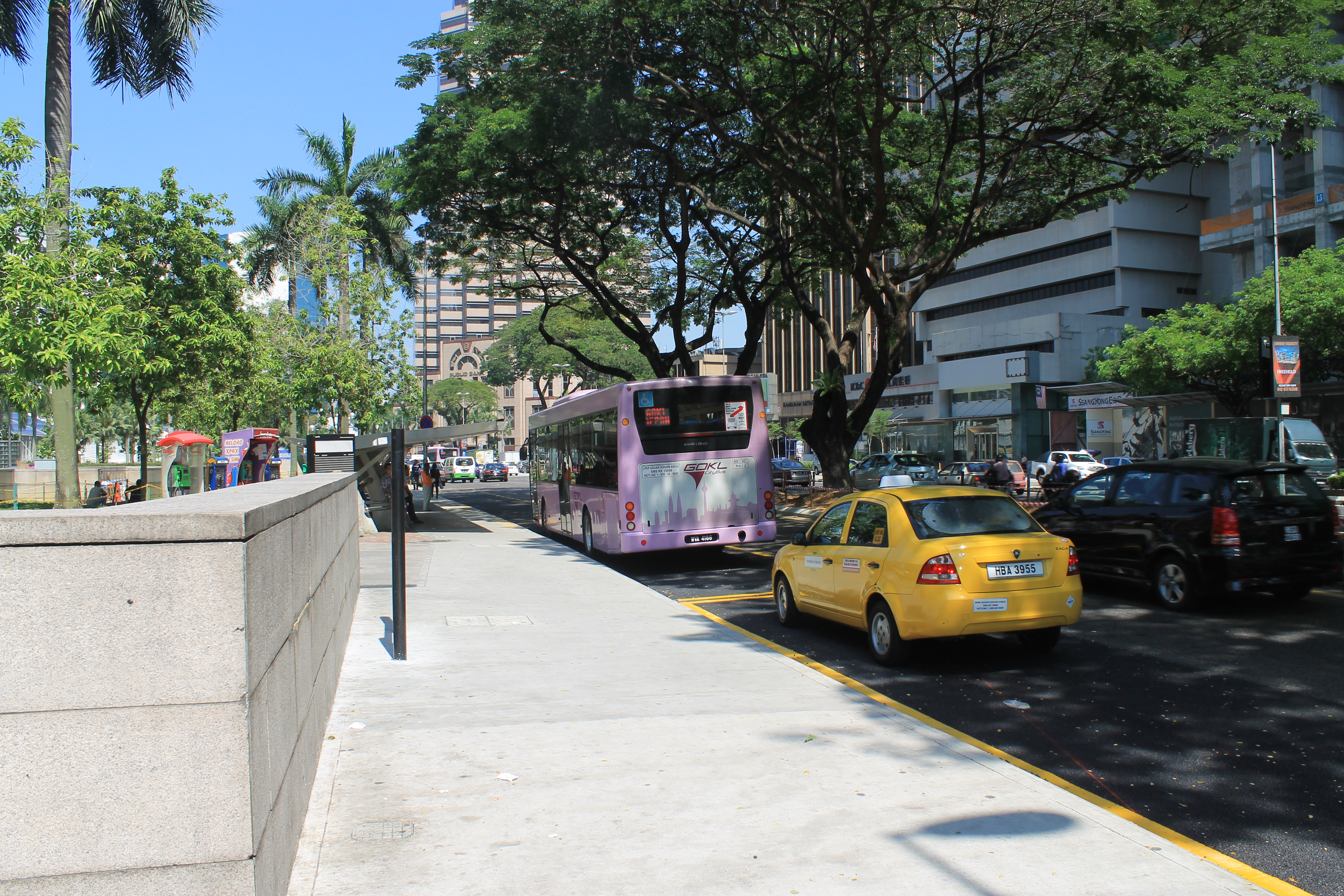
If you live in Australia and love to travel, chances are you’ve had at least one long layover in Kuala Lumpur. It’s one of the bigger gateway cities for us Aussies on our way out to the rest of the world, and when you’re travelling on a tight budget, you can often find yourself with a few hours to kill before your connecting flight on to the rest of Asia or Europe.

When we travelled to Europe several years ago, we had the option of saving a few hundred dollars on our flights, with the compromise being a 14 hour layover in Kuala Lumpur. We were already going to be ticking 5 countries over 2 continents off our list, so we figured it would be a great opportunity to see a bit of the city and add another continent to our itinerary. When we told people we planned to do this, they all told us we were crazy; the standard response is to complain about the long mandatory waits, and here we were ready to take advantage of it instead. With a bit of pre-trip organisation, it’s actually not that hard to do – here are a few tips that helped us enjoy the layover…


1. Book a hotel for the day
If you’ve saved significant money on your flights, the small amount of money you’ll spend by booking a hotel for the day will be more than worth it. If, like us, you’re arriving into the city around 7am and leaving after dark, having a hotel room is a godsend; you’ll have somewhere secure to store your luggage, and be able to have a shower and get changed into fresh clothes after a day out before your next flight. You can book a room in Kuala Lumpur online with Traveloka with hotels a stone’s throw from the airport from as little as AUD$20.00 for a day – that’ll save the stress of finding something when you land.


2. Check the booking options
Some hotels cater specifically for layover guests, like the Plaza Premium Lounge KLIA 2; they have options for stays as short as 4 hours from AUD$65.00, as well as 6 hours, 10 hour and overnight bookings. If you’re only stopping over for a few hours, you may find that you can get a better rate on a 6 hour booking rather than an overnight booking.

OLYMPUS DIGITAL CAMERA

3. Check out the hotel facilities
Because the more that’s included, the easier the layover will be. A lot of hotels will offer things like airport transfers, wifi, luggage storage and 24 hour reception, and they make the world of difference when you only have a short amount of time to work with. Most hotels also have multi-lingual staff who are happy to help out, so it’s worth speaking to team on the check in desk to see if there’s anything going on in the city that may cause extra delays in getting back in time for your next flight.


4. Public transport is your friend
It’s quick, clean, efficient, and definitely the easiest way to get around. The Kuala Lumpur International Airport (KLIA) website offers some good information on how to get around using the Express Rail Link, which connects the airport to the main city centre in under half an hour. Much easier than car hire or taxis.


5. Be realistic
You’re only there few a few hours, so be realistic about what you’ll be able to see and do. The best bet is to pick out a couple of things close to each other, so you can enjoy a bit of time in the one area without having to rush too much. We decided to head to the Petronas Twin Towers and spent a bit of time wondering around the air conditioned shops below the towers at the Suria KLCC complex. We also took a walk around the streets nearby and relaxed with an ice cream by Symphony Lake before heading back to our hotel for a cold shower.

Observations of Tokyo oddities

As much as I LOVE being on the road and living out of a suitcase and being in completely foreign situations and places, I’m always grateful to return to Melbourne. I’m thankful that I’m in a position (particularly as a female, because there are still a lot of oppressed women out there in other countries and cultures) that I can work hard enough to be able to travel as much as I do, and I don’t take that for granted. 
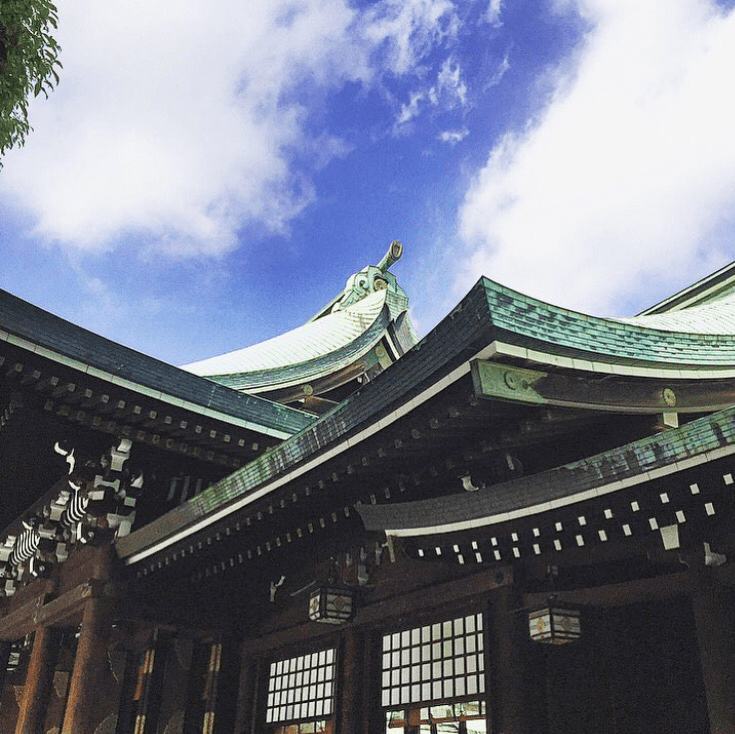
As a single female traveller, Tokyo was the perfect place. It was easy enough to navigate, people are friendly and helpful to unbelievable standards, and it is the safest city (including Melbourne) that I’ve ever been in.

Accommodation aside, it was also a lot cheaper than I expected – I went away with around AUD$1000 worth of spending money for 9 days, and spent only just over half of it.
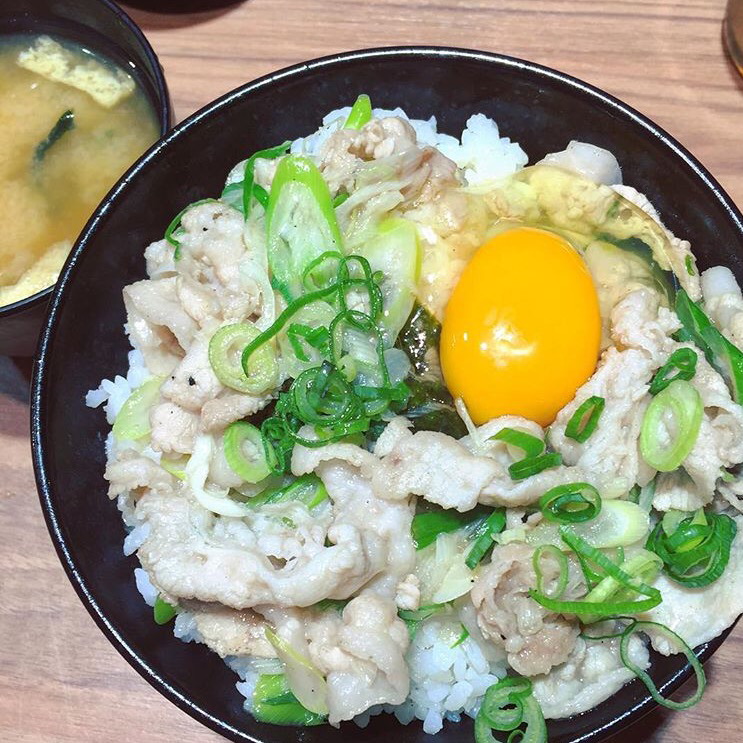
One of the best things about travel is how much it opens your eyes to things that aren’t your norm, and while Tokyo was a very modern city, there were a few curiosities and oddities I noticed…

– Early morning cafe breakfasts and brunches aren’t a thing.

– Most stores don’t open until around 11am, but they stay open later into the night, around 8pm (as opposed to Melbourne’s general 9am – 5pm hours).

– There’s a system and procedure for everything, everyone knows them, and everyone obeys them.

– ATMs for international cards pretty much only work in 7/11.

– Cuteness is EVERYWHERE!!

– That said, they are truly elegant ladies and dapper gentlemen in Tokyo – heels, pearls and full suits are standard.

– Public transport is quiet time. No talking to the person next to you, no talking on the phone, no eating.

– Litter doesn’t exist. Anywhere. People are literally employed to sweep the streets and walk them with giant tongs to remove rubbish.
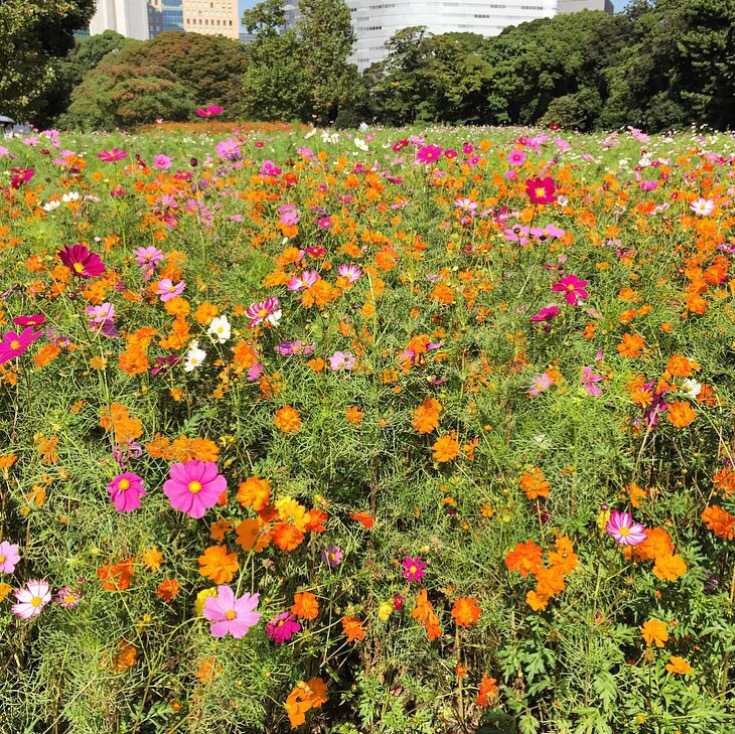
– There are designated smoking spots outside, and people actually stick to them. There are “no smoking on the street” signs and they are strictly adhered to without the need for enforcement.

– People line up for EVERYTHING. Especially food. And locals really don’t seem to mind waiting over an hour in (a very orderly) line for their favourite eatery… Incredible!

– One of the things that surprised me the most was the amount of people who refused to use tissues! I find the sniffing thing pretty disgusting (I don’t understand why anyone would want to sniff the snot back up their noses and down their throats rather that just blow it out into a tissue), and was really surprised at the amount of people who would rather just sniff incessantly and occasionally use sleeves to wipe snot on rather than just blow their noses…?!

– While a lot of the older buildings are in the grey/beige/brown 70s styles, the modern architecture is impressive.
I also learnt a bit about myself…

– My organizational skills are one of my biggest assests and truly help me see and do more than a lot of other travellers.

Can read a map like a boss.

– Observing and writing and recording has always been (and will always be) what I love to do most.

– Anxiety attacks followed me but depression didn’t.

– Slowing down, taking time to breathe, and just stepping away mentally for a few minutes helped the anxiety attacks.

– I’m happiest when I’m in new places surrounded by strangers speaking in foreign tongues, where I can just slip into the background and explore and observe at my own pace.

– Knowing how to say “excuse me” and “thank you” in the local language is indispensable.

– I think I’m actually a bit smarter, stronger, braver and more resilient than I’ve given myself credit for..


Photo Journal: The streets of Saigon

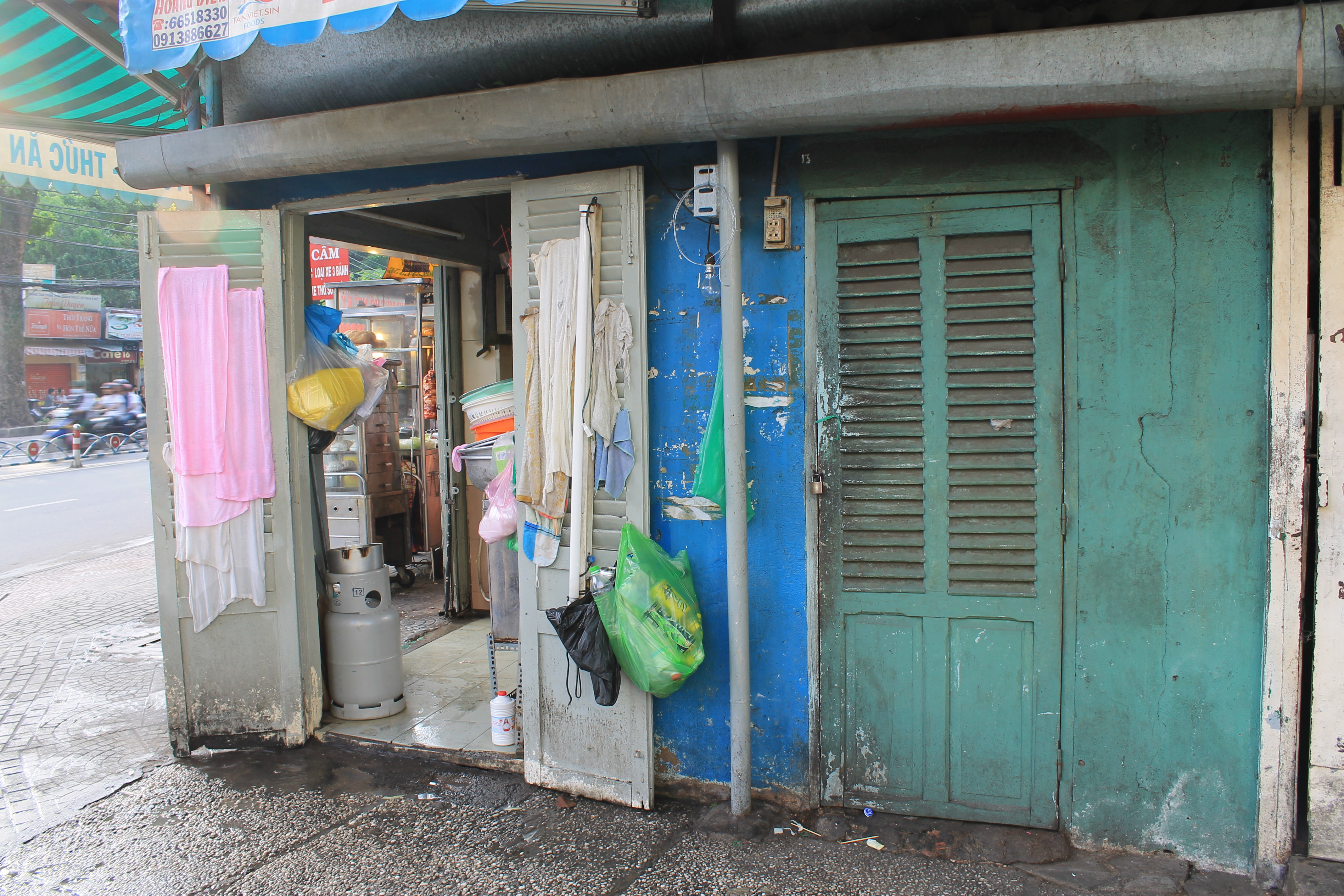
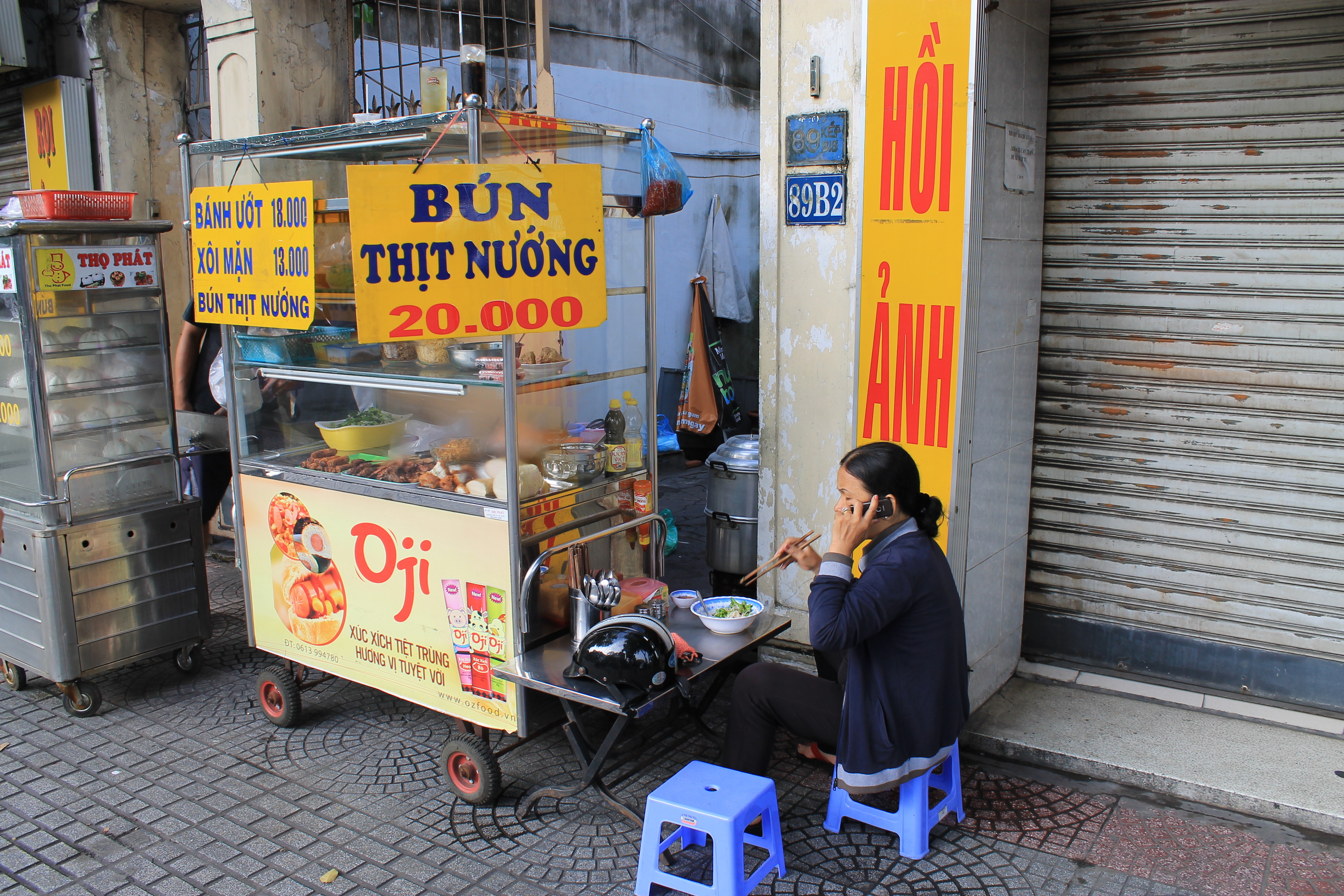
I found Saigon (Ho Chi Minh City) to be a fascinating city when I first visited in 2014, and really wish I’d had more time there. It was very busy, the traffic was insane and every time we went to cross the road felt like we were tempting fate just a little more. I felt like the people of the city would have really had some stories to tell, if I’d only had the time (and an interpreter) to listen.

IMG_4881

IMG_4885

IMG_4870 IMG_4880   IMG_4886

Photo Journal: Street food women of Thailand

IMG_4459


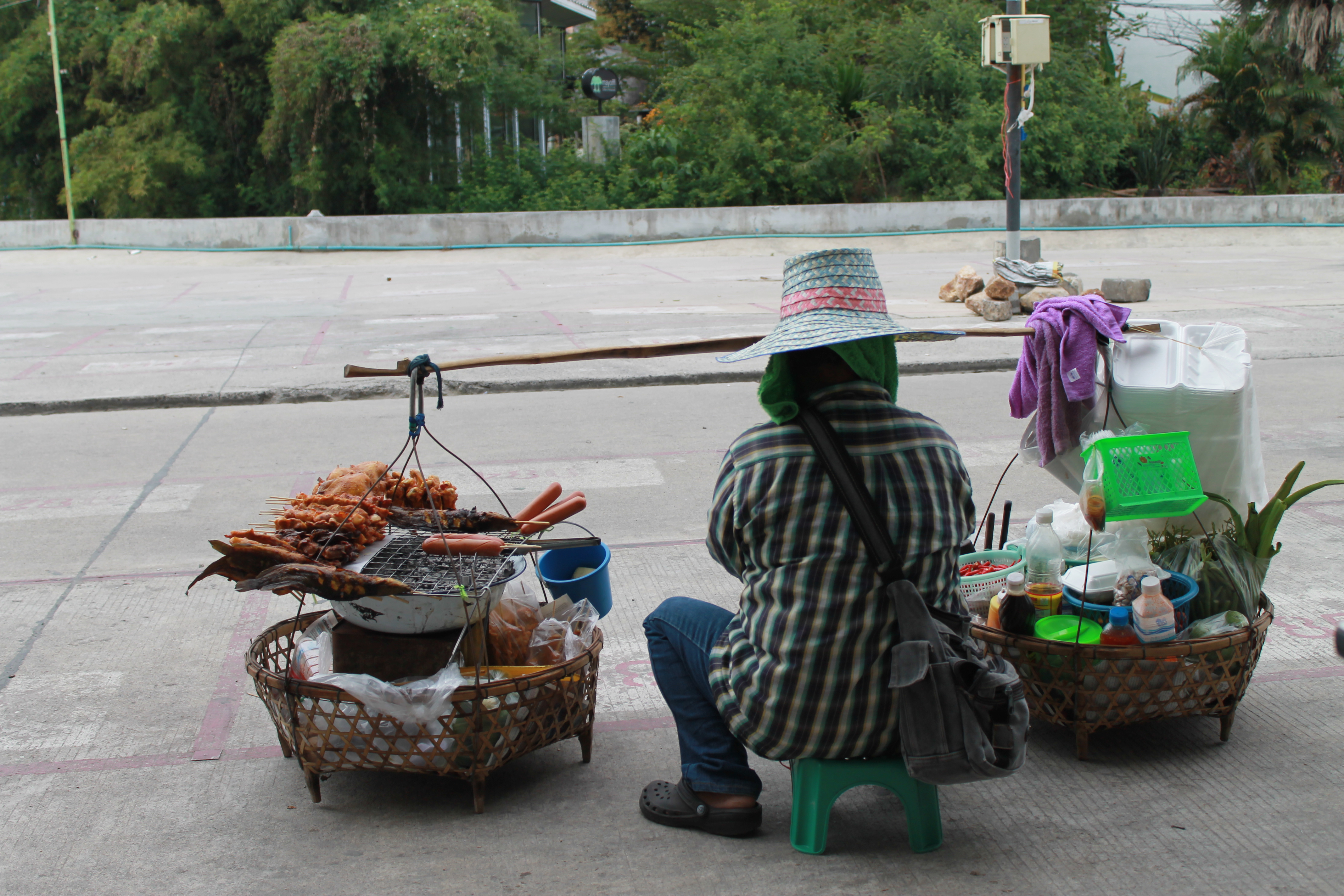
In Thailand, as in a lot of South East Asian countries, it seems to be the women who shoulder a good portion of the work. You see them up early, trawling through markets, heaving baskets full of fresh fruit, often with a child or two in tow. They are the ones who sell the market goods, who purchase them, who cook them and then sell them. They’re the ones who run the show, they are strong, often silent, with wiry strong bodies and faces that tell of a tougher life than I could ever imagine.

This woman really caught my attention in Koh Samui. Husband and I had been walking around way off the main drag all morning, and sat down at a street food vendor for a lunch of pad thai, when this lady ambled up, baskets teetering on her small shoulder, and parked herself on a tiny plastic stool. To our complete amazement, she had somehow set up her portable kitchen, complete with meat grilling over charcoal and condiments, in the middle of the street in under 30 seconds.