10 ways to travel without breaking the bank (part 2) – saving money while you’re actually on the road!

* Disclosure: This post was sponsored by Cover-More. The opinions contained herein are completely my own based on my extensive and independent experience with the company, of which they were unaware when I was approached to write this. *

jc

A few months ago I wrote an article for Globelle Travels on how to take your dream trip without breaking the bank, which looked at the things you can do in the months leading up to your trip to travel on a budget without having to compromise too much. But I didn’t really touch on what happens when you’re actually there, when you’ve paid off the flights and accommodation, and bought your snow jackets and guide books, and you’ve actually arrived at your destination, still on a bit of a budget. It’s time to take a look at that part.

As stated above, yes this is a sponsored post, and if you’ve been following my adventures for a while, you’ll notice these posts are few and far between; I won’t ever write about anything I don’t actually believe in just for compensation. But I was really happy to take this opportunity when it came along because Cover-More is a company that I’ve actually had a lot of first-hand experience with, and it’s all honestly been great! So on that note, let me now run you through 10 golden rules I try to stick with while I’m actually on the road in order to see and do it all without having to re-mortgage the house in the process…

1. Travel insurance – duh! And not just because of the Cover-More collaboration! For those of you who have been travelling for a little while, you know that sometimes, no matter how prepared you are, things just go wrong. Like that time I was meant to fly from San Francisco to Las Vegas and the airline cancelled our flight two hours before we were meant to fly, and we had to find a new flight, extra accommodation in SFO, lose a night of accommodation in Vegas, organise new airport transfers, and we missed our helicopter Grand Canyon tour (our one big spending extravagance as our Christmas present to ourselves). Anyway, because I like to prepare for the worst, insurance had been purchased with Cover-More at the time we booked our flights so we just submitted our claim when we got home, money was recovered for us and put towards our next trip! Number one rule for travelling on a budget: INSURANCE!!! It would have been really hard for us to keep travelling on the cheap if we’d completely lost all of that money! And why Cover-More? For us, we keep choosing them because they’ve been around for so long and have established a pretty good reputation for offering good cover for a great price – we didn’t want to lose out on decent coverage because of cost, and keep finding that Cover-More fits that option for us.


2. Extra accommodation expenses – not the accommodation itself, the extras. Buy a small travel clothes line and a big bar of laundry soap so you can wash your clothes in your sink or bathtub and hang them up to dry while you’re out during the day. Instead of consuming from the mini bar, buy your own drinks and snacks from a supermarket. And if the WiFi isn’t free, wait until you’re at a café that does offer free access and use that instead.


3. Staying in touch – I’ve disabled international roaming on my phone and I turn off cellular data when I travel. When I want to contact someone, I connect to free WiFi and call using WhatsApp, or text using iMessage. Taking advantage of free WiFi to contact home while I’m gone means I don’t have a phone bill to come home to – happy days!


4. Breakfast – if it’s not included in your hotel room rate, don’t pay extra for it! Breakfast is such an overpriced meal, with cafes easily charging $10+ for a simple bowl of muesli with yoghurt. What I tend to do when I’m travelling is visit a supermarket/convenience store and buy a box of muesli or cereal, a bit of fruit, and some milk or yoghurt to take back to my hotel; it makes a lot more sense to spend $10 on a box of cereal and some fruit that you can stretch out over 4 or 5 days than spending the same amount every morning for the same thing!


5. Hot drinks – this may not be as applicable to everyone, but for anyone like me who is a big tea or even coffee drinker, one of the best investments I made was my KeepCup! Instead of paying $4 each time we wanted a hot drink while we were travelling around wintery America over December and January, husband and I just made our own in our hotel rooms (we found that most, if not all accommodation will offer tea and coffee making facilities, I also packed a few tea bags just in case, and we used some of that milk we’d bought for breakfasts) and hit the road! Saved a ton of money!


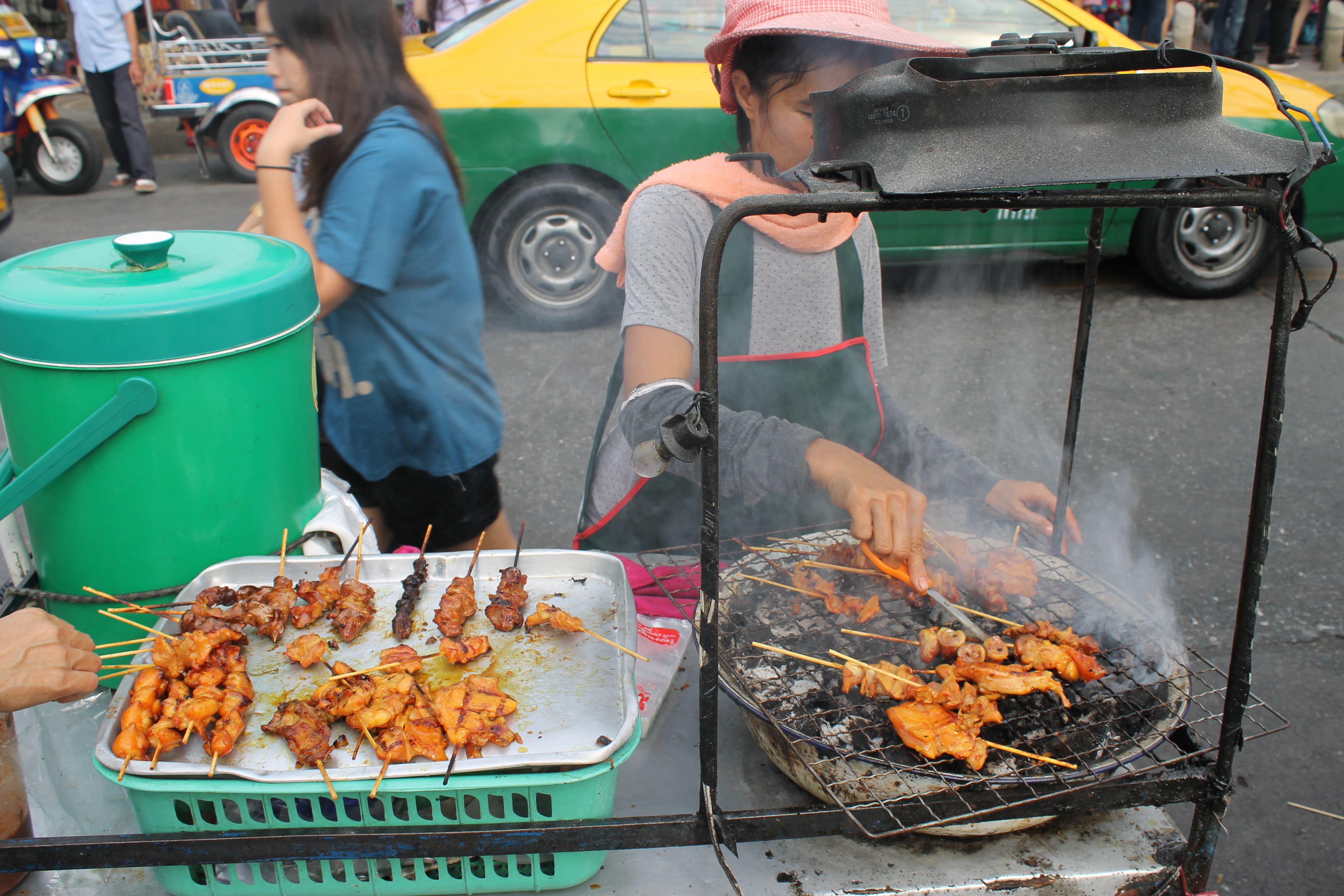
6. Food – so important… I’ve always found that the best food is generally street or market food to be honest! When you have the option to do the street food thing, you’re not only going to save money, but you’re also going to be most likely eating freshly prepared food (high product turnover with lots of locals eating it, too), authentic food (ie not Westernised and served with French fries), and actually experience the place you’re travelling through properly! Nice restaurants certainly have their place, but don’t get caught up thinking that you can’t have just as nice a time in Paris lunching under the Eiffel Tower with a ham and cheese baguette that you’ve made yourself from grocery store ingredients for a quarter of the price of the ones you saw in the café window!IMG_0666
 

7. Cash – this one can seem tricky but doesn’t have to be. If you plan on using your card to withdraw money from ATMs overseas, try to take out bigger amounts at a time to avoid multiple fees (and don’t carry it all around with you – use your hotel’s safety deposit box, or keep it in several places). To combat the fees/carrying too much cash issue, I’ve got myself a Multicurrency Cash Passport, which I’ve been travelling with for years – it’s basically like a debit card that adapts to which ever country you’re in which means low, if any, withdrawal fees. Also super easy to top up while you’re on the road if you want to add more currency. Definitely worth checking out.


8. Getting around – generally taxis are a waste of money. If you have the option, use public transport instead, and if possible, walk!!! You will see SO much more of the city and make so many more amazing discoveries on your own two feet than from inside a train or car!


9. Travel blogs/social media – this is a bit of a random one, but following travel blogs and social media feeds/tags (Instagram particularly) of the places you’re visiting can give you some really great ideas; my sister and I discovered super cheap Bale Well in Hoi An from checking the hashtag #hoian on Instagram before heading out one night, and the $5 feast we got, as well as the adventure and new friends was something we’d never have experienced otherwise, nor was it an experience we could have gotten from an expensive restaurant dinner! You’ll also find that travel bloggers who stumble across hotels, restaurants, tours etc that are well priced and offer good value will usually share them!


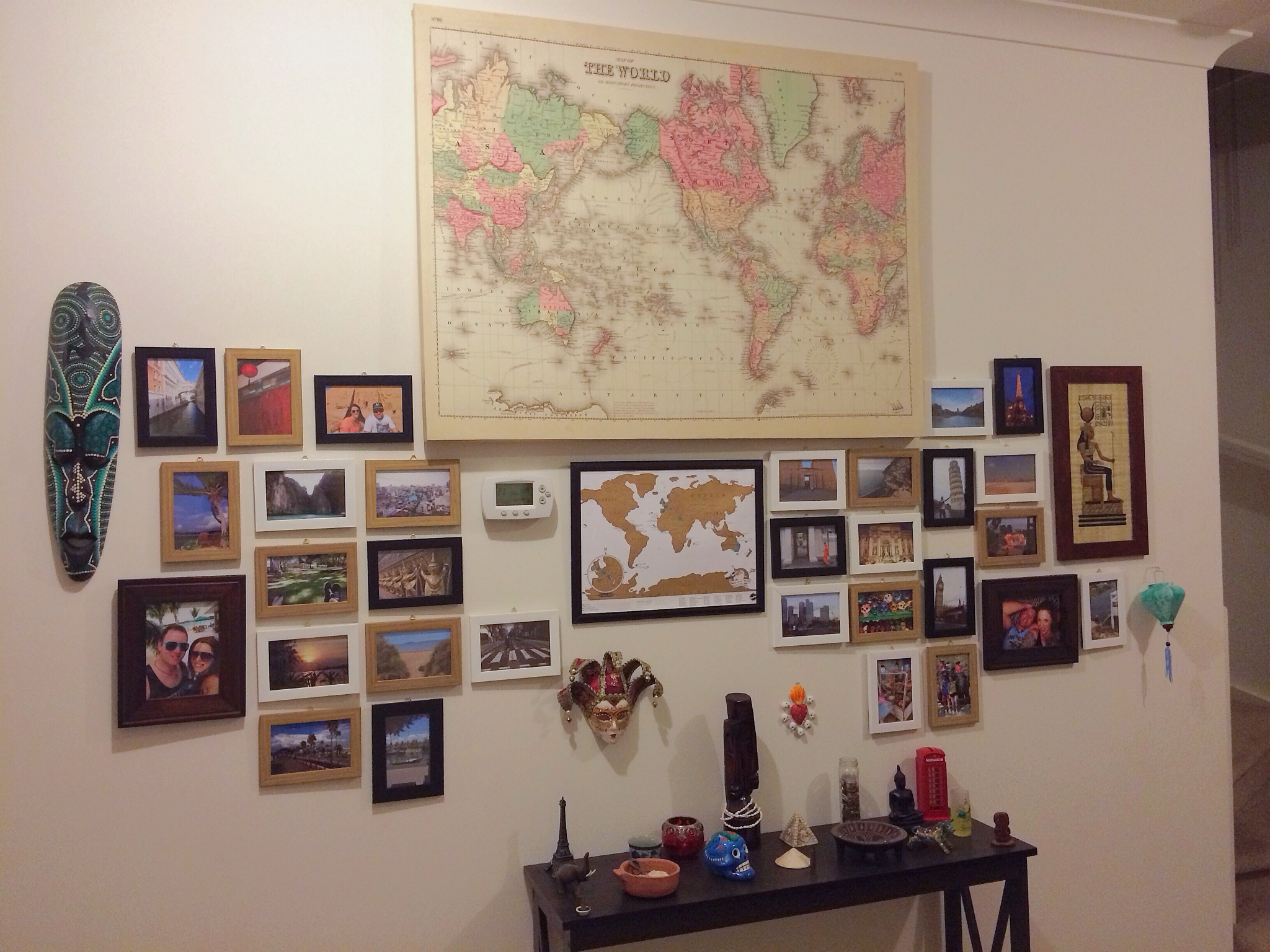
10. Souvenirs – one of the biggest money wasters for travellers. I’ve got a new system; if you’ve seen the image below on my blog (which reminds me, it’s a little old and has many new additions since being taken!), you’ve just about seen the extent of my souvenirs, for the most part. I buy something small from most cities I visit, representative of them (the sugar skull from Isla Mujeres, the wooden elephant from Phuket, the carnivale mask from Venice, etc) and keep them on that little table. I also frame a photograph from each city I visit to add to the wall. And finally, I put the hundreds of photos I take each time I travel into photo books so that I can look back over them whenever I want. The memories I have from looking at my own photographs are far better souvenirs and mementos than any tacky plastic touristy object I could have wasted my money on!
IMG_3166

So, there you go – my best tried and tested tips for travelling on a budget. I really hope at least some of them can help others see travel as being a bit more affordable and accessible, and if anyone has any further tips to add to the list, please share; the more help we can offer each other, the more of a chance we all have to see the world!
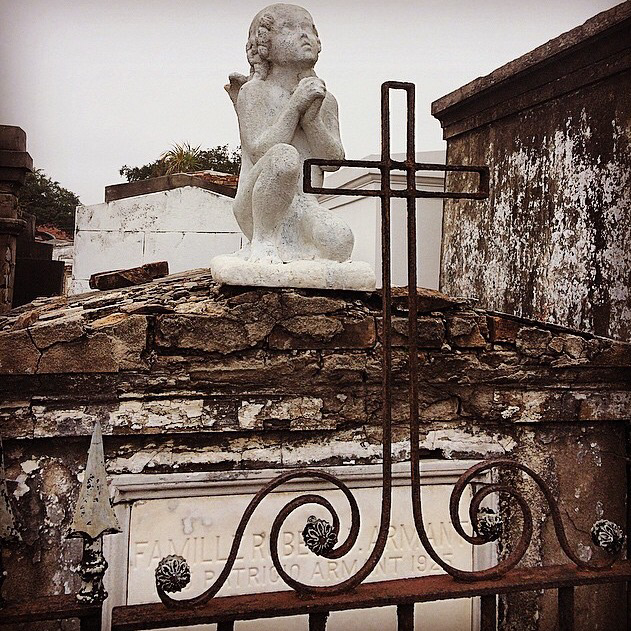
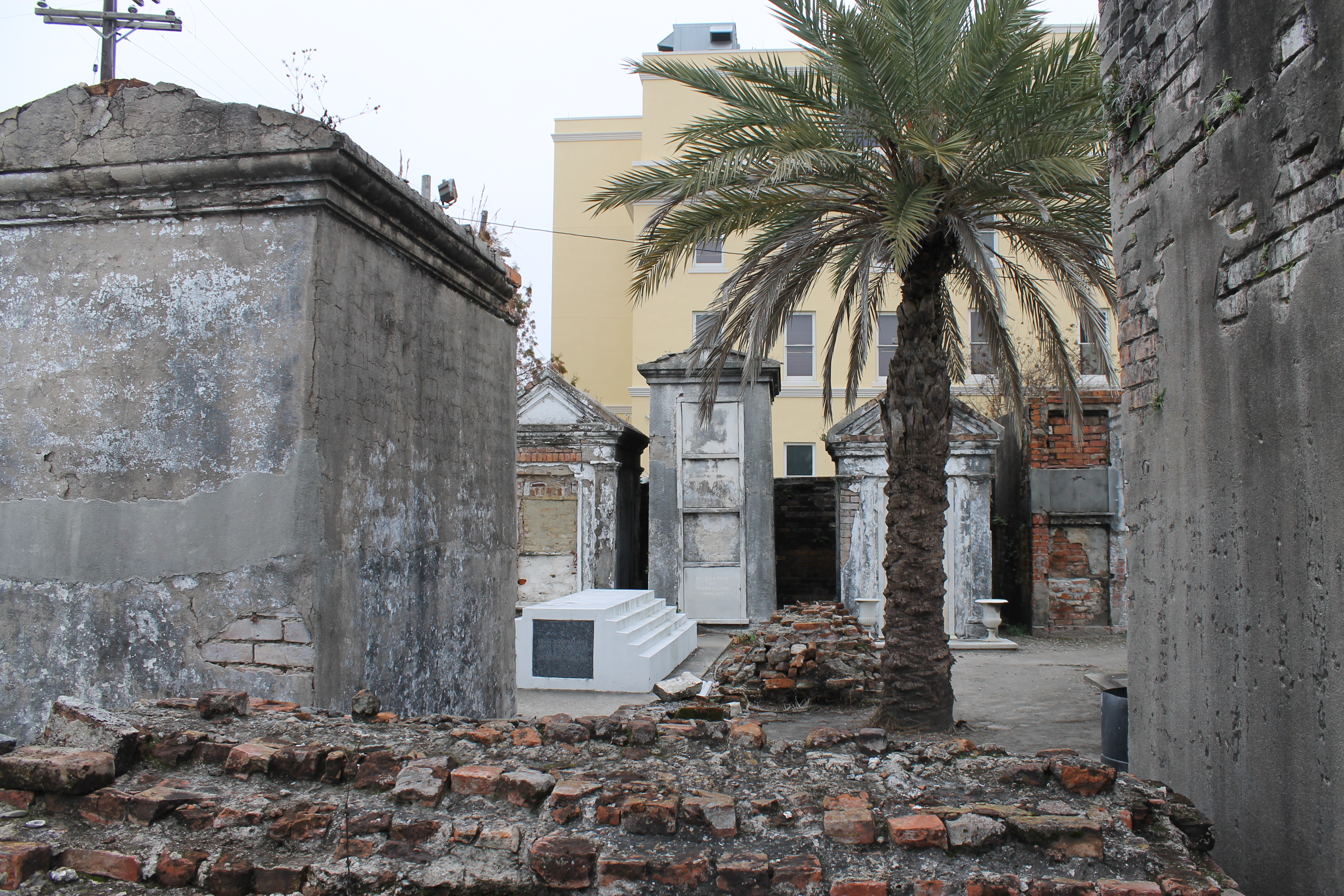
Finding myself in St Louis Cemetery #1, New Orleans

St Louis Cemetery No. 1
425 Basin St. New Orleans
http://www.saveourcemeteries.org/st-louis-cemetery-no-1/


I wrapped my oversized cardigan around me a little tighter as my feet crunched over the leaves that peppered the footpath, and the early morning wind blew as if it were trying to pass right through me. I’d woken up that morning in New Orleans, the city I’d been inexplicably drawn to, and a long way from home back in Australia.


It was with some trepidation that I passed through the entrance of the St Louis Cemetery No. 1. It wasn’t the whole being in a cemetery thing that had me unnerved; I’m oddly at ease among the graves and stories of the past. What I wasn’t at ease with at that time was myself. I arrived in New Orleans with this feeling I couldn’t shake, like I didn’t fit in anywhere, like I didn’t belong. On that thought, the wind blew through me once more, as if urging me on through the front gate, as if pushing me toward answers.

IMG_6739
I moved silently through the decaying tombs, many dating back to the 1700s. Generations were contained within single crumbling structures; how many were truly remembered? What were their stories? The tombs would have been beautiful originally, but the deterioration they faced over the centuries only made them even more striking. Intricate wrought iron crosses and arrows decorated gates encircling tombs, while large stone and marble placards listing the names of the souls resting within lay on the floor beside many of tombs, gently pieced back together, having fallen from the places they’d originally occupied.

IMG_6730
Looking out over the praying angels perched on top of mausoleums, eyes turned to the heavens, I could see Treme Street and the housing projects beyond. Arriving just as the gates were unlocked for the day proved to be the perfect time to visit, with no one else around. I was a long way from the mayhem and commercialism of the tourist hub that is Bourbon Street; I was, proverbially, definitely not in Kansas anymore.


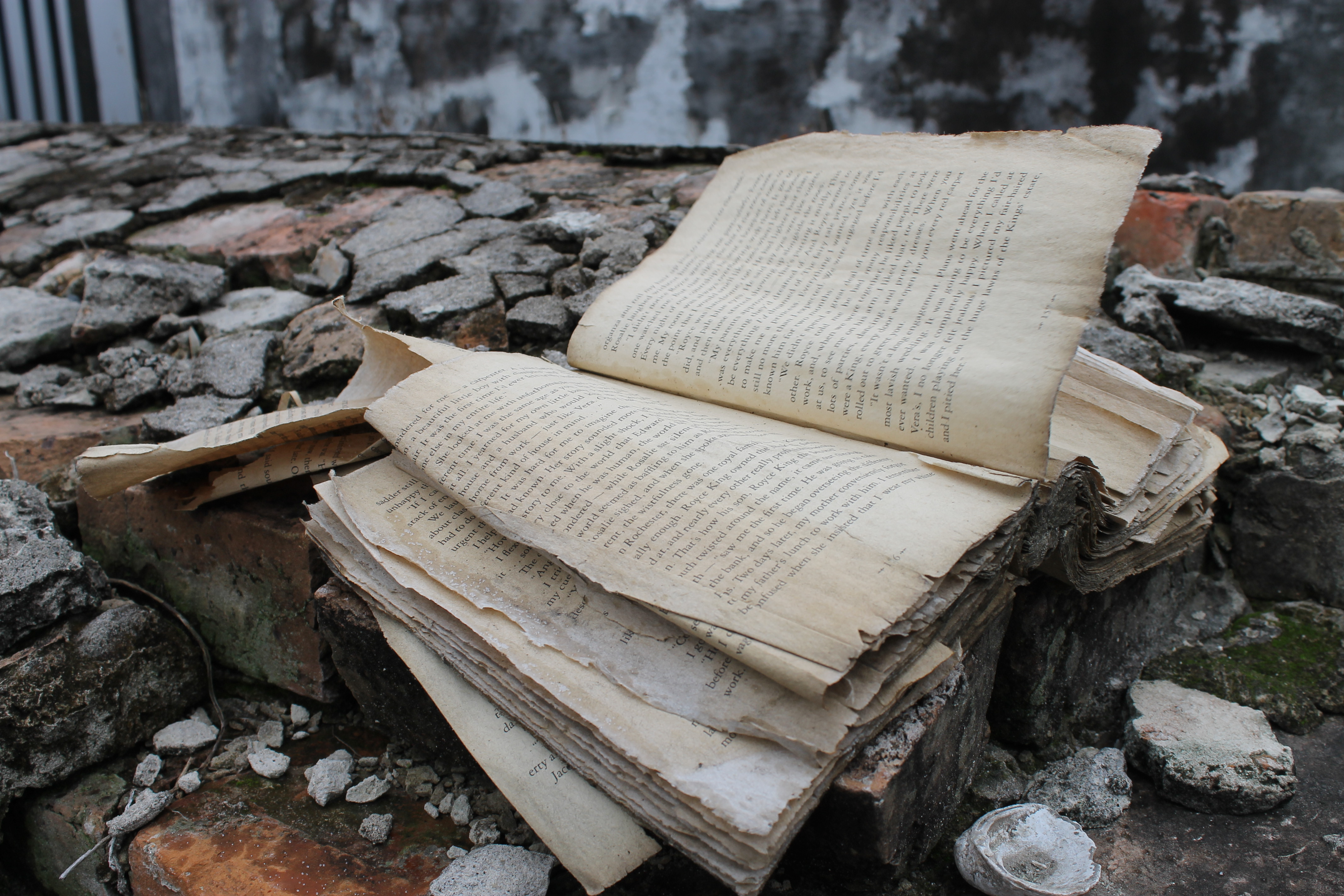
I guess travel is the ultimate opportunity to reflect and recharge; we all know the cliché of people “finding themselves” while travelling. New Orleans was so different to anywhere else I’d been. The people there seemed to live authentically, fearlessly. Free. As someone who’s spent the best part of her life held back by fear, I was hypnotised by that thought, ready to start my own new chapter. And, as if the spirits had me in their hands, the last thing I saw before I left the cemetery was an old book, the pages browned and torn, sitting on top of a tomb; as I walked past, the wind blew the open pages shut.

IMG_6742

Shop here: Memorabilia on Smith Street, Melbourne

Memorabilia on Smith
269 Smith St, Fitzroy
http://www.memorabiliaonsmith.com.au/

IMG_3436.JPG

There are so many second hand/pre-loved/vintage stores in Fitzroy, so it takes a lot for one to stand out. This is one of those stores. Overflowing with fascinating trinkets from yesteryear (literally, spilling onto the footpath out the front and piled high in the store creating walk-ways so narrow I’m too scared to breath on my way through), this is chaos at its most fascinating.

IMG_3428.JPG

While AFL (Australian Rules Football) memorabilia tends to dominate the stock, there is so much more you’ll notice once you start digging around. The hardest thing is to stop looking at it as one giant mess (which it totally is, and I say that with love because it’s a fantastic mess), and try to narrow your attention on one item at a time. You truly have no idea how difficult this is until you’ve visited.

IMG_3429.JPG

What initially looks to be a display case of dirty old plastic reveals, upon closer inspection, 90s Pez dispensers, action figures that every child either had or begged their parents for, and vintage yoyos with old Coca Cola logos. The shelf that looks like a dusty old medicine cabinet reveals perfectly kept glass bottles and vials, old Arnott’s biscuit tins, gum ball machines and a giant old-fashioned Streets ice cream cone sign hovering above your head. It’s a beautiful, nostalgic 1980s and 1990s Aussie wonderland.

IMG_3427-0.JPG

Photo Journal: Cloud Gate at Millennium Park, Chicago

IMG_6181

Cloud Gate. The Bean. That weird silver thing. Whatever you want to call it, it’s become a Chicago icon since it’s unveiling and dedication on May 15th, 2006, nine years ago today. The man who can take credit for this beauty is an Indian-born British artist by the name of Anish Kapoor. It’s a 66ft long, 33ft wide, 110 ton stainless steel arch of sorts, inspired by liquid mercury, and providing the most beautiful reflections of a stunning city. It’s a favourite for both tourists and locals, and especially photographers; I got to Millenium Park at 6am on Christmas morning, 2014, to get these shots; it was more than worth the early start to be able to sit there for a while and watch the reflections as the sun came out.

IMG_6170

IMG_6158

How To Take Your Dream Trip Without Breaking The Bank!


globelle

I’m super super excited to spread the word that the Globelle Travels website has just been launched! I had the absolute pleasure of catching up with founder Deb a few weeks ago, and it was so amazing to meet another young woman with dreams to see the world, and with such a huge passion for helping open the door for other women wanting to do the same thing, which is what Globelle Travels is all about –

 The idea for Globelle Travels was the result of one solo female traveller receiving a fair few messages from friends and acquaintances asking about her experiences. These questions ranged from how she found travelling alone, to how she went about getting a job and place to live in a foreign country, to how she went about sorting out visas, to whether she felt safe when on the road. The sort of questions any first time traveller might have I guess. Over time, the volume of these messages increased and she realized that there wasn’t any one resource out there that potential female travellers could turn to.

From this, she felt there was a real need for a compilation of information from a variety of knowledgeable sources, which if you were a first time female traveller would make the prospect of exploring less daunting.

The website and concept as a whole will be growing and evolving for some time, so if you’re a women taking on the world, you can connect with Globelle Travels via website, Facebook and/or Instagram!


In the mean time, I’ve also had the opportunity to team up with Globelle Travels and write an article to help kick off the HOW TO department:

This is not the be all and end all list of money saving tips for travel; this is just my personal game plan. These are pieces of advice I’ve gathered from years of travelling myself, from working in accounts roles, and from people I’ve met through my work as a travel consultant. I do practice what I preach, and these are steps I follow every time I travel.

It’s hard to pay off bills, a mortgage and travel the world at the same time which can put a lot of people off following their travel dreams. But it IS do-able, and my aim here is to help other people see that they don’t have to sacrifice their dreams for their finances!


12 months (or more) out: Work out how much the trip is going to cost and making a savings plan.

· You only need a rough estimate to start off with, which you can get by doing a little research online. Say you’re looking at going to New York for 2 weeks over Christmas next year; use a website like TripAdvisor or Expedia to look up how much it’d cost for you to fly to New York and back this Christmas. Look at how much accommodation and travel insurance will cost. Add in the costs of any big tourist excursions, like a Top of the Rock pass. Guestimate how much you’ll be spending per day on food, drinks, shopping, etc. Add it all up, and divide that by the number of months you’ve got left until you want to take this trip. That’s roughly how much you’re gonna need.

· Next, create a savings plan by prioritising what your pay cheque goes towards. Write down how much you get paid each month, then list your non-negotiable expenses (rent/mortgage, bills, grocery money, petrol or public transport money, phone bill, insurance, gym membership, etc). Work out what you’ve got left each month after you’ve paid the non-negotiables, and from there you can work out how much of that you’re willing to put away to fund your travel. It might mean you have to miss a few cocktail nights with the girls or say goodbye to the monthly manicure, but think about how much it’ll be worth the sacrifice when you’re drinking a cocktail at a New York rooftop bar instead!

· Now is a good time to buy yourself a money tin, into which you should dump all the coins you have at the end of the day. Trust me, you won’t miss the collection of 20 cent coins tomorrow, but in a year, they’ll have added up to serious spending money! It’s also worth looking into opening a separate savings account with your bank for the money you decided to put away in the step above. This is something I’ve been doing for years now (along with the money tin), and it’s made the world of difference. Every time my pay cheque comes through, I immediately put my set amount into my travel savings account, and I don’t touch it until I need it to book flights, accommodation, etc. Look into an account that will generate interest as well, so that you’re earning a little more money just by saving – your bank should be able to help you choose the right account for your needs.

· Start doing a little bit of research now on where you want to go. Work out roughly where you want to go and how long for. It may be as simple as 2 weeks in New York, or it may be 3 days in London, a week in Rome, 4 days in Florence and then a week in Paris to finish up.


8 – 10 months out: Get ready to book your flights and travel insurance.

· Now is when you’ll see why it’s important to have a bit of a plan together. Sure, you can wing it and book your flights a month or two out, but that’s not going to save you money! Flights are generally released for purchase 8 – 10 months prior to your travel date. Remember if you’re taking a longer trip, this will mean 8 – 10 months prior to your return date, too. If you’re travelling in peak times like school holidays, Easter, Christmas, New Years, be prepared to book 8 months in advance – sure, you can get some great sale fares closer to the date, but not if you’re travelling at these times. If you want some professional advice, don’t be scared to speak to a travel agent – remember, you’re not obliged to book anything with them, but if you do click with them and trust them, they can be your best ally in booking your trip.

· It’s a cliché, but it’s true: if you can’t afford travel insurance, you can’t afford to travel. Having worked as a retail travel agent for a few years, I’ve seen and heard all the horror stories and ridiculous amounts of money people have had to pay for injuries, thefts and the like overseas, because they didn’t think $100 for travel insurance was a good way to spend their money. Take out travel insurance the same day you purchase your flights; I speak from personal experience when I say it’s a non-negotiable.

· If you’re not 100% set on travel plans, just aim to get your international flight booked first, and worry about your internal travel later. Remember that you’re not just restricted to flights – trains can often be a great and less expensive alternative if you’re not travelling too far. They can also be a great time saver, as you’ll be skipping the airport security checks, waiting for luggage, etc.

· If you decide to book internal flights early as well, check their luggage policies – a lot of internal North American flights (ie. Flying American Airlines from LA to New York) won’t include luggage, and you’ll be paying around USD$25 per suitcase you take, so add that into your budget if need be. If you decide to book through a travel agent, ask them about booking all of your flights together and if that would be a more financially viable option than booking them all separately.

· Now is also a good time to start looking at foreign currency. Exchange rates can fluctuate so much, so if you do have a little spare cash and notice a particularly good exchange rate, change a little cash. Also consider options like a Cash Passport card to use overseas – I swear by mine!
7 months out: Consider seasonal clothing.

· I know this may seem overly organised, but this can save a ton of money. I visited North America and Canada over Christmas/January 2015, which is obviously a pretty cold time of year over there! Six months out from our trip was winter here in Australia, which meant two things:
1. It was almost end of season sales here, which meant I was going to be able to get some cheap winter gear in stores around August; I got a great pair of leather boots for half price (there’s no way I could have afforded them full price!), and I wore them almost every day. Great investment!
2. It was also early summer in Europe/America, so their winter gear was pretty cheap, too. I shopped online, getting a good water proof puffer jacket online (ASOS, I believe) on a 70% off sale, which again was worn most days and was another great investment.

It may seem a bit crazy, but trust me, it’ll save a ton of money. Especially if you are travelling in extreme weather – winter coats in New York cost a small fortune, as did sunscreen in Mexico! Stock up on out of season stuff while you can if you know you’re going to need it.


6 months out: Planning it out.

· I know it’s really common and easy to turn to guide books when you’re planning a trip – I’m guilty of this too, don’t worry! But more and more I’ve found myself turning to one of the greatest untapped resources when it comes to travel planning: travel bloggers! It wasn’t until I started blogging that I realised how much incredible information there is out there, and it’s so easily accessible! Why pay for travel books that are often not up to date, when you have a world full of people writing all about their travels from last month, last week, yesterday?! Sure, the glossy, shiny, professional photos are pretty, but I’d rather see what places are like first hand, photographed by real people. I’d like to hear about the entry prices, opening hours, what to expect, what to be wary of from someone like me who just visited a few days ago. And all of this information is FREE! Just Google “travel blogs” and you’ll have a few million to choose from!

· While you’re at it, download a solid travel app – personally, I like Tripomatic. It’s easy to use, has some good suggestions of things to do, allows you to enter your own places to visit, and most importantly, offers an offline map functionality on which you can plot all the places you want to visit on. So even if you’re out of a free wifi zone, you can still get a map up of New Orleans that’ll show you the way from Café du Monde to the Voodoo Museum! You want a great money saving tip? Don’t walk around foreign cities with a paper map! You may as well paint a target on your back! I know it’s horrible to be so pessimistic, but reality is that tourists are easy targets for theft. You don’t want to find yourself in the horrible situation of going to pay for your coffee and croissant in Paris only to realise that your wallet is gone. I really liked and heavily relied on the offline maps in North America, particularly in big cities like New York and Chicago. I just looked like another person checking Instagram while they were walking along, when in reality I had a map of the city up and was following the little blue dot from point A to point B. Amazing!

· Check if any of the places you’re going to need a visa – if they do, now is the time to start looking into how far in advance they need to be organised and setting aside the money for them. Some places offer visa on arrival – while it may be cheaper at face value, it won’t be if you turn up and are for some reason not eligible for the visa on arrival. Very expensive trip from one airport to another and then being sent back home again. Ditto for your passport – make sure it has at least 6 months expiry from the end date of your trip, or you may be denied boarding. Seriously, I’ve seen it happen while working as a travel consultant. VERY expensive mistake to try to fix!

· While you’re checking these things out, check to see if you need vaccinations. Again, annoying to fork out the money if you do, worse and much more expensive if you contract hepatitis while you’re enjoying a stay in Koh Samui.

· One final thing to consider 6 months out is making sure you have enough money to come home to. There’s not much worse than having planned in advance to have enough money for your trip, but then coming home and realising your bank account is empty and rent is due next week. Make sure you’ve planned to have a little money set aside for when you return.


While you’re away: spend smart.

· It’s hard when you want to do everything and buy it all and see it all and eat it all! Hopefully if you’ve planned and budgeted carefully enough, you’ll have enough money to get you through and allow some extravagances. If not, consider street food over fancy restaurants, discounted tickets instead of “the works” deals, saying no to the gorgeous Italian leather shoes in the window so you can see the Colosseum instead. At the end of the day, you know what you can and can’t afford, so spend smart and try not to miss out on anything you’ll regret when you get home!

As I mentioned earlier, this is by no means an exhaustive list, so please keep the conversation going and add more tips!