Photo Journal: Graceland Cemetery, Chicago

Graceland Cemetery
4001 N Clark St, Chicago
https://www.gracelandcemetery.org

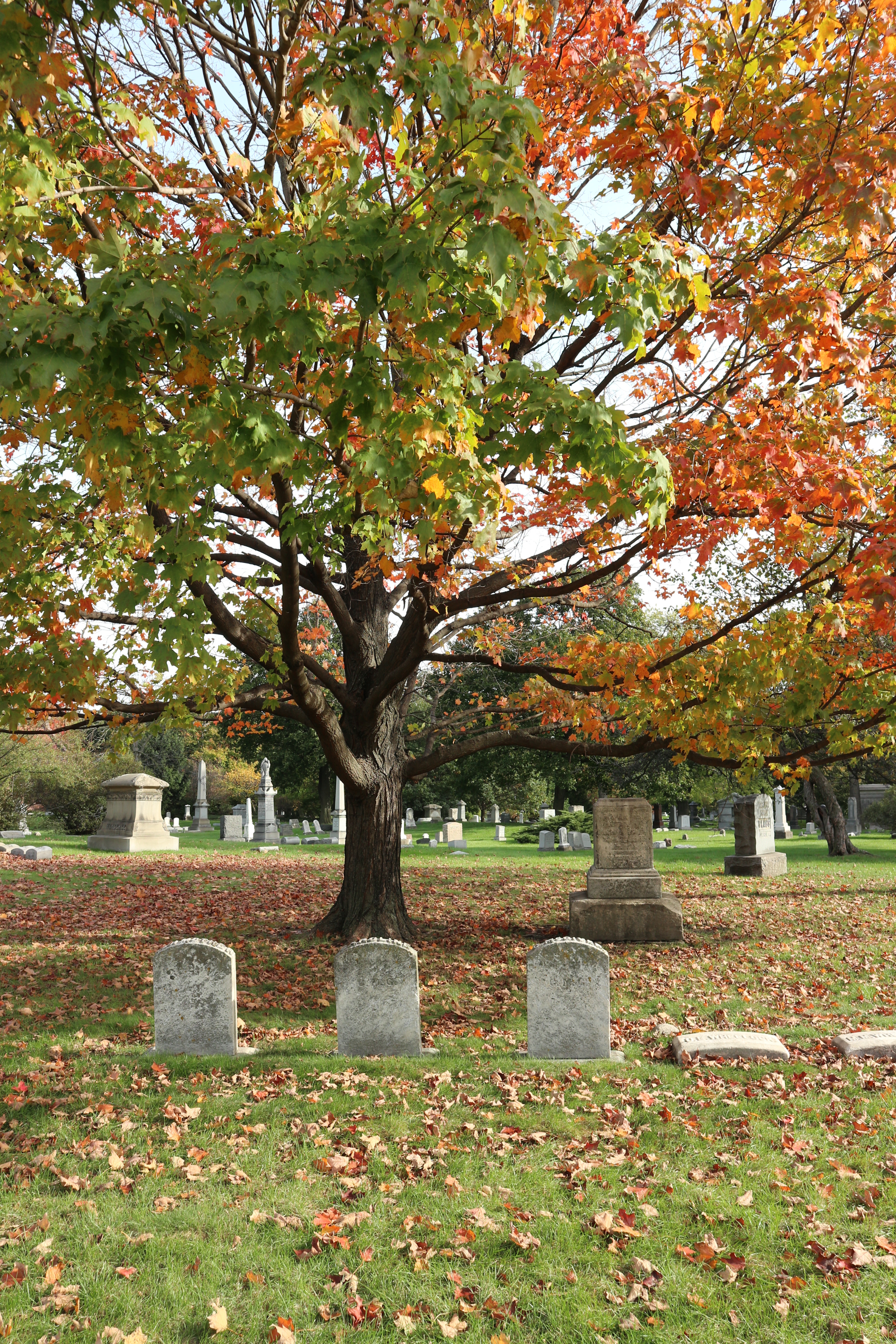
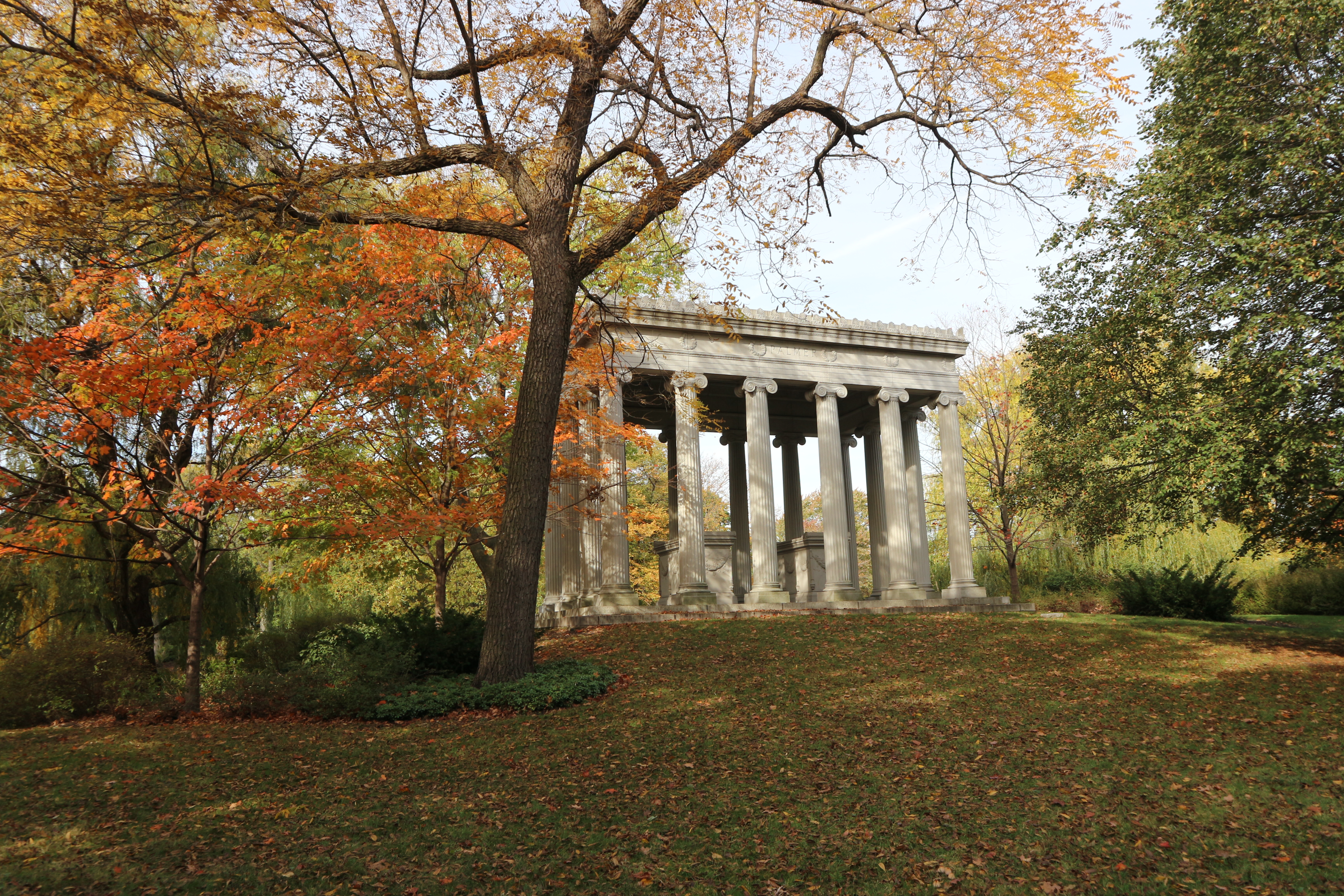
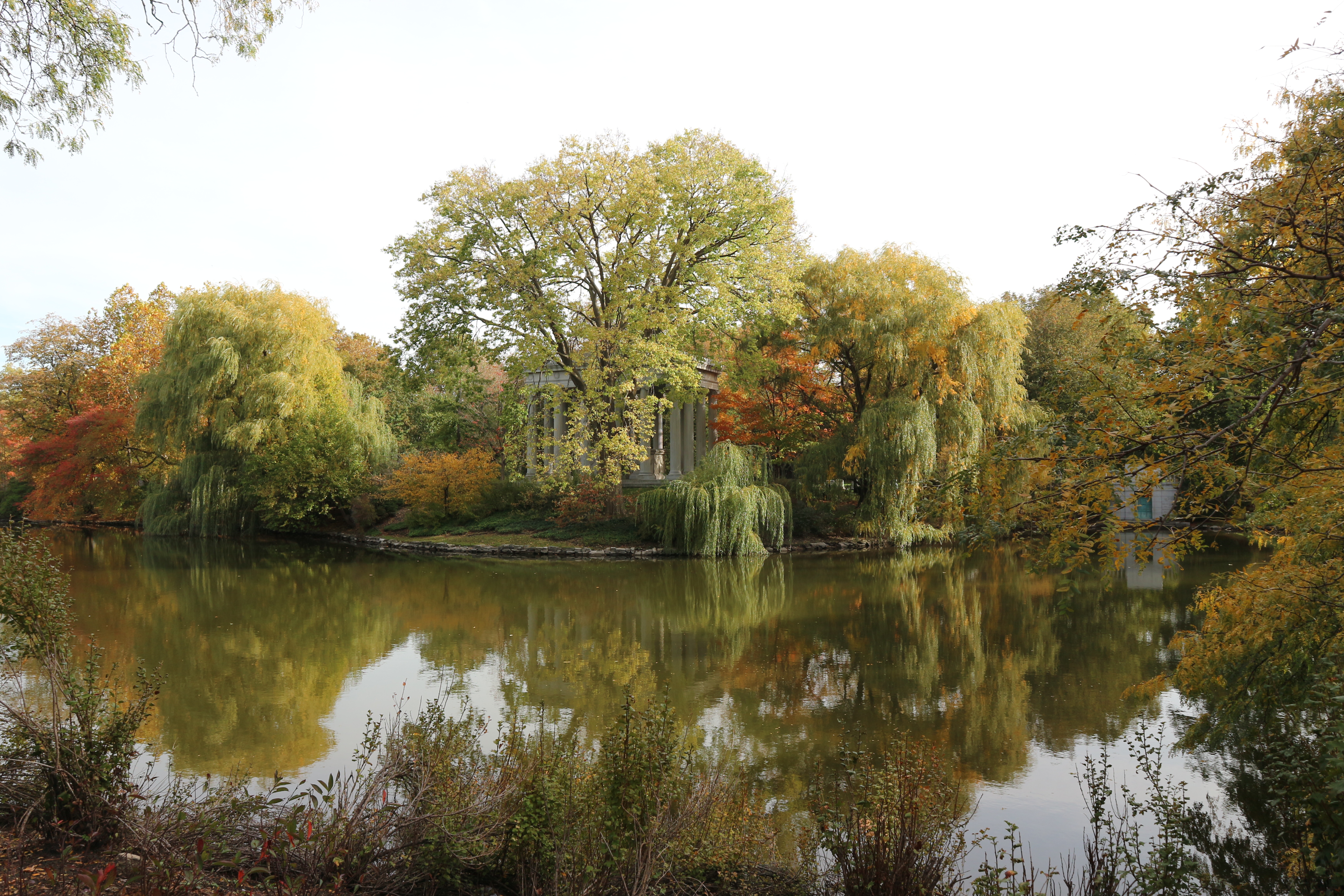
I could tell you how Chicago’s Lincoln Park used to be the city’s premier burial ground until Chicago’s City Council banned burials there. Or that it was decided to move the city cemetery to what’s now Graceland. I could tell you that the cemetery spans 121 acres, and holds the remains of the city’s most eminent residents, including architects, sportsmen and politicians. I could harp on about how beautiful a garden cemetery it is, how it feels like you’re taking the most magnificent nature walk when you’re in the middle of it, which Chicagoans have been doing since it’s establishment in 1961.

Instead, I’m just going to show you how stunning Graceland is through some pictures I took when I visited in late 2017…

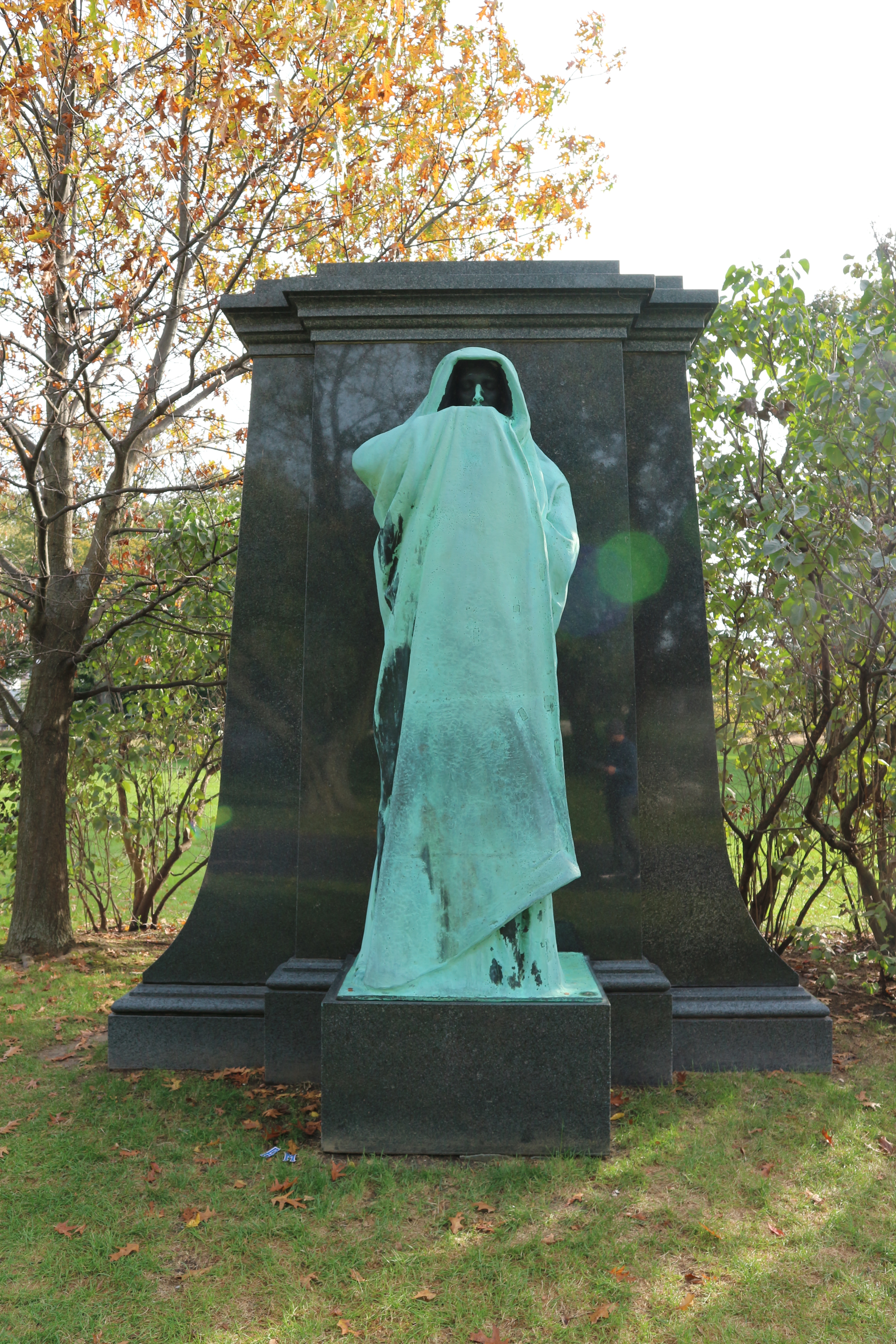
Cemeteries get a bad wrap for being creepy places. They generally don’t rank very highly on the traveler’s list of things to see and do. But Graceland felt much more like a museum crossed with a park than a burial ground. Visiting in autumn was magic, with all the leaves turning gold and red. The map you collect when you arrive is also particularly helpful, and adding to the museum vibe is the list of the important citizens buried there and a little biography of them all. And the only remotely creepy thing was the Eternal Silence statue below, and that’s only because Atlas Obscura told me that “looking into its eyes a person could see the nature of their own death…”

Top 10 Things To Do in Osaka

1. Try okonomiyaki, an Osaka specialty

Where? Okonomiyaki Chitose, 1-11-10 Taishi, Nishinari-ku, Osaka
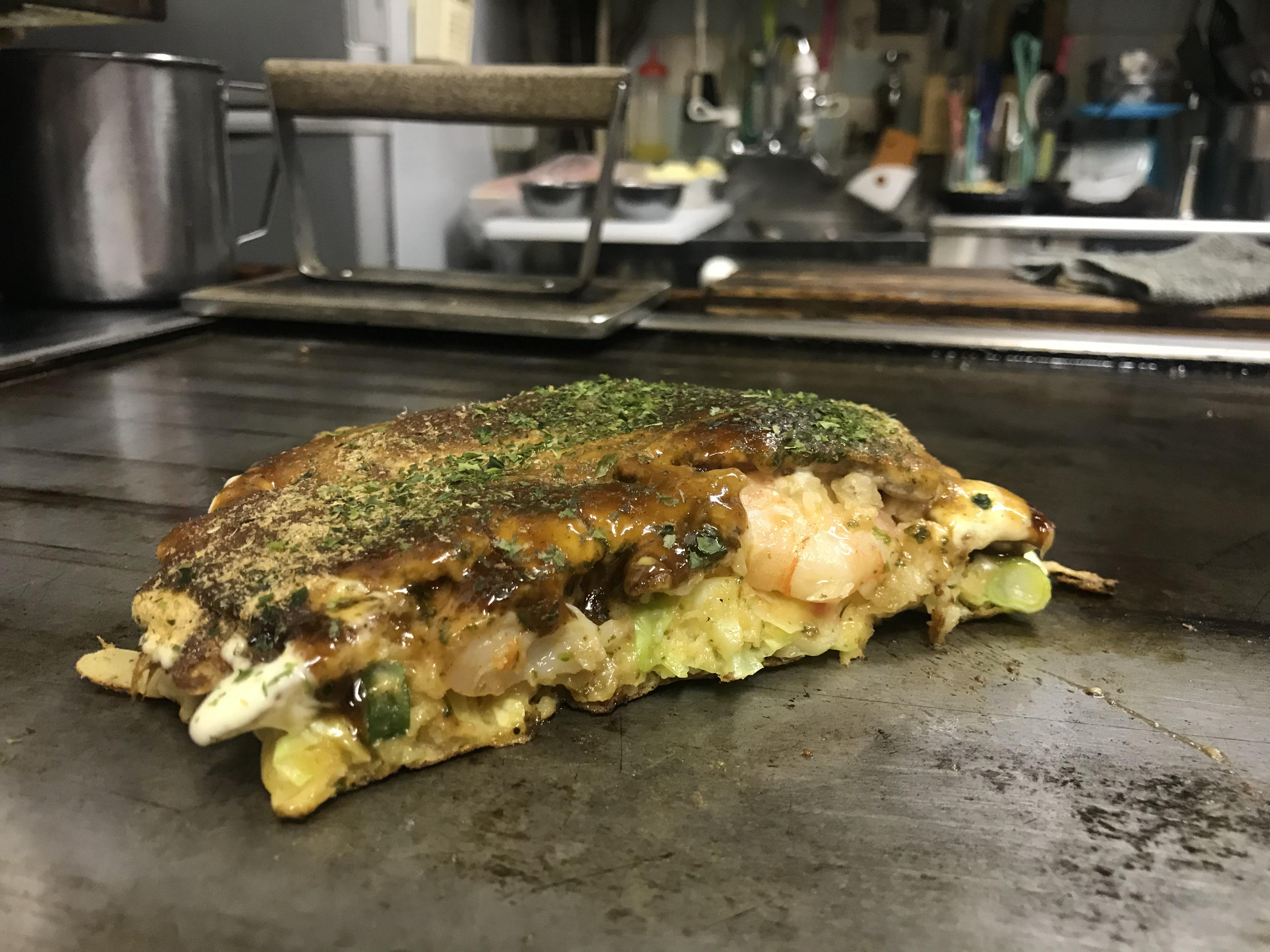
Why go? Contrary to what I thought a few years ago, okonomiyaki actually isn’t found all over Japan; it’s just Osaka and Hiroshima that traditionally do it. And you have to try it. Roughly translated to “cooked as you like it,” it’s a type of savoury pancake usually filled with pork and shrimp, and topped with a thick, almost sweet okonomiyaki sauce, mayonnaise, seaweed and bonito flakes. And it’s the ultimate in Japanese soul food.
How long will you need? Most okonomiyaki places like this one are quite small, so you’ll often need to allow for more time to get a seat than to eat.
Cost? We paid just under AUD$10.00 for a shrimp okonomiyaki.


2. Check out an undercover shopping mall

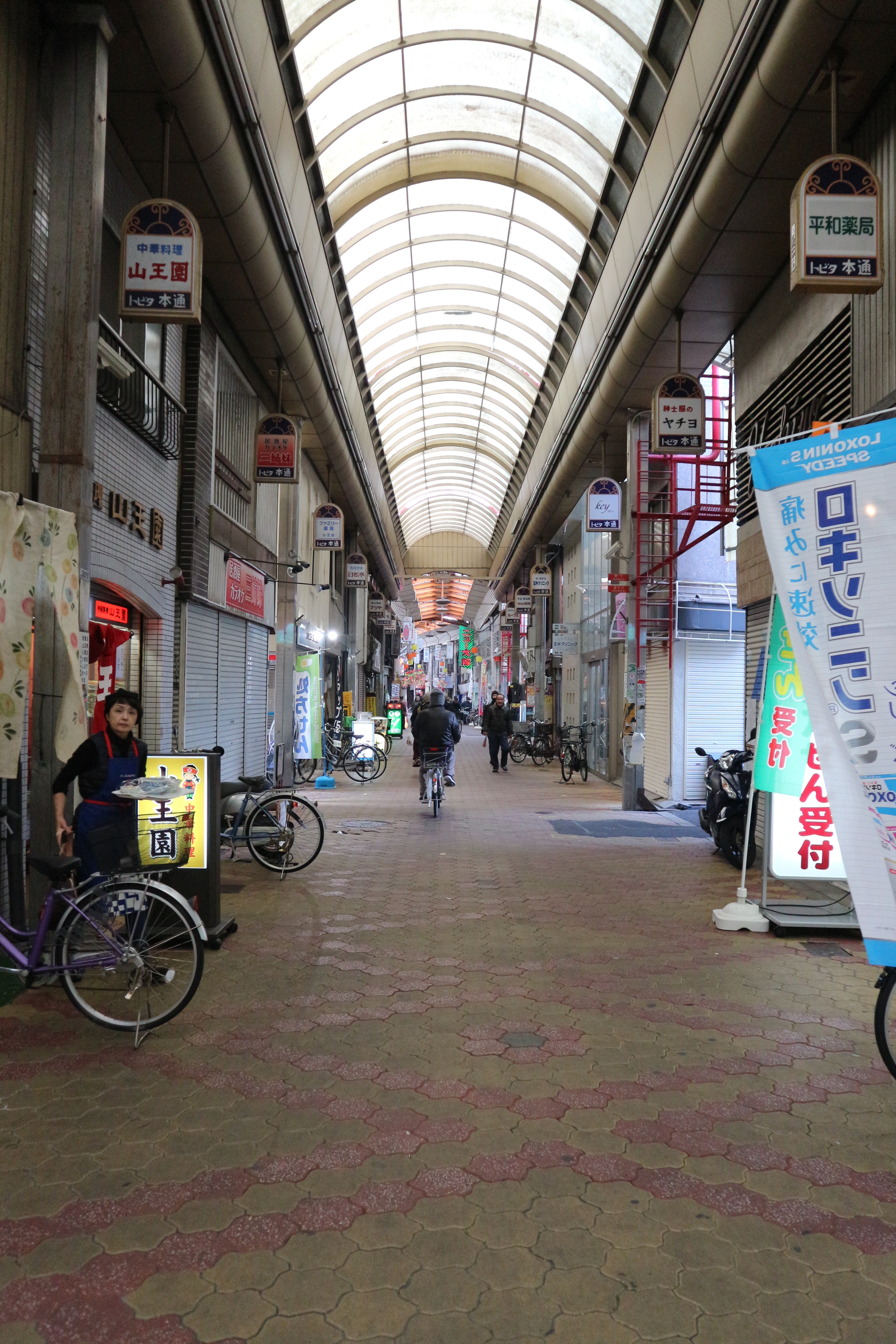
Where? Janjan Yokocho Alley, a few minutes walk from Shin-Imamiya Station on the JR Loop Line
Why go? For a really different shopping experience! This indoor alley is basically a mish mash of shops selling everything from second hand watches to dried fish. And there aren’t many tourists around, so you get a really good sense of what life is like in Osaka for the local population. And if you’re happy to rummage around, you can find some really cool stuff.
How long will you need? Give yourself a good few hours if you like to shop.
Cost? Prices range from dirt cheap for old stuff and food to a little more expensive for the odd clothing boutique.


3. Shop for stationery

https://www.u-arts.jp/
Where? U-Arts, 3-10,Namba Sennichimae,Tyu-o-ku, Osaka City
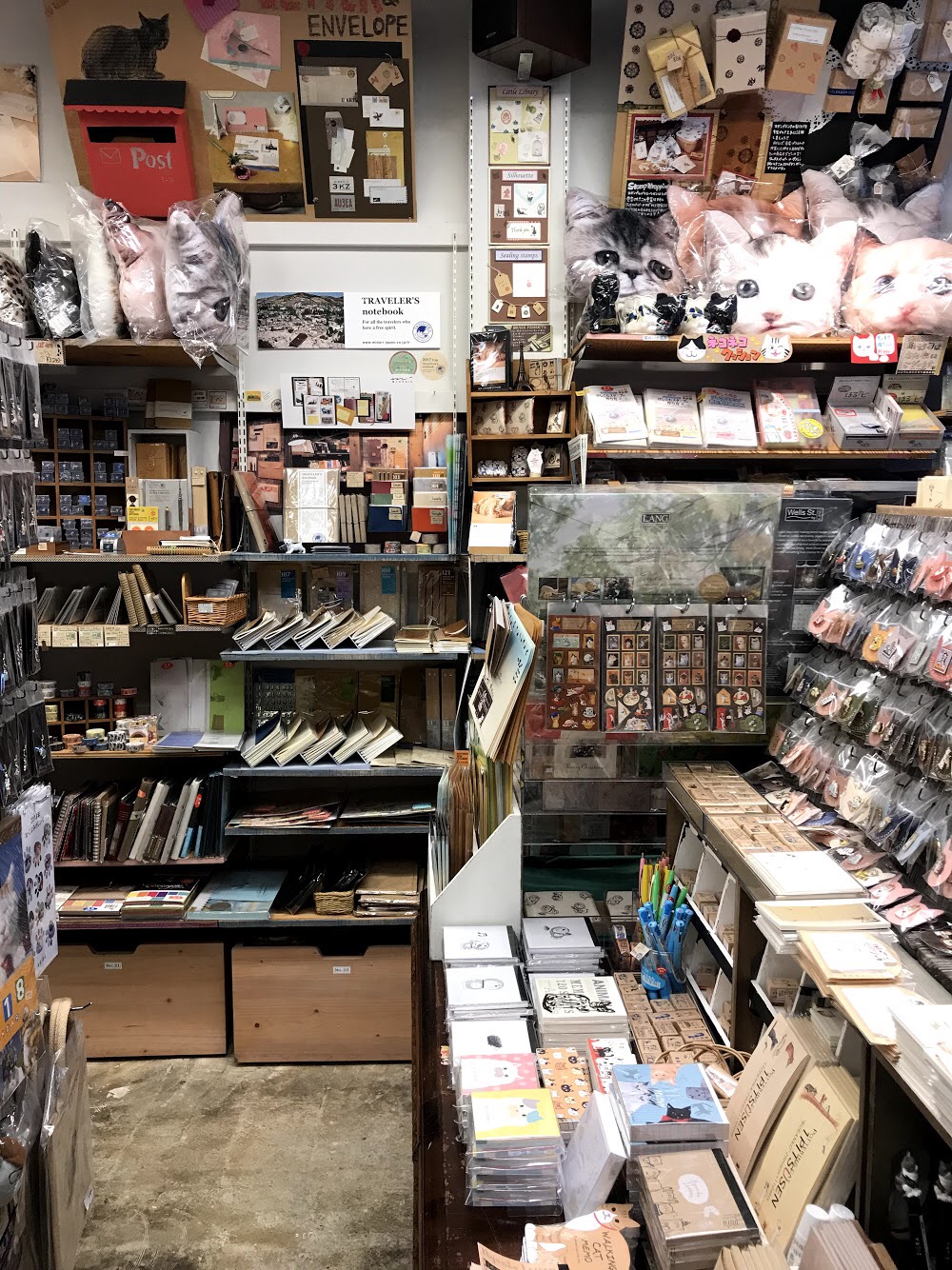
Why go? The Japanese have a love for stationery rivalled only by my own, and their stores are next level. There are the big ones like Muji and Tokyu Hands, but the little shops like U-Arts are even better. They stock pens and pencils, notebooks and washi tape, handmade decorative Japanese paper and origami pads, paint brushes and bookmarks… if a visit here doesn’t inspire you to create something, nothing will.
How long will you need? Normal people – half an hour. People like me – an hour or more.
Cost? Everything is very reasonably priced considering the quality. 


4. See some very unique shrines

Where? Namba Yasaka Shrine
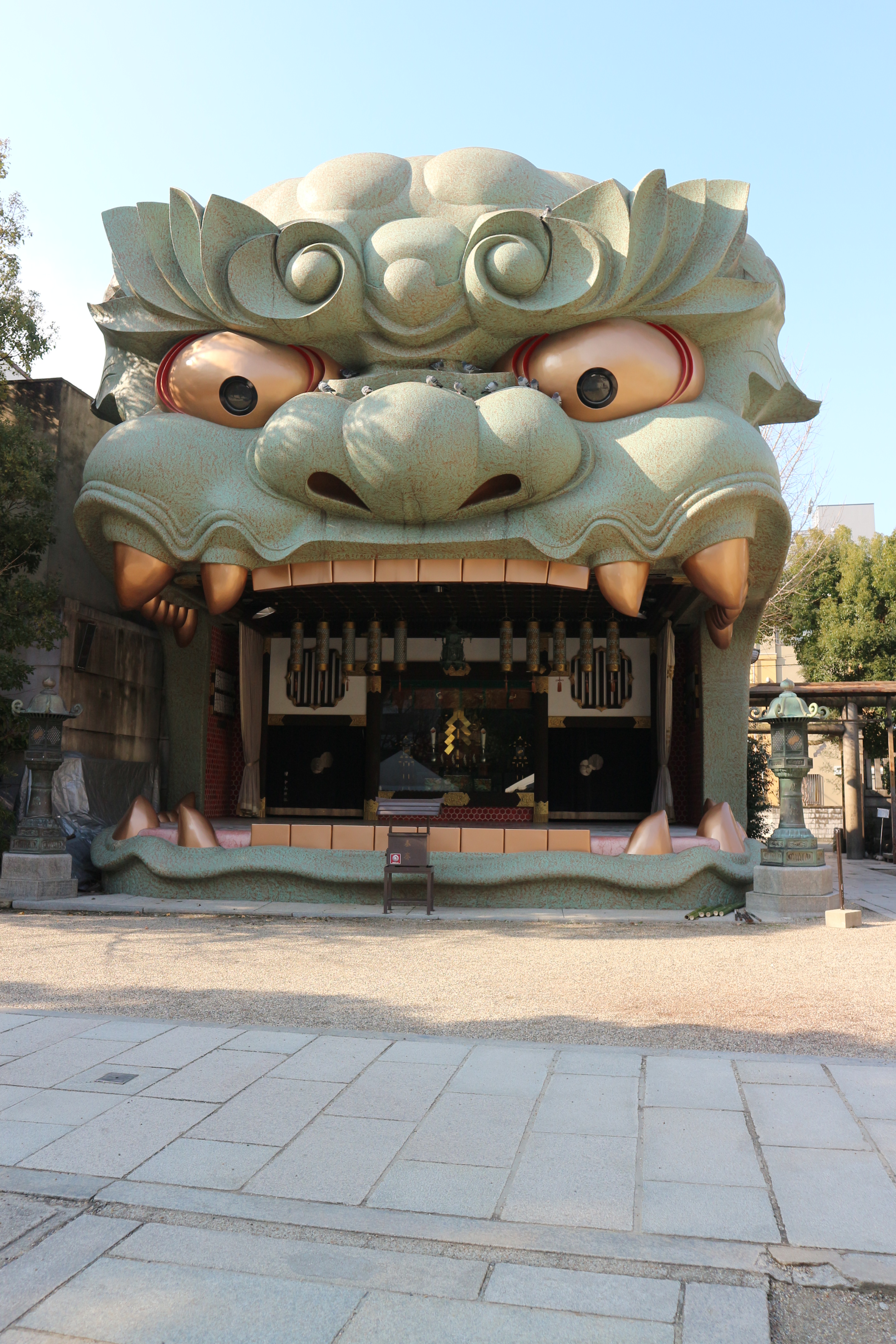
Why go? Lots of visitors to Japan like to see the shrines and temples, because they’re so unique to that part of the world. Then there are shrines like this one that are unique on a whole different level. Hidden in plain sight on an unassuming street, you turn a corner and come face to face with a giant lion’s head…
How long will you need? We were there for about half an hour.
Cost? Free.


5. Eat all of the food

Where? Dōtonbori – along the canal
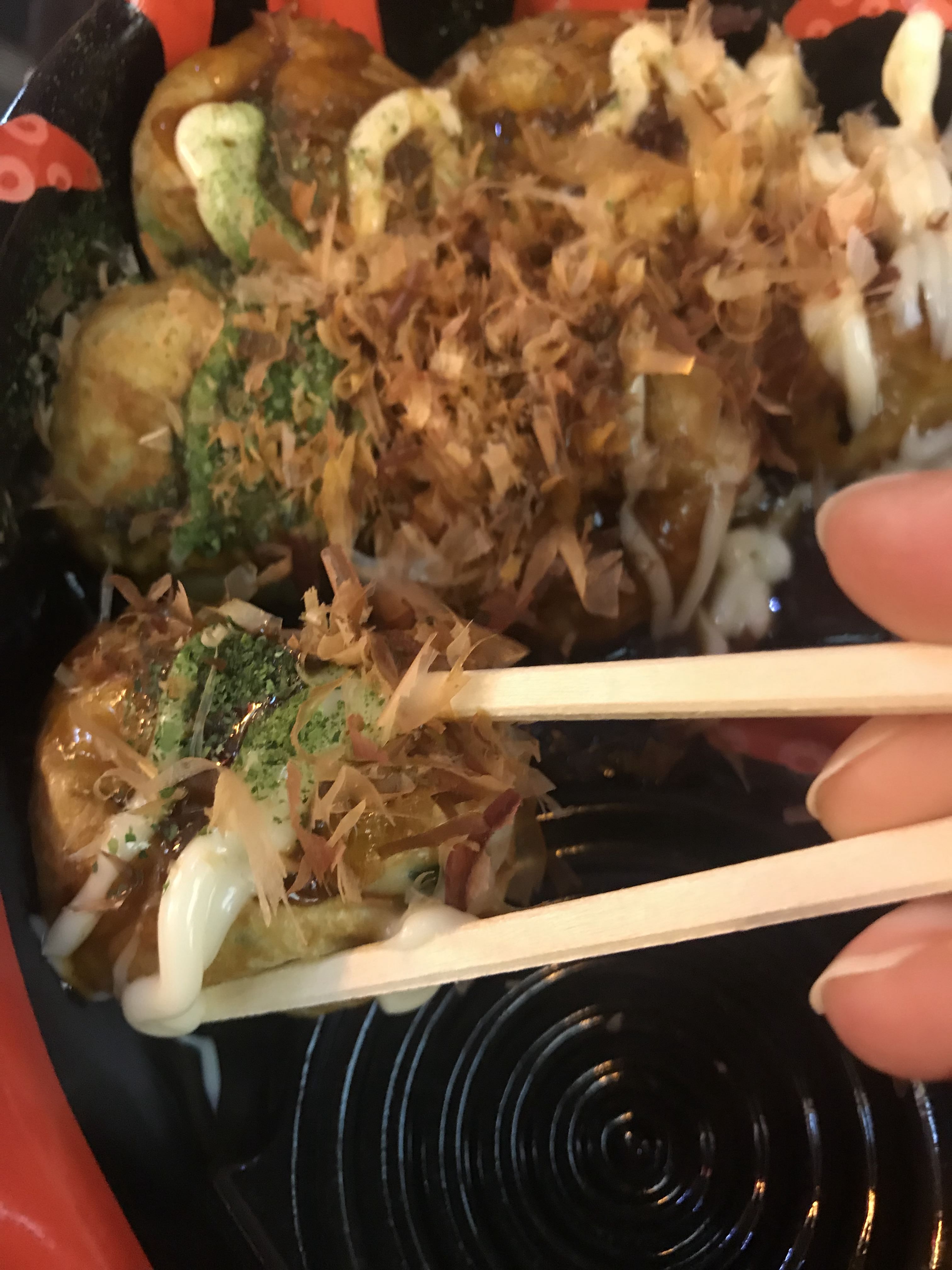
Why go? This is where you’ll find the best food in the city, advertised by giant crabs, octopuses and puffer fish. Great dishes to look for typical to the area are gyoza (fried dumplings), taiyaki (wafer-type cake filled with something like custard or red bean paste) and takoyaki (octopus balls – fried batter balls filled with little pieces of octopus).
How long will you need? All night. And then the next night.
Cost? Most food is pretty cheap, but a general rule of thumb is that the tackier the signage, the more you’ll pay.


6. Play some video games

Where? All around Namba district
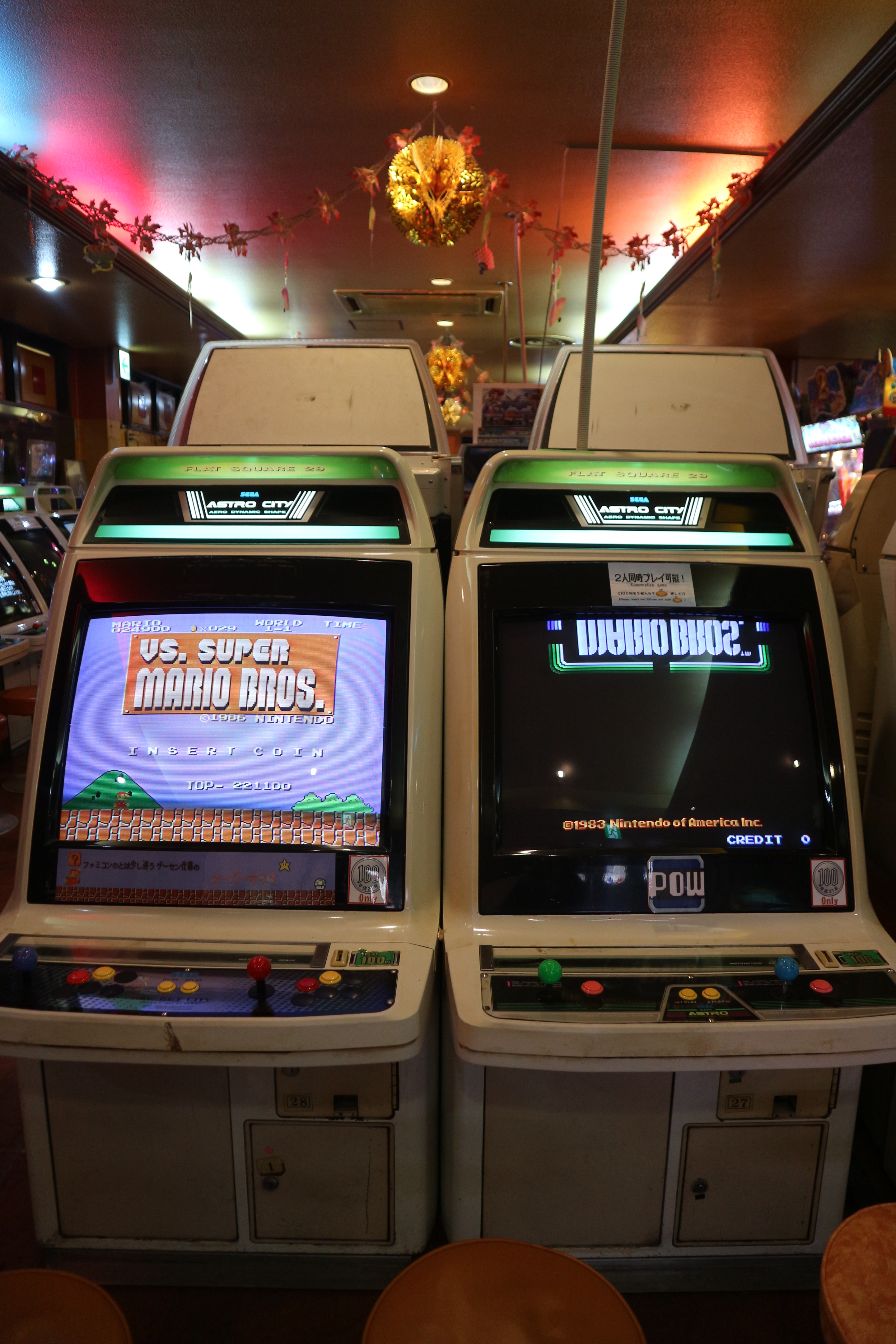
Why go? If you’re a child of the 80s or 90s, chances are you have fond memories of Street Fighter and Super Mario Brothers. For a few dollars per game, you can relieve the good old days on old school arcade games. Sounds a bit nerdy, but it’s more popular than you’d think.
How long will you need? Depends how much of a gamer you are – plenty of people are in there fore hours on end!
Cost? Usually only a few dollars per game. 


7. Visit Osaka Castle and Park

http://www.osakacastle.net/english/park/
Where? 1-1 Osakajo, Chuo, Osaka
Why go? The park is home to hundreds of cherry blossom trees if you’re lucky enough to be there in spring time, but if you’re not, it’s still just as beautiful. You can walk the moat-guarded grounds,  check out the castle’s museum, or take a look at the shops selling Japanese tabi socks, furoshiki (gift wrapping fabric) and matcha beer.
How long will you need? Half a day – better to get there in the morning if you can.
Cost? Entry to the park is free of charge, the castle museum costs around AUD$8.00 per adult.


8. Do the character café thing

http://gudetama.createrestaurants.com/jp/
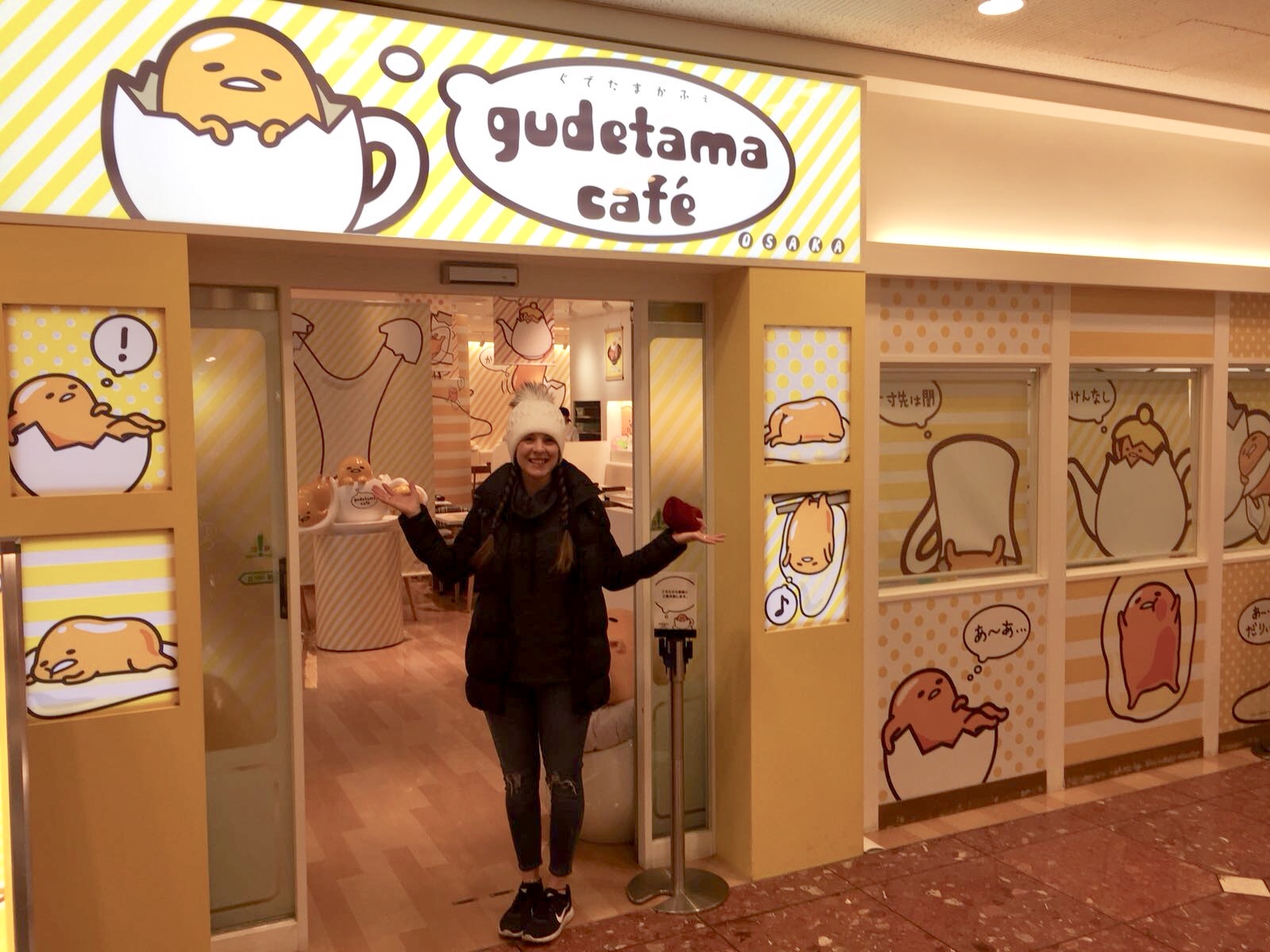
Where? Gudetama Café, Level 7 – Hep Five, 5-15 Kakudacho, Kita-ku, Osaka
Why go? Because you’re in Japan, the land of kawaii. They love their cartoon characters over there (we even saw Hello Kitty traffic cones being used at one point in our trip), and the character cafés are a really fun way to get into it. I chose the Gudetama Café, because the lazy little egg is my spirit animal, and I regret nothing.
How long will you need? An hour or so should do it.
Cost? Not super cheap – two matcha lattes and a dessert to share cost about AUD$22.00.


9. Try matcha flavoured everything

Where? Everywhere!
Why go? Matcha lattes were all the rage in Melbourne a few years ago, but it isn’t just a fashion statement in Osaka. Yes, they’re definitely cashing in on the tourist’s fascination with the green stuff, but it’s actually delicious. Start by trying actual matcha tea to get a taste. Then, the options are endless – soft serve, cookies, cakes, candy, husband even tried matcha beer.
How long will you need? Be on the look out alllll the time – we found that soft serve on the side of a really quiet street with not much else on it.
Cost? It’ll depend, but expect to pay a decent price for high quality matcha. 


10. Catch a bullet train to your next stop

Where? They depart from Shin-Osaka Station.
Why go? The best way to get from one city to the other in Japan is by bullet train. They fly along at speeds of up to 320kph (yes, really), are super clean and comfortable, and on the way from Osaka to Tokyo, you’ll get an incredible view of Mt Fuji. Can’t get that on a flight!
How long will you need? You can get from Osaka to Tokyo in 2.5 hours.
Cost? Not cheap – around AUD$175.00 per person in standard class. 

Bárður Snæfellsás, Arnarstapi, Iceland

The morning after we arrived in Iceland, we hit the road for our drive around Snæfellsnes Peninsula a little later than intended. We were exhausted, because we arrived in the middle of an Arctic storm and had to drive around 300km through it. But that’s a story for another day.

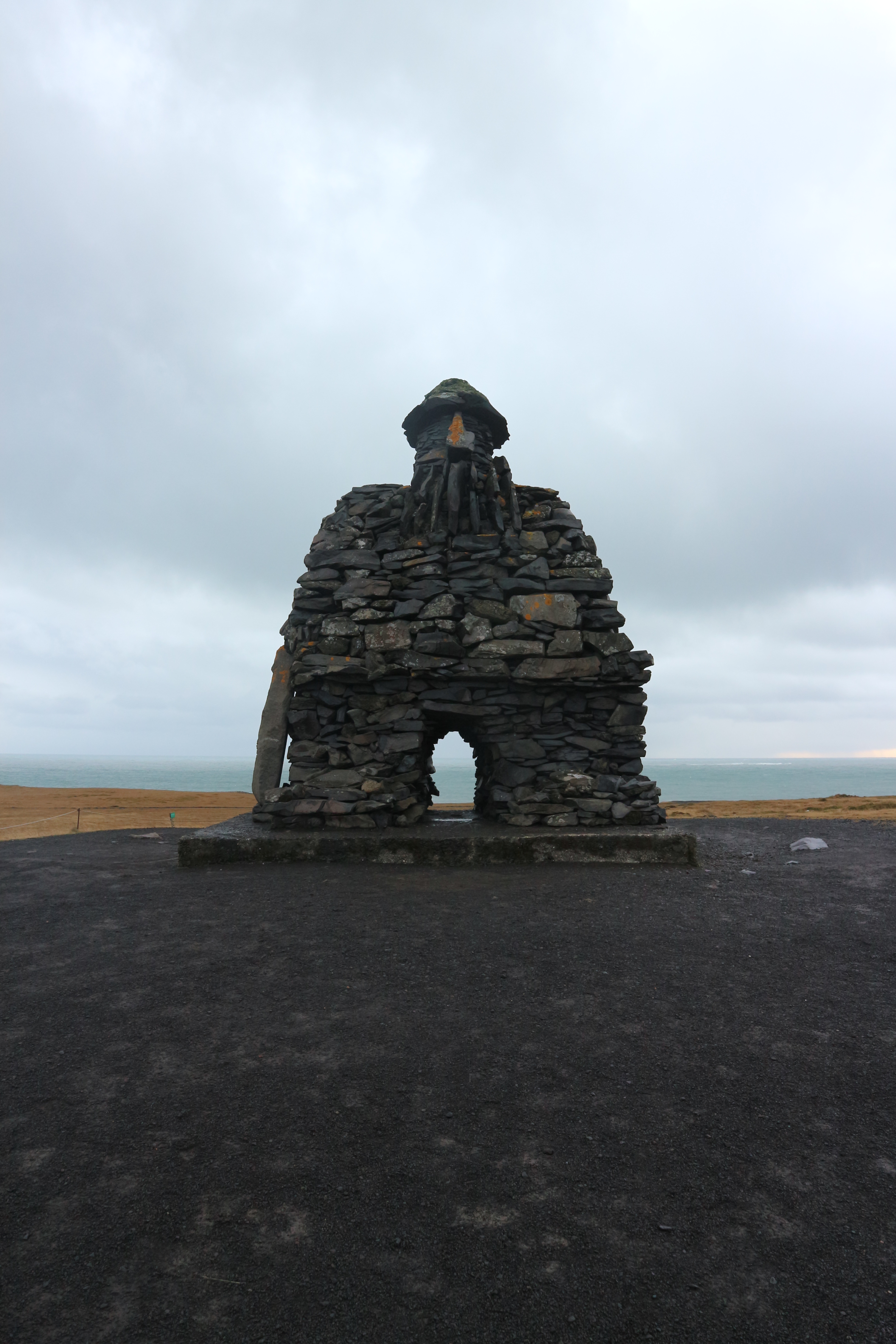
One of the stops we planned to make was at Arnarstapi, a little fishing village and old trading port. It’s an odd little place, full of contrasts – there are large area of flat, grassy land – then there are towering basalt columns and cliffs. Small, modest cottages dwarfed under mountains. And then there’s the Bárður Snæfellsás sculpture that sits at the top of the hill against the grey sky.

Iceland is steeped in mythology and stories, and it isn’t just confined to story books. There’s a small plaque at the sculpture, I’ll let you read from it directly…

The imposing figure seen here was made in 1985 by the sculptor Ragnar Kjartansson. This work is Ragnar’s representation of the guardian spirit Bárður Snæfellsás, Deity of Mt. Snæfell.

Bárður’s story is told in the saga of  Bárður Snæfellsás. He was descended from giants and men.  Bárður was the son of a king from Northern Hellaland in Scandinavia. He staked claim to the land of Laugabrekka by the Glacier at the end of the 9th century. Later in life  Bárður’s giant nature became ever more apparent. In the end, he disappeared into  Snæfell Glacier, but did not die.  Bárður became a nature spirit and the local folk around the Glacier petitioned him in matters large and small. 

This work commemorates the couple Guðrún Sigurðardóttir (1878 – 1941) and Jón Sigurðsson (1876 – 1956), who lived here, and their son Trausti, who died of exposure on Jökulshals mountain pass in 1928, only 19 years of age.

We visited in winter, on a particularly overcast day where we were the only visitors, so it wasn’t difficult to imagine the sculpture as a giant. And it feels fitting to have it sitting there up on a small hill, because once you’ve walked around it and taken it all in, you realise there’s a gentle sloping path leading down behind it to a view over the cliffs…

4 Perfect Canadian Lakes: Talbot, Moraine, Maligne & Louise

We started our four month trip around the word in Alberta, Canada, and honestly, a day in, I thought we screwed up. It was too beautiful, too perfect – we’d peaked way too early. I couldn’t imagine how anywhere else could measure up to such a spectacular part of the world. It had all of my favourite things – big, fluffy pine trees, actual snow-capped mountains, endless stretches of road, and big, blue lakes.

I don’t think “blue” really captures the colour of them, actually. But I can’t think of any other words that can. The water was the blue of the sky on a summer day, of bubblegum ice cream – this insanely, richly, perfect blue that you have to see to believe. And there are plenty of lakes around Alberta where you can enjoy this eye candy.

Something to note just before we get started though is that we’re talking about National Park areas here, so make sure you get your permit to drive through them first.

Talbot Lake
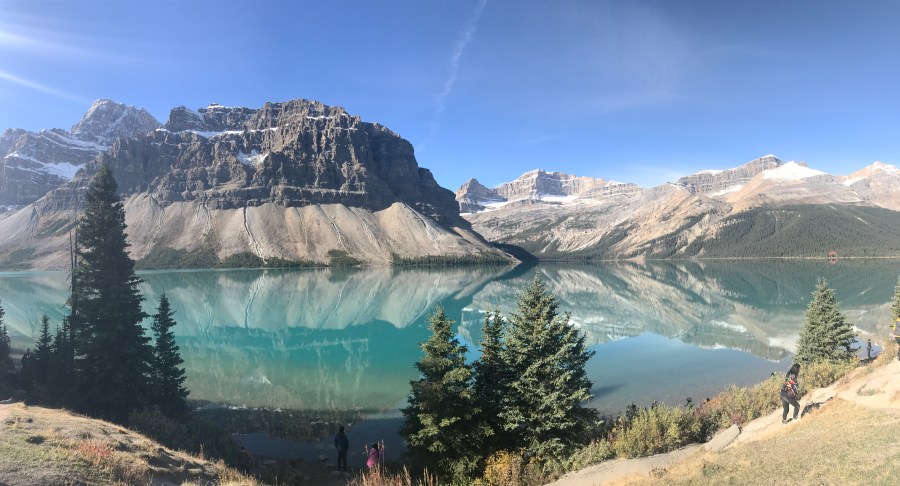
This was the first lake we came across, completely by accident. We were following the map from Calgary to Jasper on day one of our 120 adventure, and noticed a big body of water coming up on the map. This was it: Talbot Lake. Surrounded by tall trees that looked tiny against the behemoth mountains behind them. The water was glass clear, to the point that you could easily see your reflection and count the stones beneath it at the same time.

Visitor tips: This isn’t one of the big “draw card” lakes like Louise, so just pull your car over alongside the lake, and walk on down to the shore. There’s plenty of space to walk around or just sit by the water and relax for a while.


Moraine Lake

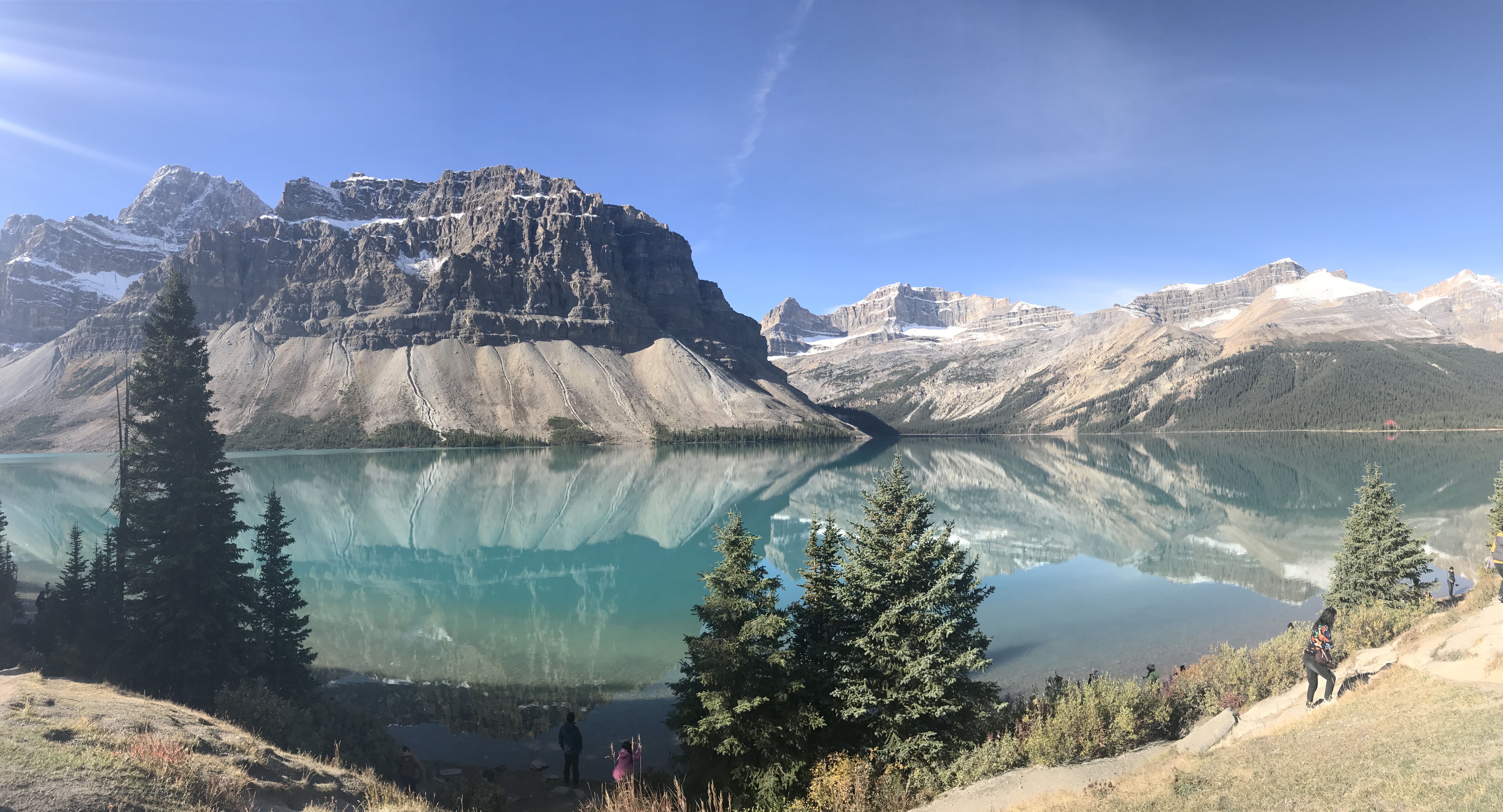
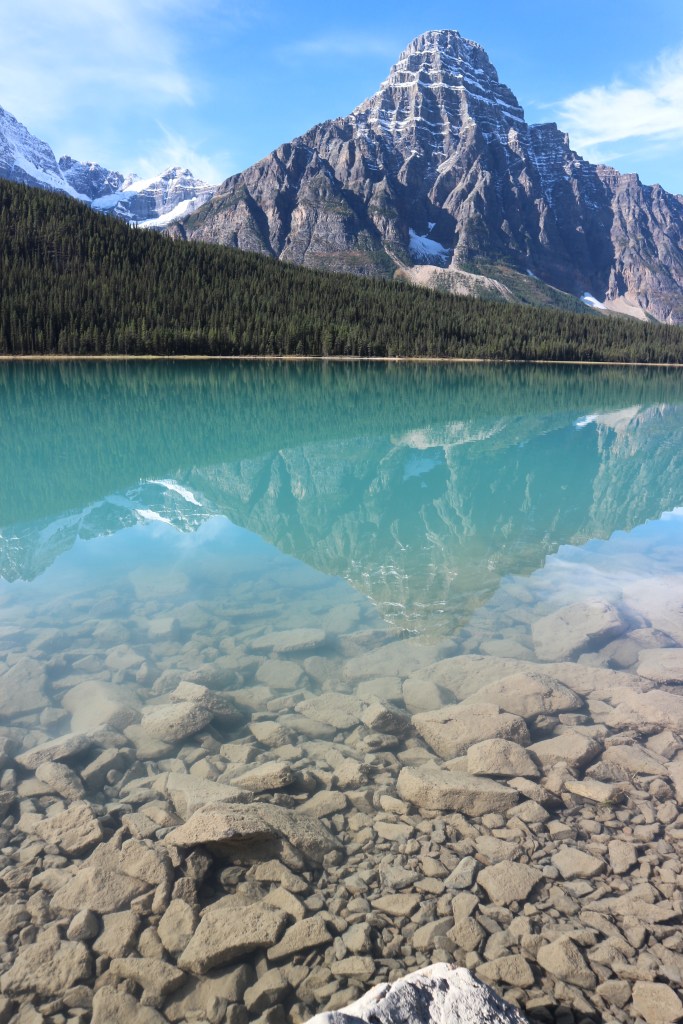
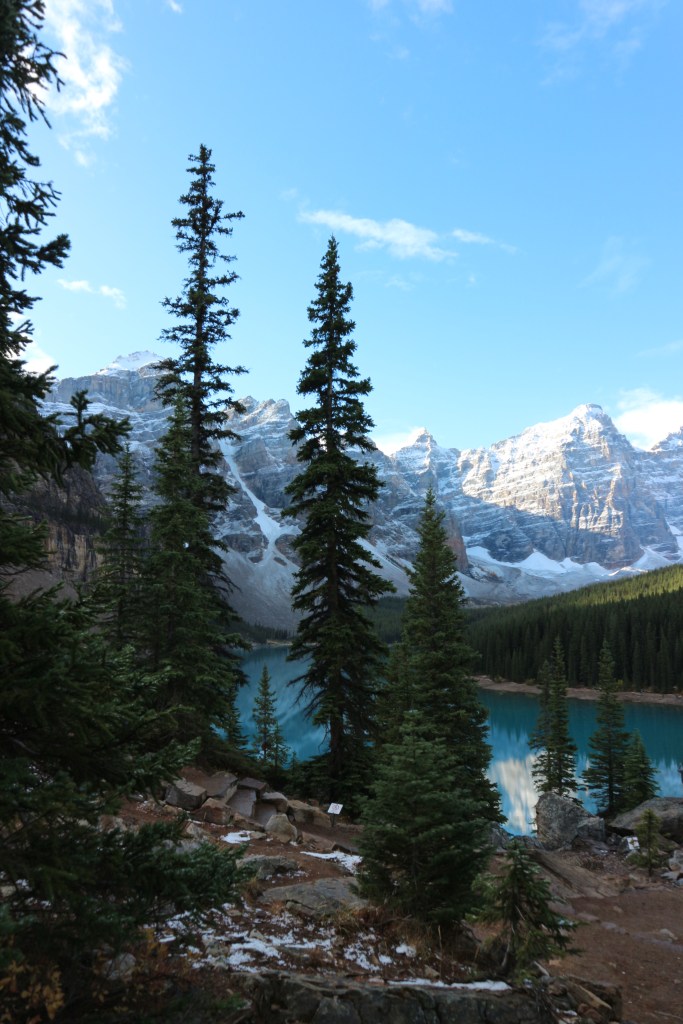
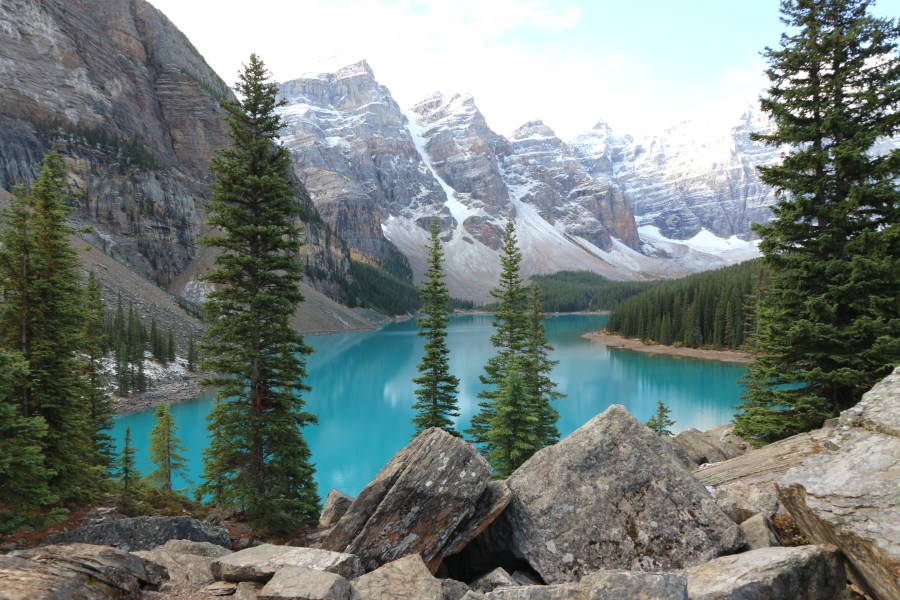
While it’s much smaller and not as publicised as the far more well known Lake Louise nearby, Moraine Lake was easily my favourite of the lot. This turquoise beauty is fed by a nearby glacier, and is tucked down in the Valley of the Ten Peaks (you can see six of them in the photo above). It is literally impossible to take a bad photo around the lake. Trust me, I tried. Once you’re done with the camera, there are quite a few hikes and walks you can take, from beginner to advanced levels, and in the nicer weather you can hire canoes and take to the water for a while. And if you really want to treat yourself, I would highly recommend a night or two at the Moraine Lake Lodge.

Visitor tips: Parking is very limited around Moraine Lake, so aim to get there before 8am. If you don’t manage to snag a car park, there are shuttles that run back and forth from a car park a bit further out, but they are seasonal, so if you’re not visiting in summer, you might be out of luck. You can find more up to date info here regarding seasonal closures. Food options are also slim pickings and quite pricey, so I’d recommend bringing your own lunch and snacks – just make sure you dispose of everything responsibly, because bears. And wear comfy shoes, because you’re going to want to walk around and see the places from a few view points!


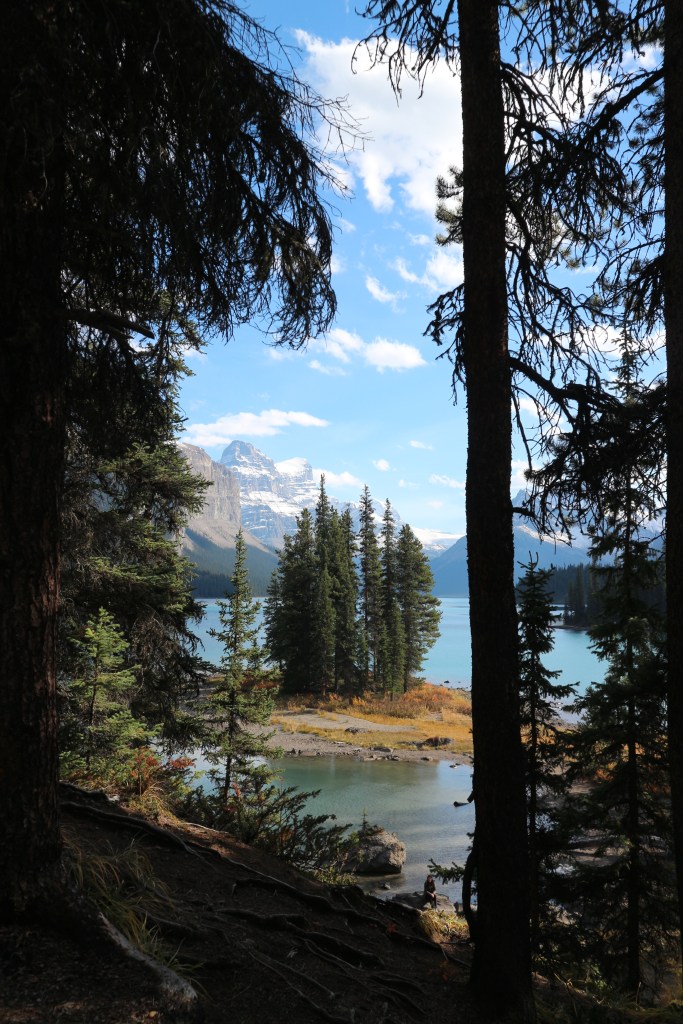
Maligne Lake and Spirit Island
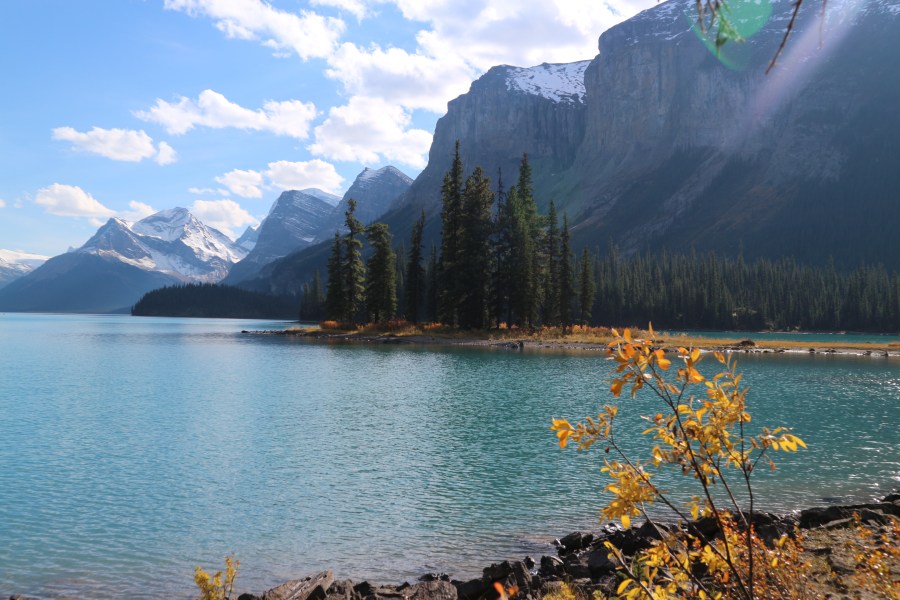
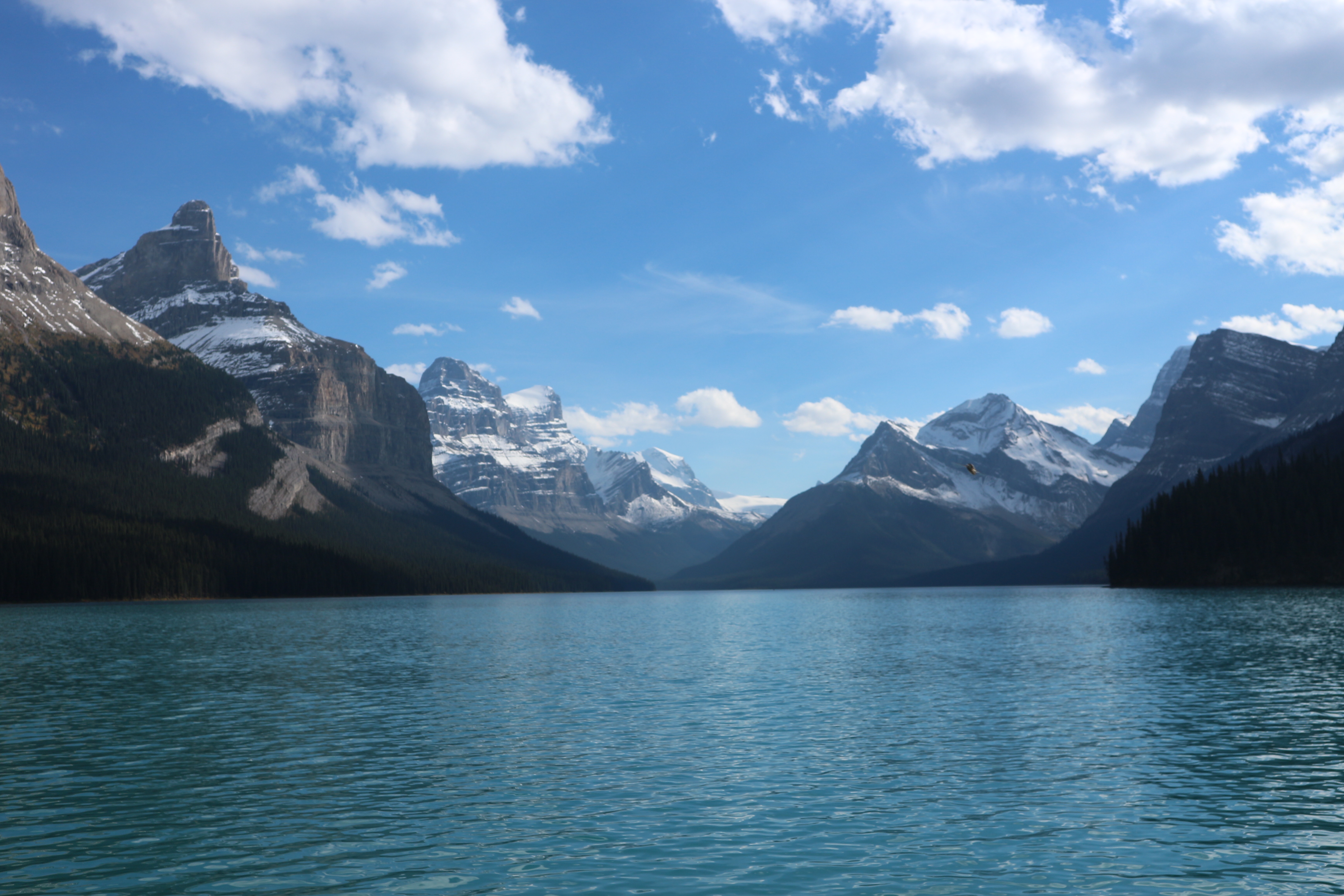
This was a bit of an accidental discovery for us. We wanted to see Spirit Island, but ignorantly didn’t know/check how to get there before we left. We drove to the general area our map told us Spirit Island was located, and found ourselves approaching signage that indicated we were at Maligne Lake. Shimmering blue under the giant Canadian Rockies, this is another lake fed by glacier flow, with a ton of great viewing points. Turns out there’s a lot more than Spirit Island there. We went out on a hike that was about an hour in each direction (there are longer and shorter ones, too), sat by the shore and relaxed with a giant chocolate chip cookie, trawled the gift shop, and took a boat tour out to Spirit Island (which is every bit as magical and beautiful as it looks in photos). Something to note is that you can’t actually go out onto the island, but chances are you want to take photos of it anyway, so being on it wouldn’t help.

Visitor tips: We arrived around midday and didn’t have any problems finding car parking, but you probably would in peak (summer) season, so as always, aim to arrive in the morning. There is a well-provisioned café on site and food was reasonably priced, but it’s not a bad idea to BYO picnic lunch, either. If you want to see Spirit Island, you’re going to be taking a cruise – you can buy tickets there, but they sell out early and you may not have many options for the time of the cruise on the day. A safer bet is to book online in advance. You’ll enjoy some phenomenal views on the lake, and get a good 15  – 30 minutes (depending on your tour option) at Spirit Island to take your photos and enjoy the peace & quiet. 


Lake Louise
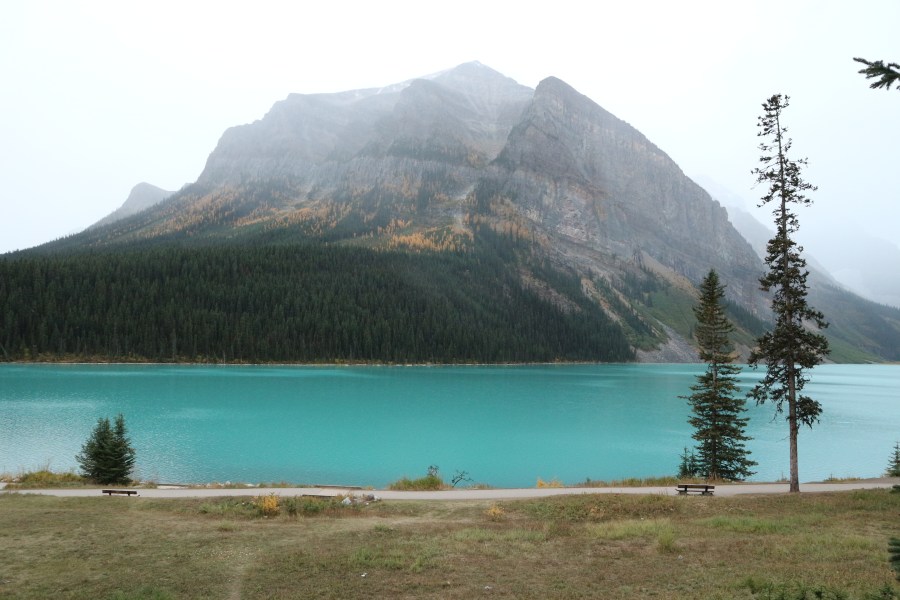
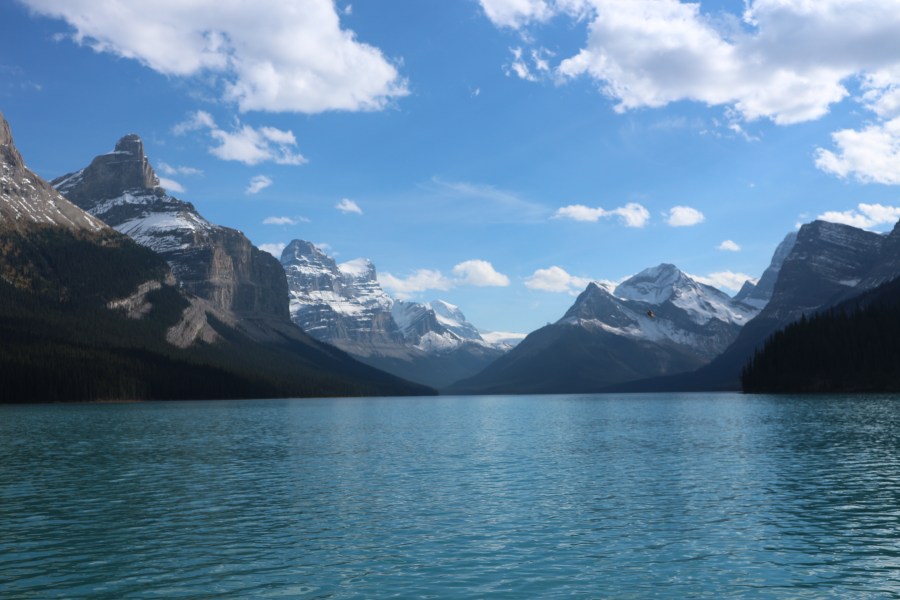
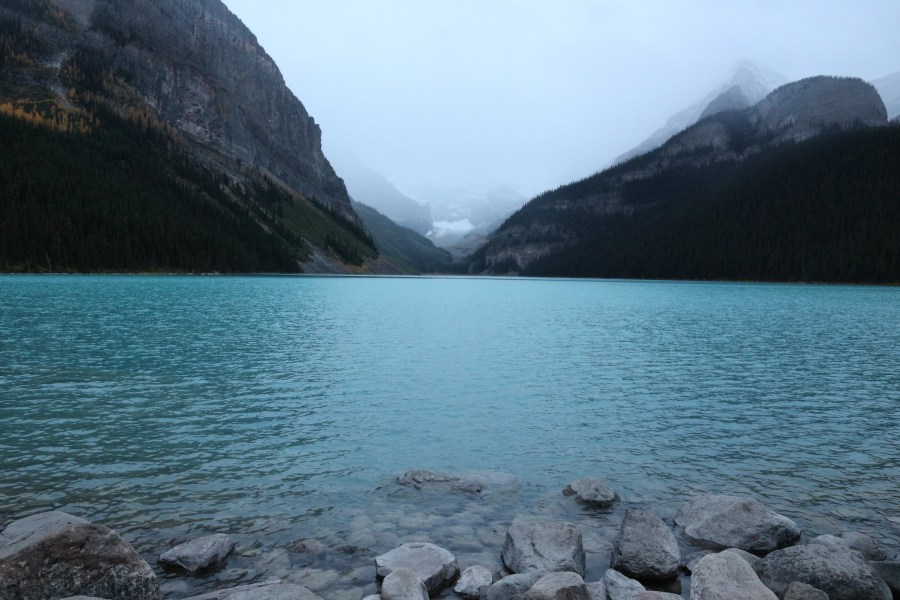
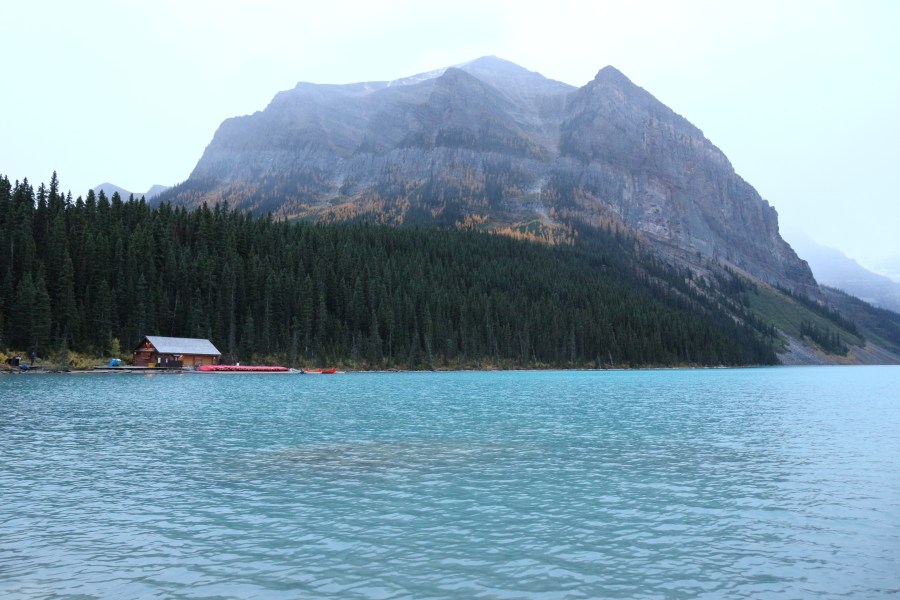
This is the one everyone’s heard of, and she is just as beautiful as everyone says. We decided to forgo a sleep in and made our way out early, arriving around 7.30am – there were only a handful of other cars when we arrived, but it got busy pretty fast. You have to take the photos, but once you’ve snapped a few, put the camera away, and start walking. It’s a big lake, and the walk along it is really something to see with your own eyes. When you’re ready for a break from walking, you can take the gondola and see it all from above, and even if you can’t afford to stay at the Fairmont on the lake, you can still take a seat at the café and enjoy your tea with a view.

Visitor tips: Arrive early – 8am at the latest. Like Moraine Lake, if you miss a car park, there are seasonal shuttle options. The Fairmont’s café options were actually really good, both quality and pricewise, so don’t think you need to lug food around here. Comfy shoes again are a must, because there’s a bit of walking to do in the area. I’d also recommend pre-booking the gondola if you want to ride at a certain time, especially in peak times, as the lines are long and there are no guarantees.
A Quick Guide to Ameyoko Market, Tokyo

Ameyoko Market and shopping street
Wedged in between JR Okachimachi Station or JR Ueno Station


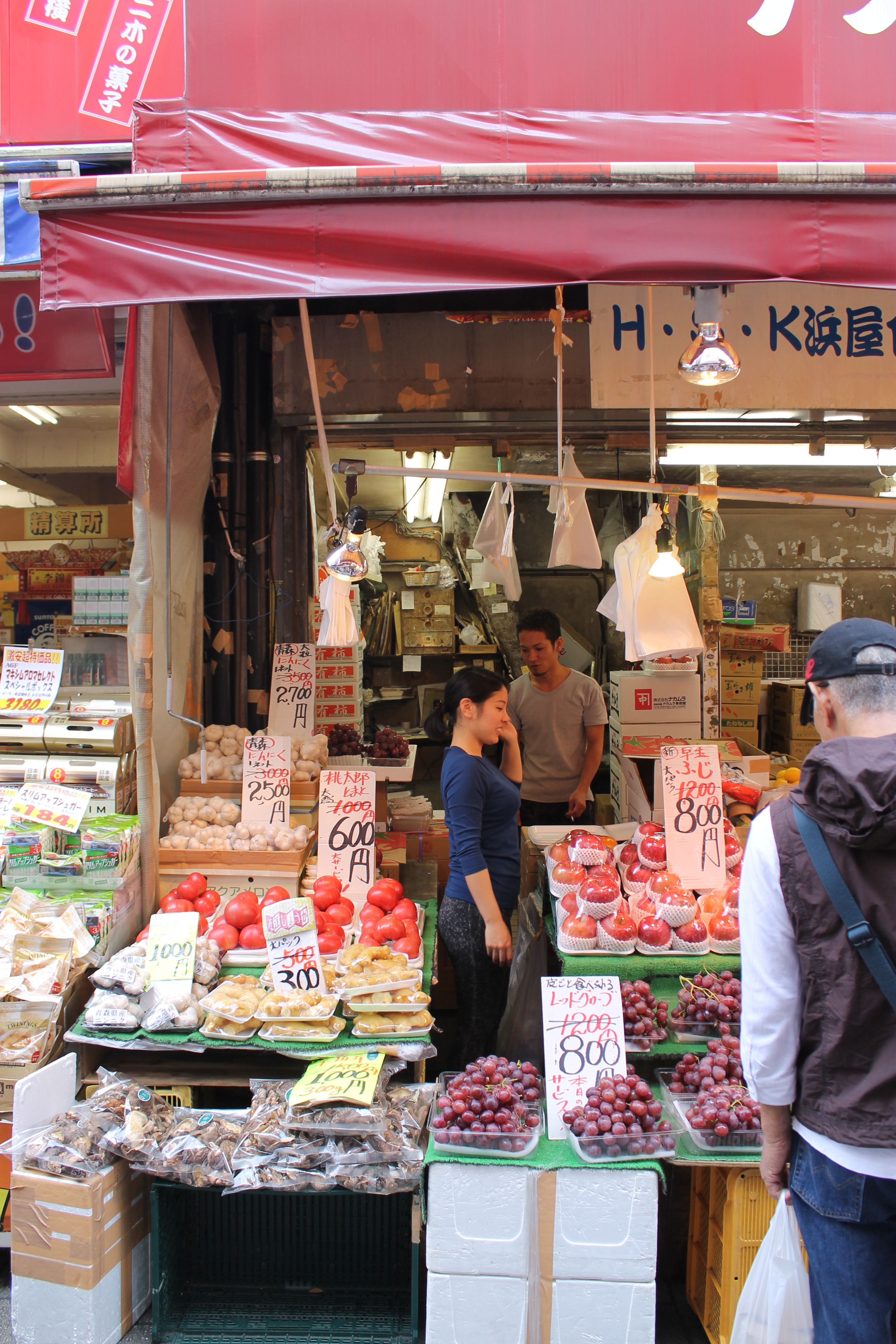
Tokyo’s Ameyoko Market is a rabbit warren of streets that are home to 500-odd stalls, selling everything from dried fish to nail polish. It was originally opened as a black market post-war, but it’s visited by what seemed like everyone in the city now.

Where is it?
The area it’s located in can get a little confusing, so hopefully this map makes it a bit easier to navigate. I’ve marked on it where I took the photo above, standing at that Y-shaped intersection where the road diverges into two. Those are your two main shopping streets, with others intersecting and cutting across them.


How do you get there?
Via subway – it’ll depend where you’re coming from, and you can use this nifty map to work it out, but the closest stations are Ueno-Hirokoji on the Ginza line, and Ueno-Okachimachi (literally across the road) on the Oedo line.

What should I shop for?
There’s not much you won’t find there, but there are a few things that are particularly popular:
– Golf gear: there are more than a dozen multi-level golf shops, selling clothes, shoes, clubs, bags, and even lessons.
Athletic wear and shoes: they’re an active bunch, so probably no surprise that you can find a lot of stores selling training gear (gym shoes, clothes, etc).
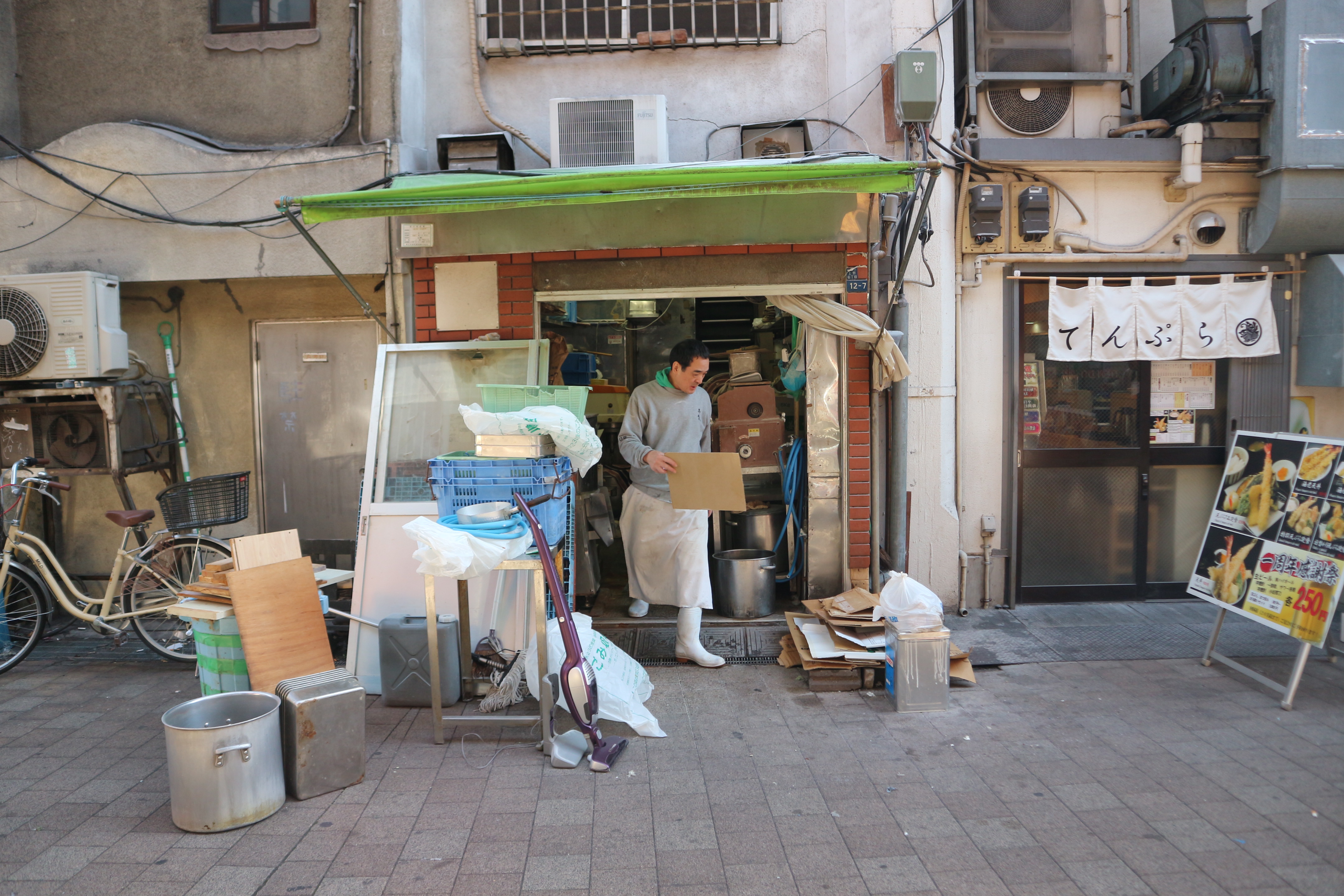
– Fish: fresh fish and dried fish, they’ve got it all. If you’re looking at taking some of the packaged, dried stuff home, best check if you’re actually allowed to take it through customs before you stock up!
– Packaged snacks: there are a couple of mega-stores absolutely full of snack foods. Chips chocolate and crackers and lollies in flavours you never imagined could exist.

Do you barter?
Honestly, I didn’t bother, for a few reasons:
a) The prices are marked and already very reasonable.
b) Language barrier.
c) The Japanese are just so damn polite and likeable that I didn’t want to rip them off!

When is the best time to go?
Around 12pm is a good time to go – most of the stores should be open by then, but it’s not so hectic yet that you can’t walk around comfortably. Most casual eateries are already open and the restaurants are still getting ready for the lunch rush which is good, because you’ll want to have eat there.

What should I eat?
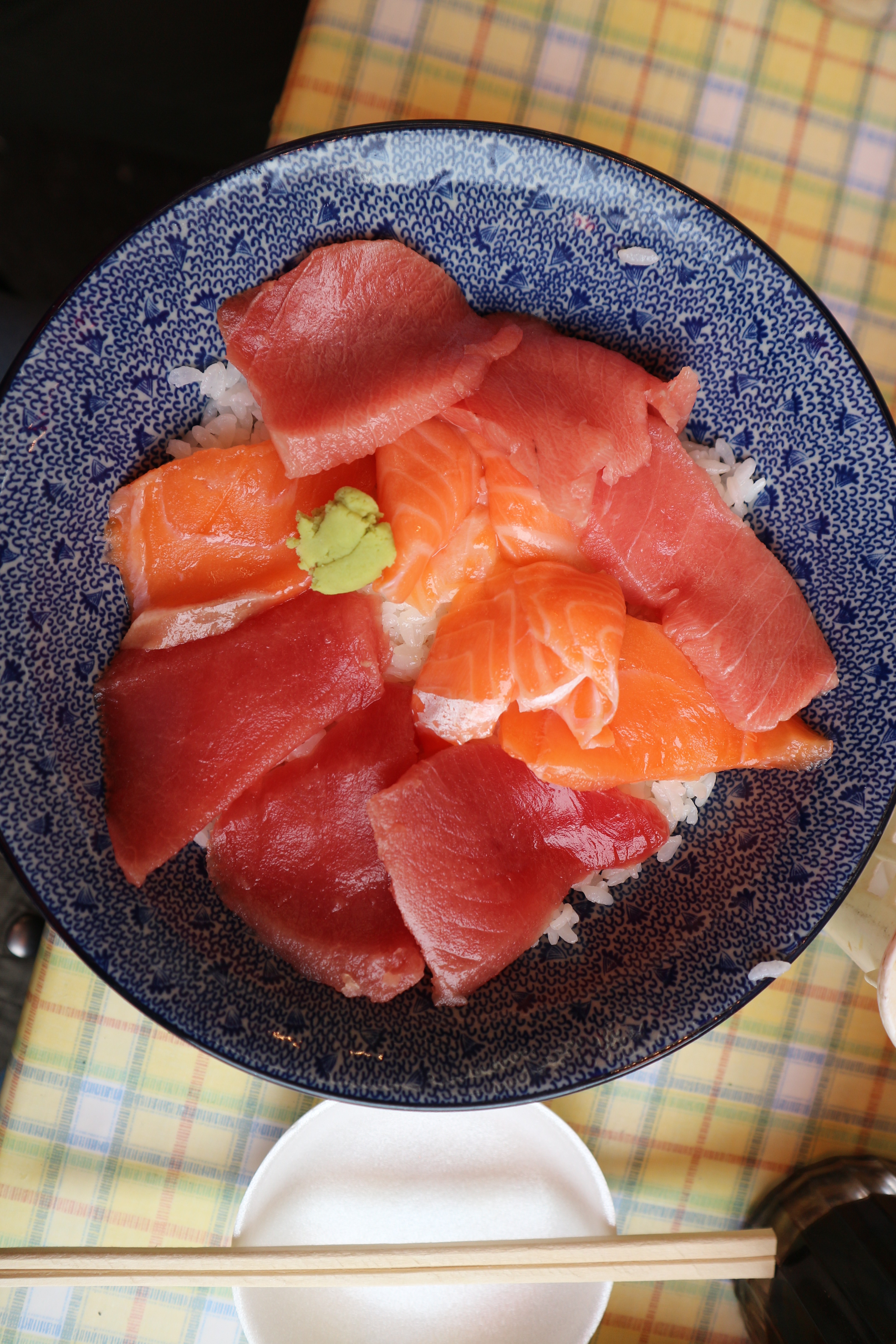
A sashimi bowl from the place in the photo above. It’s cheap, it’s market fresh and it is delicious. My bowl of fresh tuna, fatty tuna and salmon on sushi rice cost about AUD$10.00, and it was magnificent. If raw fish isn’t your jam, they cook up gyoza and tempura, too. Next door is an Osaka-style takoyaki stand if you fancy something a bit different. And then head back for a matcha soft serve. Just try to get a seat outside if it’s a hot day – the tiny little kitchen gets pretty warm…

Normally I’d say anywhere at the market is good for eating, but there are actually some really touristy places here I’d highly recommend steering clear of. General rule of thumb is if you walk past and someone walks after you waving a menu in your face and telling you that you must try their blah blah blah, don’t bother. If the food is good, they won’t chase you down to eat there because there will already be a line at the door.

If you have room for dessert, look for the taiyaki stand. Creamy smooth vanilla custard inside a golden crisp fish-shaped waffle. The perfect hand held market food.

How do I pay for stuff?
It’s a market – cash is king. If you’ve forgotten to bring some with you, just look for the green and blue Family Mart sign (they’re on every second corner), which should have an ATM inside.


When I’m done shopping, what else is there to do?
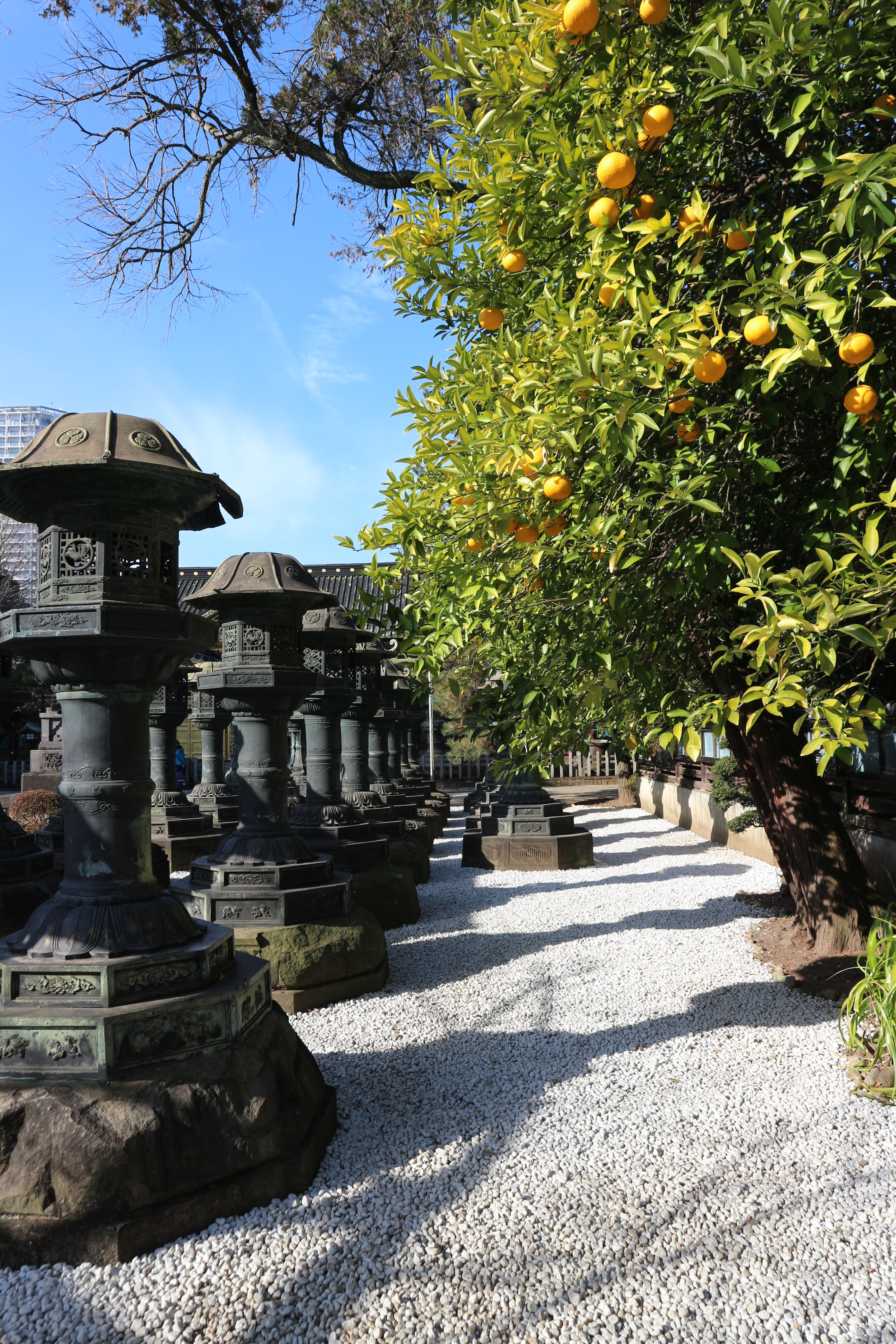
Head up to the Ueno Imperial Grant Park to walk off all that sashimi – it’s a short walk away, and the grounds are gorgeous. There are several pagodas and shrines on the grounds, museums, and even a zoo. And, if you time it right, cherry blossoms.