Eating the city: Berlin, Germany

It’s not all beer, meat and potatoes… well, I mean, there is a lot of that, but there’s other stuff, too.

Potato dishes

Why get it:
Germans do potato particularly well – there’s a lot more to it than mashed potato with meat. Dishes like this one from Zur Rose make it a kind of replacement for pasta, without making it exactly like gnocchi.
We got ours from: Zur Rose, Weinbergsweg 26, Berlin 

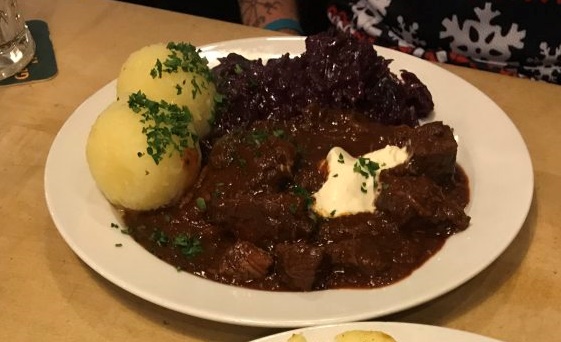
Goulash and potato dumplings
Why get it:
When you’re travelling through Germany in winter, you want warm, hearty comfort food. That’s goulash with the aforementioned mashed potato. It may look like dog food, but the meat is fall-apart-in-your-mouth soft, the sauce is rich, the sauerkraut is the perfect food to cut through the richness of the goulash, and mashed potato is always a welcome addition.
We got ours from: Georgbräu, Spreeufer 4, Berlin


A cured meat and cheese breakfast spread

Why get it:
It’s not all rich, hearty food – places like Alpenstück are breaking the stereotype with some really basic but delicious options for the modern traveller. Everything is so fresh and simple, it’s the perfect change from the typically heavy meals you’ll eat later in the day.
We got ours from: Alpenstück Bäckerei, Schröderstraße 1, Berlin


Pork knuckle
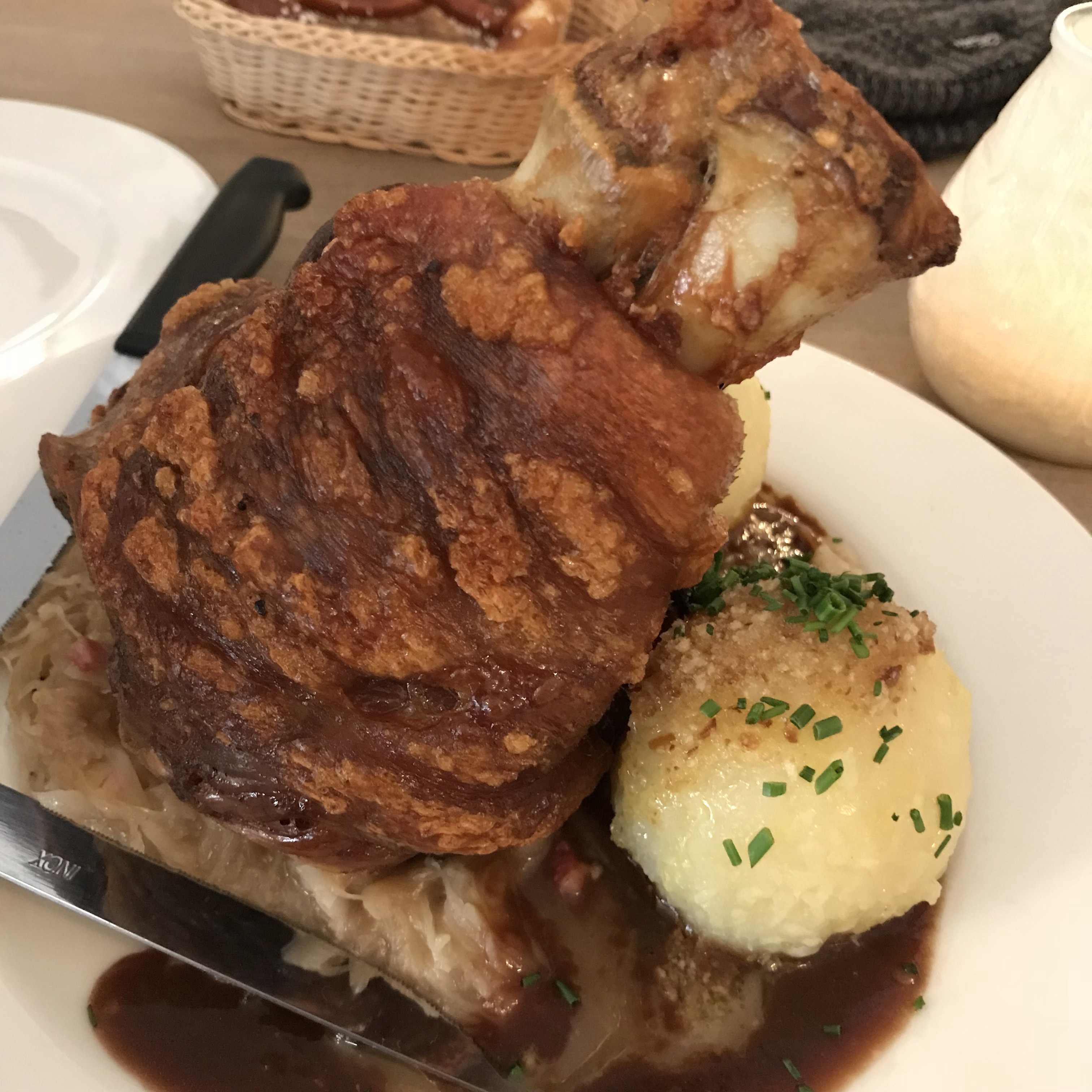
Why get it:
For that heavy meal later in the day, you can’t beat a crispy-skinned pork knuckle. This is the quintessential German plate of meat: juicy, soft pork under a crispy, salty layer, sitting on yet more sauerkraut with a side of yet more mashed potato. Sounds like it’d be getting repetitive, right? Wrong.
We got ours from: Weihenstephaner, Neue Promenade 5, Berlin


Traditional German sweets
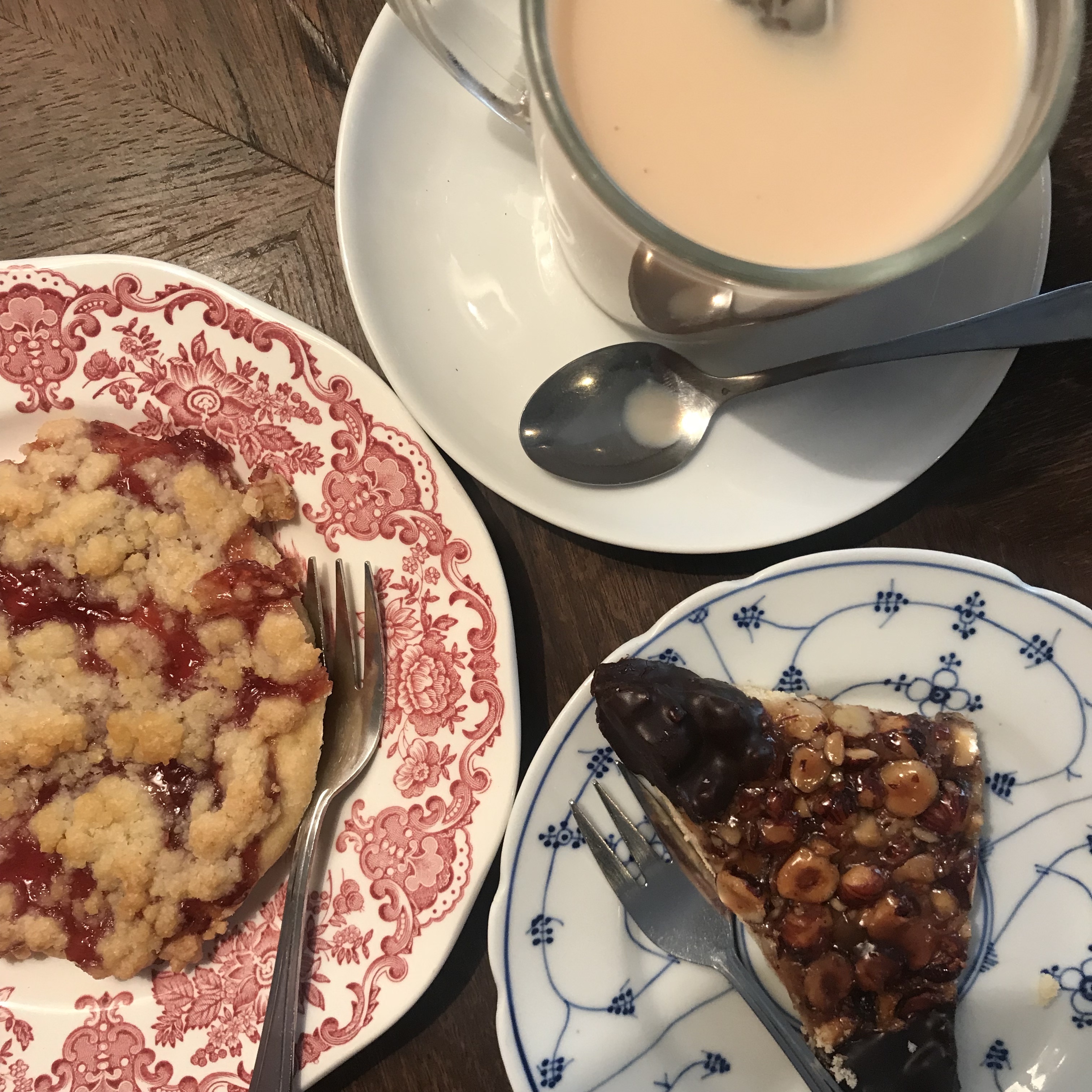
Why get it:
After all that meat and potato, you’ll be wanting some sugar to balance things out. And Germany does sweets just as well as they do meat and potato. Some delicious options to look for are strudel biscuits – basically a jam covered butter biscuit with ‘crumble’ on top, and nussecken, an absolutely delicious nut/apricot jam/chocolate concoction that you really have to try.
We got ours from: A tiny little café that I can’t remember the name of… sorry!
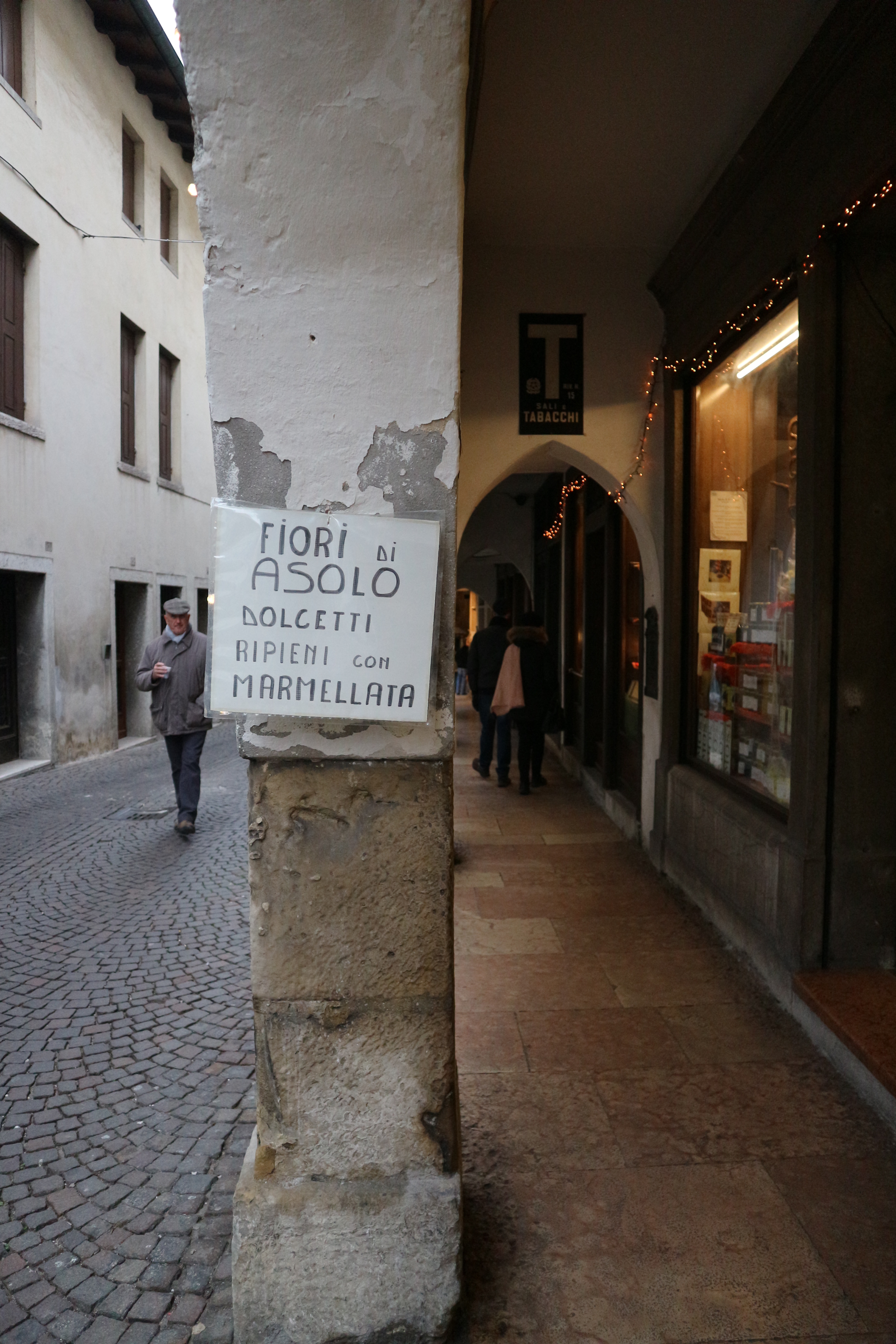
Asolo, Italy

I’m really lucky to have parents hailing from opposite ends of the same country. The north and south of Italy are quite different, and I’ve had wonderful opportunities to see both. Mum’s side of the family are from the north, up near Venice, so I really wanted to show some of the little towns and villages in the area that most people who visit Venice never get to. While the island is obviously incredible, I wonder how many people would kick themselves if they knew what they were missing on the mainland…

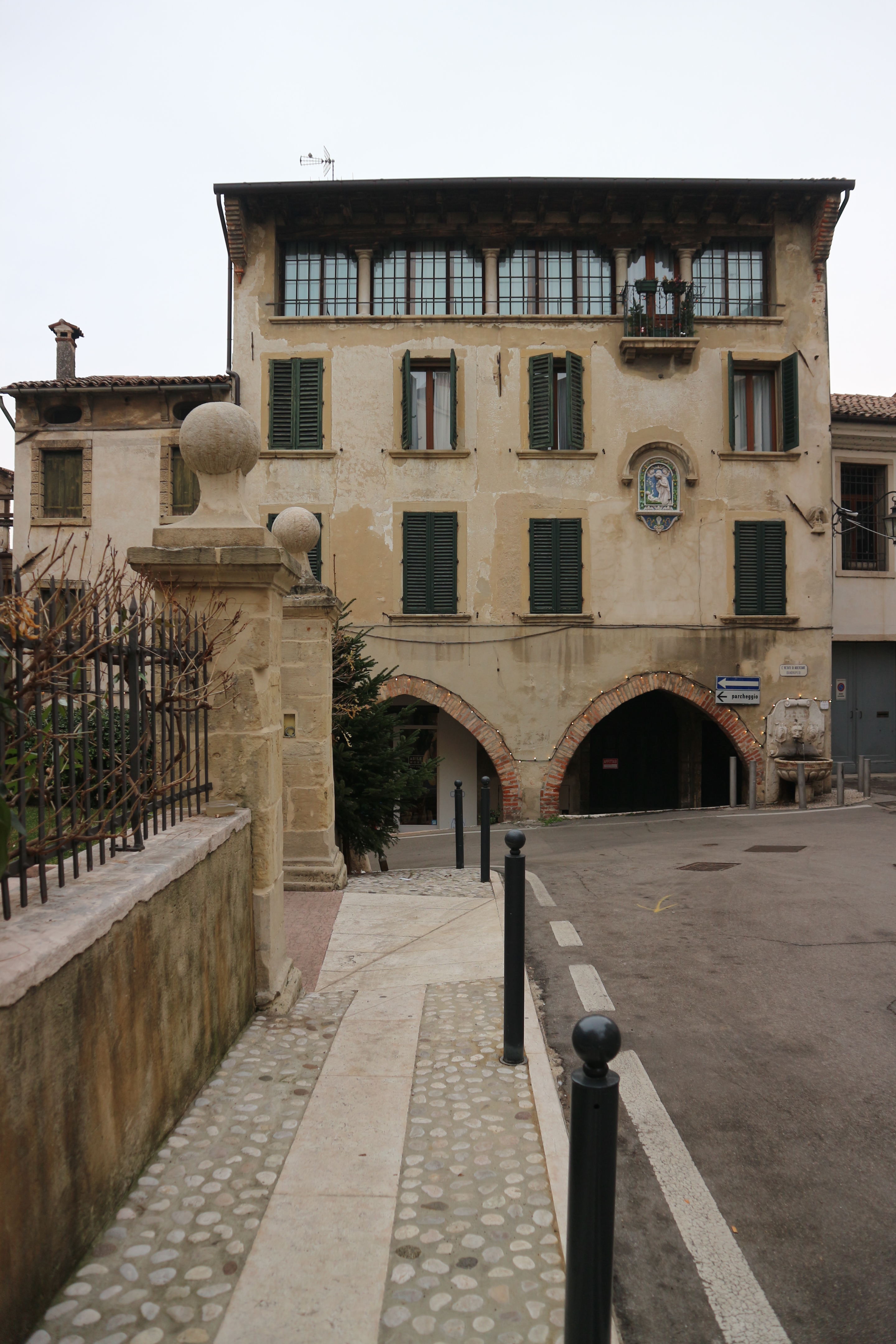
Asolo is one of those little towns up in the foothills of the Dolomites that you picture when you think to yourself “how gorgeous it must be to hire a car and just drive and explore little medieval cobblestoned villages.” Dating back to pre-Roman times, Asolo has been around for a very long time, and hopefully won’t be going anywhere soon. And getting there is as easy as leaving the Venice islands for the mainland and hiring a car.

With cobbled streets, creeping greenery, delicious food in windows, remainders of medieval buildings, and seriously stunning views, it’s easy to see why so many artists and writers find their way there. Dame Freya Stark, explorer, traveller and writer, was one of those – she visited Asolo for the first time in 1923, eventually retired there, and passed away a few months after her 100th birthday there. That’s her villa in the photo below…

Asolo is one of those towns that managed to retain all of its old-world charm while Venice was being slowly commercialised and destroyed by tourism. They don’t get a heap of visitors, comparatively, and it’s so much more beautiful for that (so if you visit it, please do so respectfully!) – it’s the sort of place you want to find a little table balanced on cobblestones to sit at while you drink wine, a place you’d want to visit with a sketch book and pencil, even if you can’t draw. The fact that there isn’t a heap of big tourist attractions to see and do there is what makes it such a great place to visit as a break from the chaos that can be Venice.

Charles Bridge, Prague

As one of the most well known sights in Prague, you’ve the probably seen the Charles Bridge in many an Instagram picture, flooded with tourists. Read plenty of blog posts advising you to get there early to avoid said crowds. Heard that the best view is to be gained after climbing the tower at the end of the bridge. You’ll have read dozens of Facebook captions about just how amazing it is. I want to give you a bit of a different post about Charles Bridge.

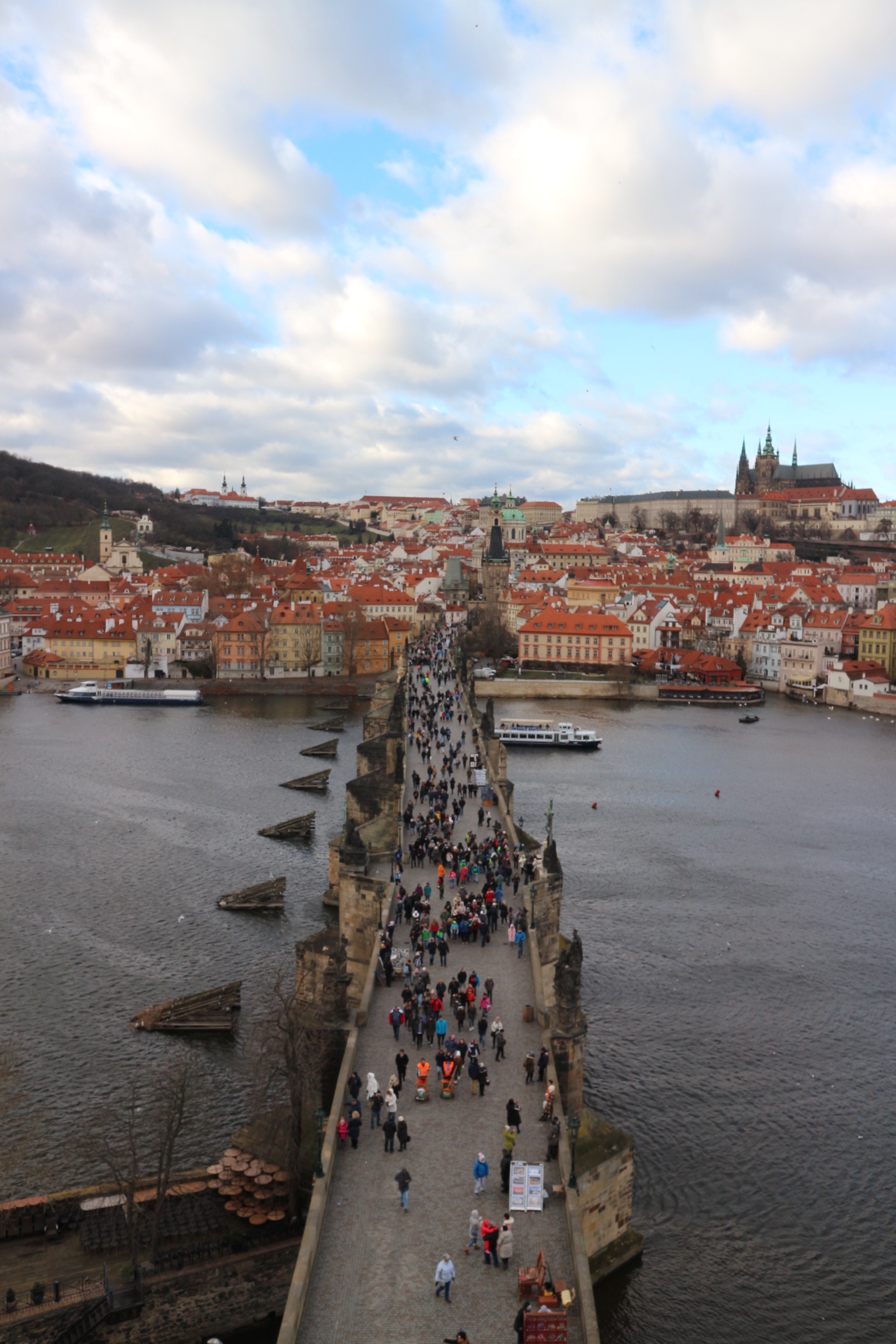
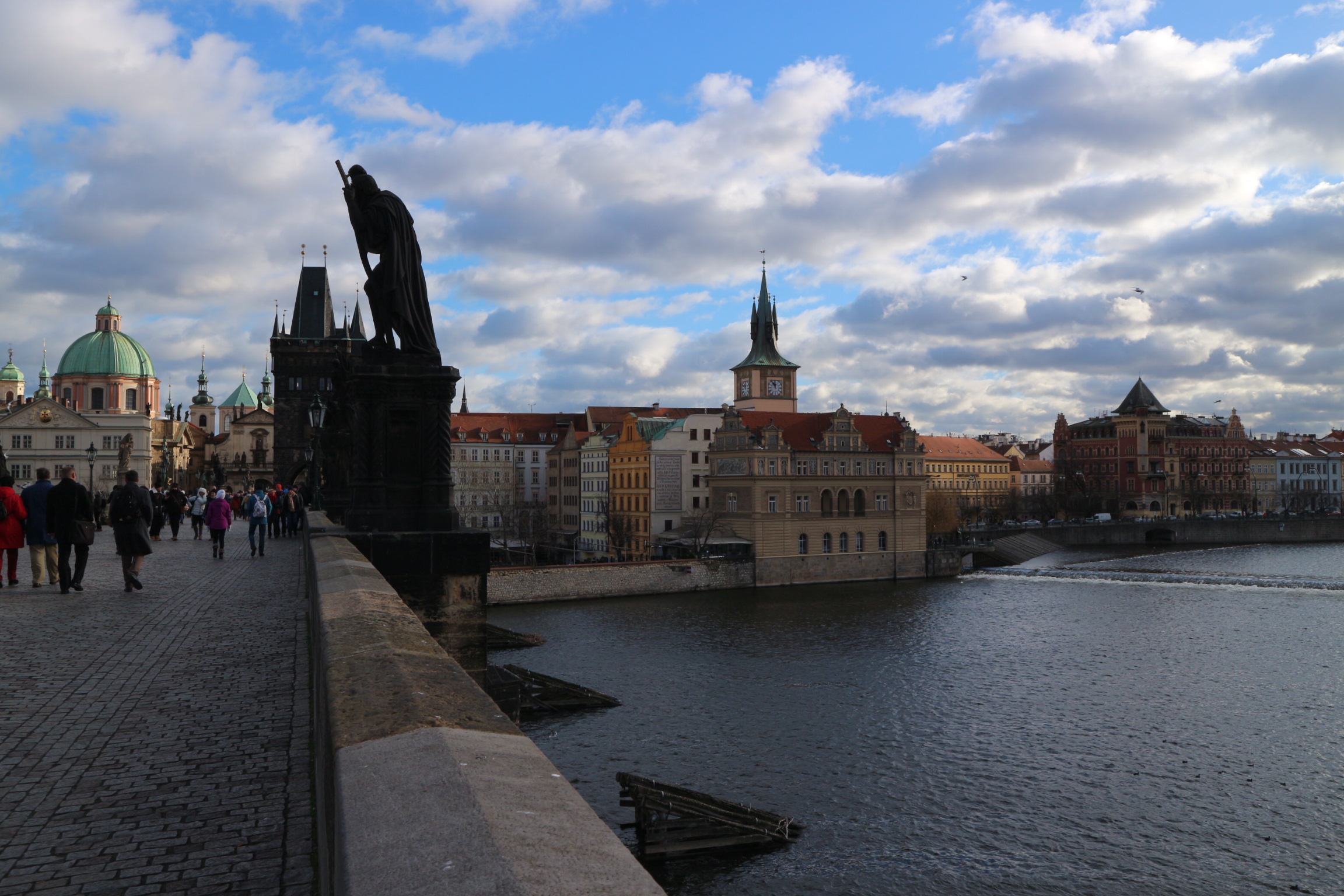
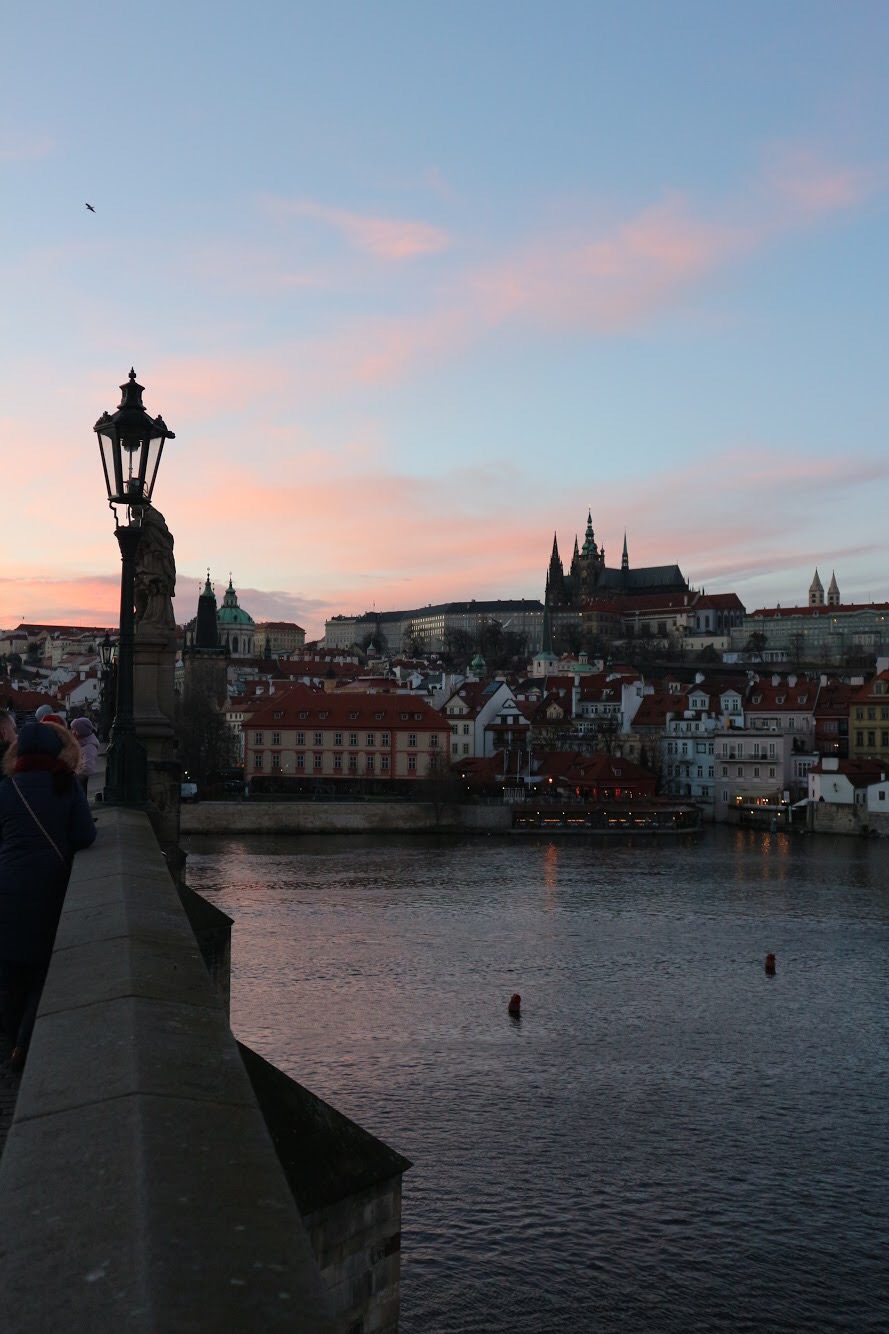
I’m a bit of a history nerd. Before I travel somewhere new, I like to read up on the place’s history. One of the books I found on Prague was ‘The Story of Prague’ written by one Count Francis Lützow in 1902. I imagined in a city as old as Prague, there probably wouldn’t be a huge amount of differences in the city’s basic structure since Count Lützow wrote his book, and thought it’d be interesting to see parts of the city under his 1902 guide. I’ll write more about his walking tour that we followed, but for now I thought I’d share some of his words on Charles Bridge, along with some of my images, taken 115 years after he wrote about it…

… there has been a bridge on or near the spot where the present edifice stands from very early times. Ancient chroniclers write that when, in 932, the body of St. Wenceslas was conveyed from Stará Boleslav, where he was murdered, to St. Vitus’s Church at Prague, those who carried the body, ‘hurrying to the river Vltava, found the bridge partly destroyed by the floods.’

When, in 1157, the floods had entirely destroyed the wooden Bridge of Prague, Queen Judith, consort of King Vladislav I., caused a new stone bridge to be erected at her own expense…

In the winter of 1342 the Bridge of Judith was destroyed by the floods, and for a time a temporary wooden bridge, partly founded on the remaining pillars of the stone bridge, alone connected the two parts of Prague. This bridge naturally proved insufficient, particularly after Charles IV. had founded the new town of Prague. In 1357 that King undertook the building of the present bridge. It was… only completed in 1503.

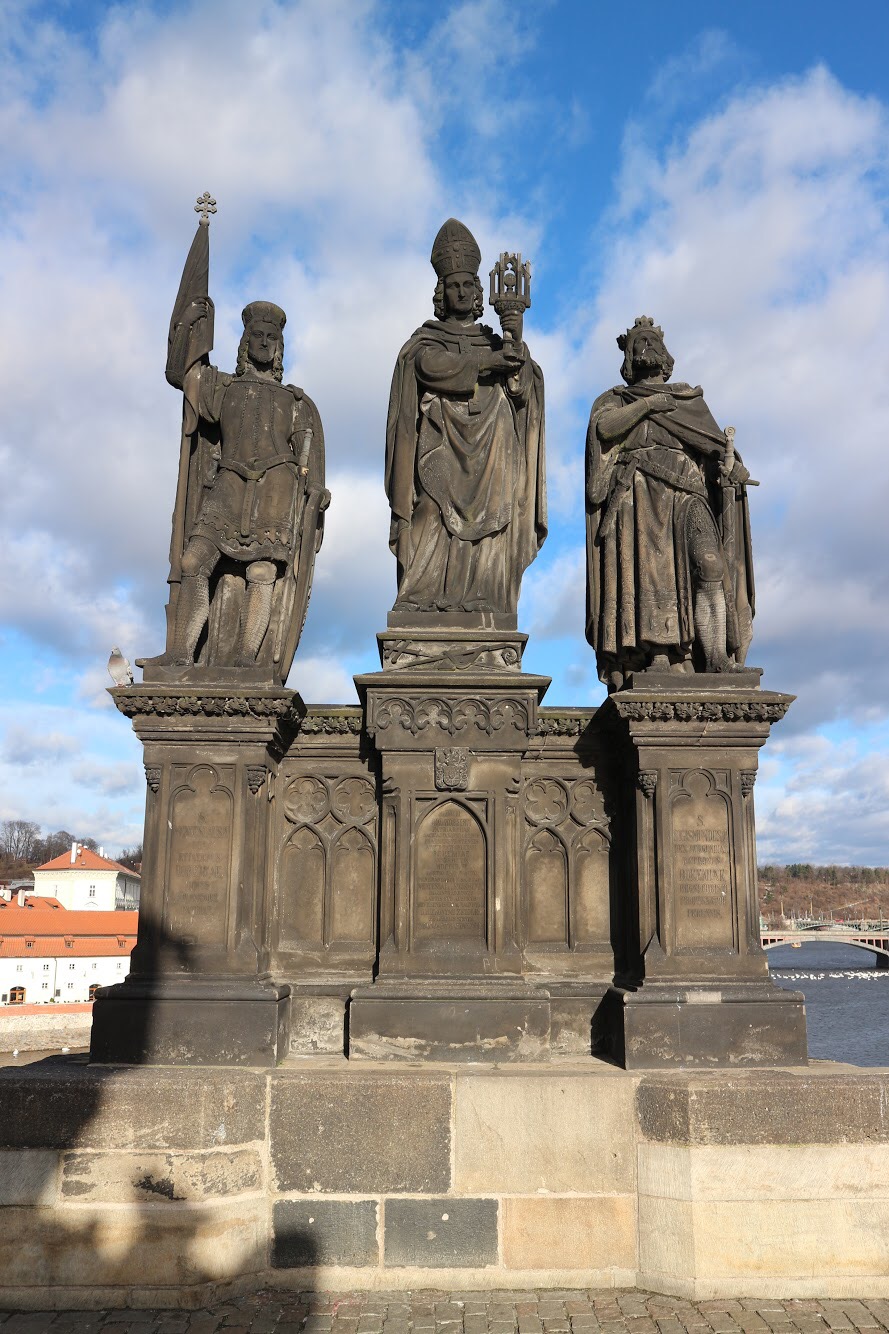
We first pass under the bridge tower of the old town, which is decorated with statues of the Bohemian patron saints and with the coats of arms of the countries that were formerly connected with Bohemia as well as that of the old town itself.
The statues that now ornament the bridge formed no part of the original structure. As can be seen in ancient engravings, a crucifix only stood on the bridge at first. Rudolph erected statues of the Madonna and of St. John, and the others were gradually added, principally during the period of Catholic re-action in the seventeenth and eighteenth centuries.

A One Day, Self-Drive Guide to the Snæfellsnes Peninsula in Iceland

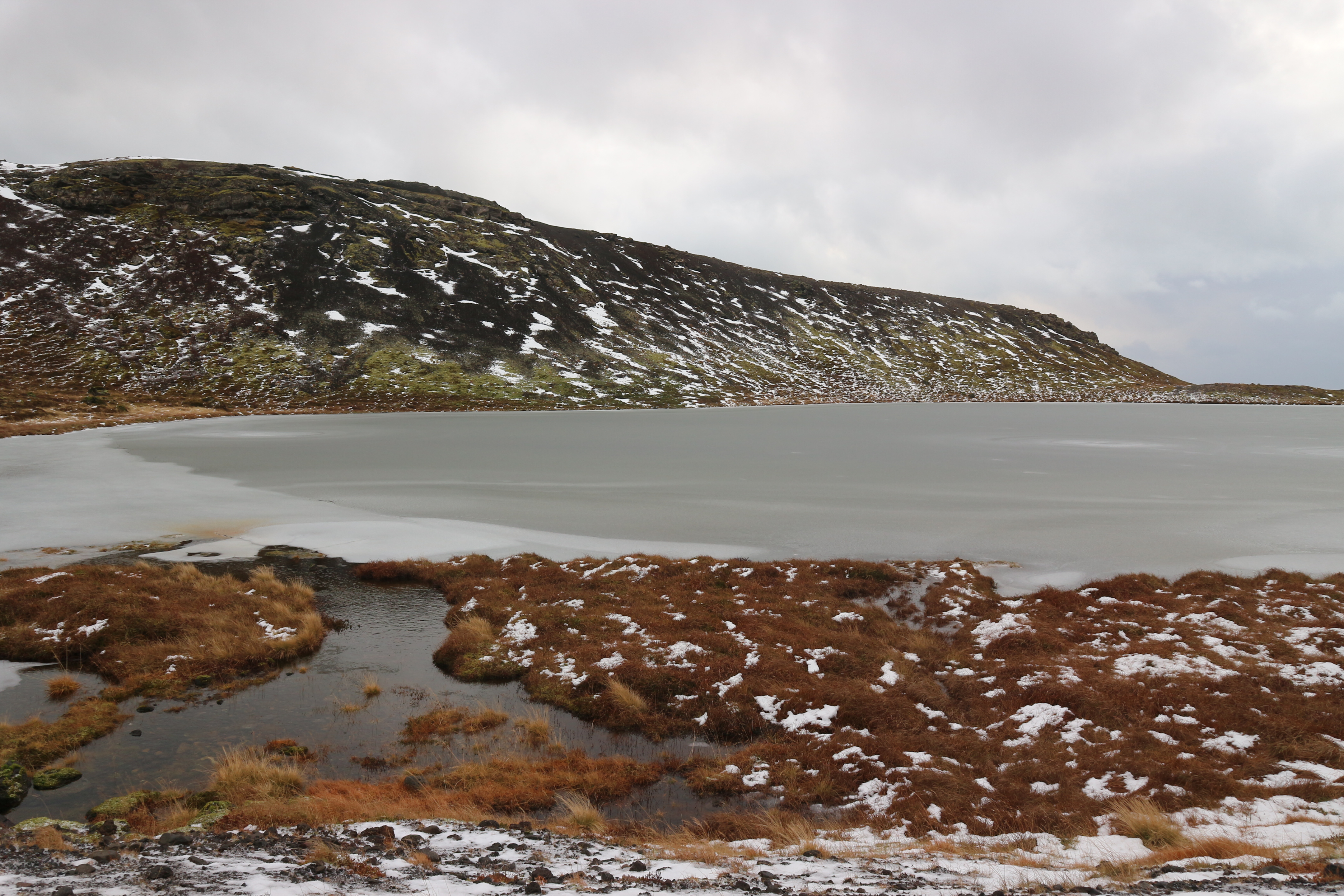
Iceland’s a small country, which means it is the perfect place to ditch the organised tour groups and drive yourself around. Now, we visited in winter, which made the driving conditions challenging on a few occasions. Like the night we arrived just before an Arctic snowstorm hit, and our projected 2.5 hour drive ended up taking 5 hours and we almost died. That’s a story for another day. But Arctic snowstorms aside, it’s actually a really easy place to drive yourself around, so I’m going to show you how you can day trip the Snæfellsnes Peninsula in a day without a tour guide!

I’m sure you’ll be able to get your paws on a slightly more accurate map, but this is the one I drew in my travel journal at the end of our day, which should (hopefully) give you a pretty good indication of where things are – the area isn’t too big so you should be able to find everything!

Airbnb in Hellissandur
We stayed in Hellissandur, which is a tiny little village which is starting to get a bit more attention from tourists. The Airbnb we stayed in was a beautiful two bedroom home with wonderful amenities and really lovely hosts, which I’d highly recommend –  if anyone wants the details, just email me! While the village itself is really small, the location makes it a perfect place to base yourself while you tour the Peninsula.


1. Ruins by the water

These had no signposts or descriptions, and I couldn’t tell you what they were from, but there were some remainders of old stone structures with a view out over the water. The area was completely deserted, so we figured we’d stop for a look around.


2. Djúpalónssandur Beach

Like so many other parts of the Peninsula, Djúpalónssandur used to be populated by fishermen. You’ll find a pebbly shore, lava formations and a beautiful view. Just stick to the paths, as much for your own safety as for the flora around the area.


3. Lóndrangar Cliffs
Volcanic basalt columns popping up out of the water in a castle-looking formation, you can walk down to get a little closer (as long as you’re careful!), and if you visit at the right time of year, you may get to see some puffins.


4. Arnarstapi

Another little fishing village sitting below Mt Stapafell, Arnarstapi is one of those places worth visiting just to look at. The little houses look like doll houses under the massive mountains and endless sky, the basalt cliff faces make for a pretty imposing sight, and the sculpture of Bárður looks like something straight out of the sagas.


On the drive…

Honestly, we took a lot longer to drive the Peninsula than we needed, because we just kept pulling over when we came across sights like these.


5. Búdir

Not even a town, Búdir is a tiny hamlet located on lava fields, and is probably best known by tourists for it’s black church – which is especially striking in winter, when almost everything around it is white.


6. Bjarnarfoss

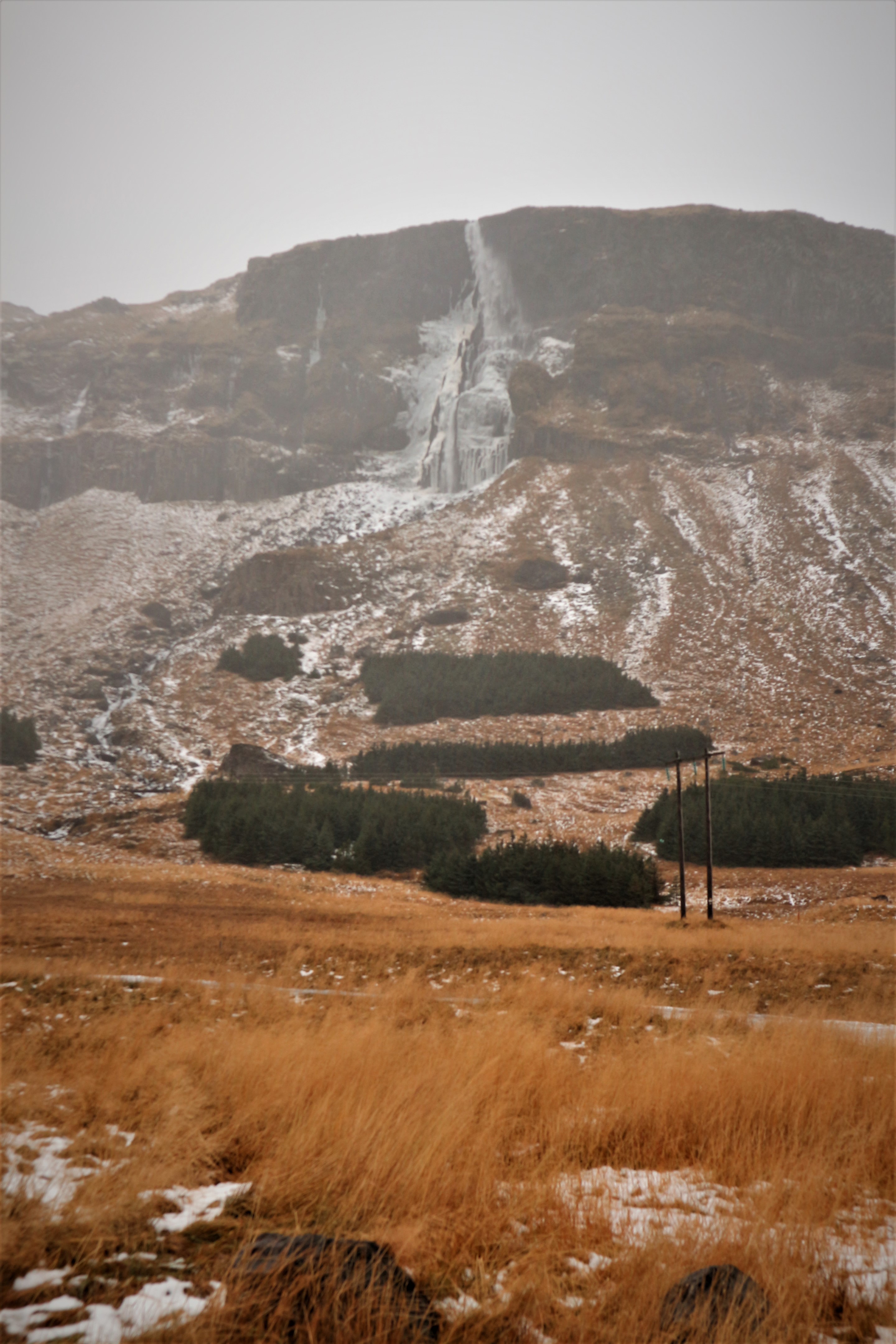
Iceland is known for it’s incredible waterfalls, like Bjarnafoss. Around 80m high, it’s easily seen from the road, but you probably won’t be able to get too close because the waterfall is actually located on private property.


7. Grundarfjörður and Kirkjufell

At this point in the day, we were getting a little cold and tired, and decided we’d need a time out if we were going to stretch the day out a little longer. On the way to see the 463m high Kirkjufell, we stopped in the little town of Grundarfjörður, where we found Kaffi 59, a cute little bistro that had hot tea and coffee and delicious chocolate cake for us to recharge with.


8. Ólafsvík
Last stop on our way home was in Ólafsvík for a grocery run. Eating out in Iceland isn’t cheap, so grocery stores were essential for us. With enough instant noodles, frozen veggies and snacks for dinner and the following day’s road trip stacked up in the back seat, we were on our way back to a hot shower after a long day on the road.


We obviously only just skimmed the surface, and there’s plenty more to see and do around this area, but we had to skip a few things because of spotty weather. But following that path should give you a great taste of the Snæfellsnes Peninsula, and allow you to discover a few more treasures on your way!

Photo Journal: Graceland Cemetery, Chicago

Graceland Cemetery
4001 N Clark St, Chicago
https://www.gracelandcemetery.org

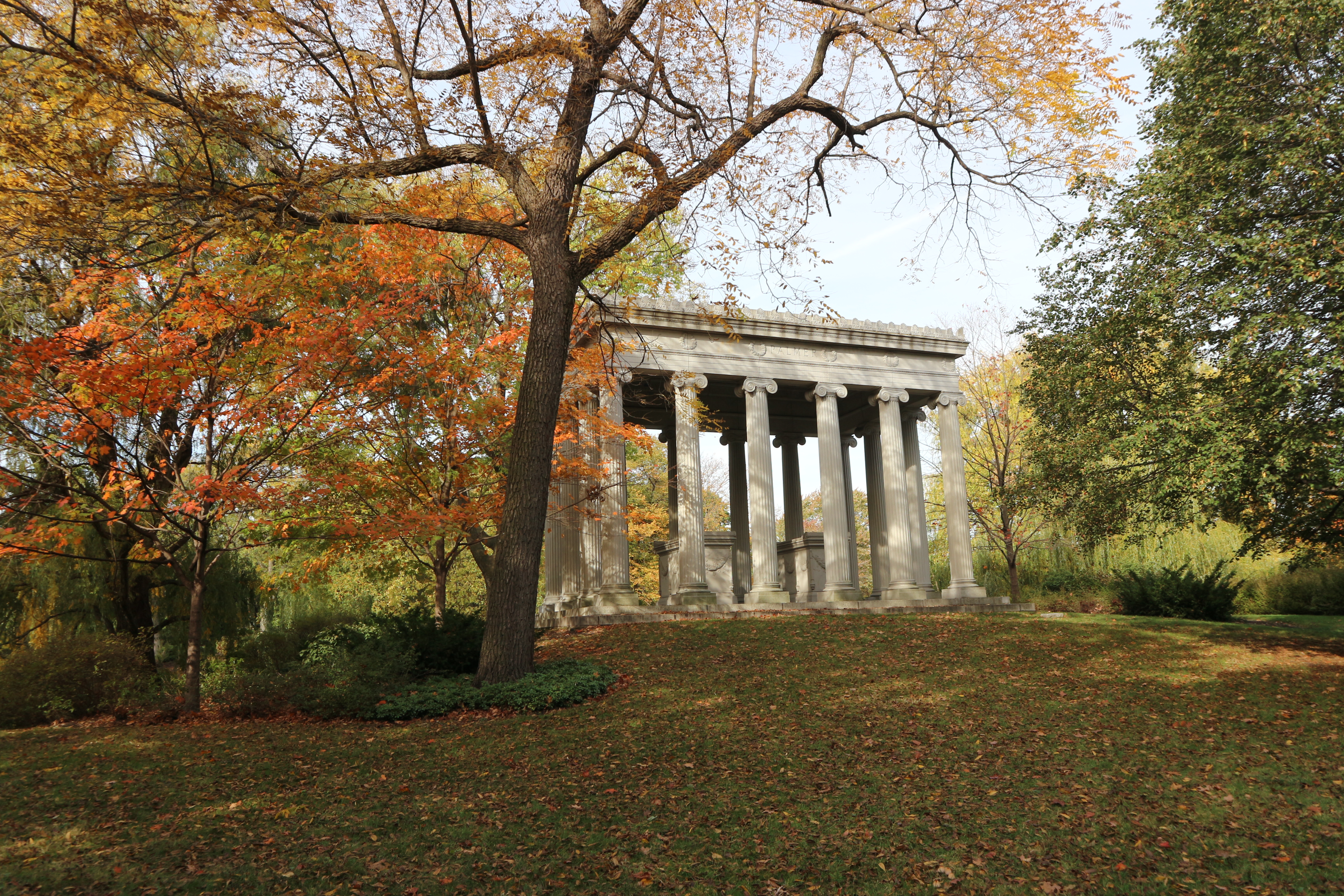
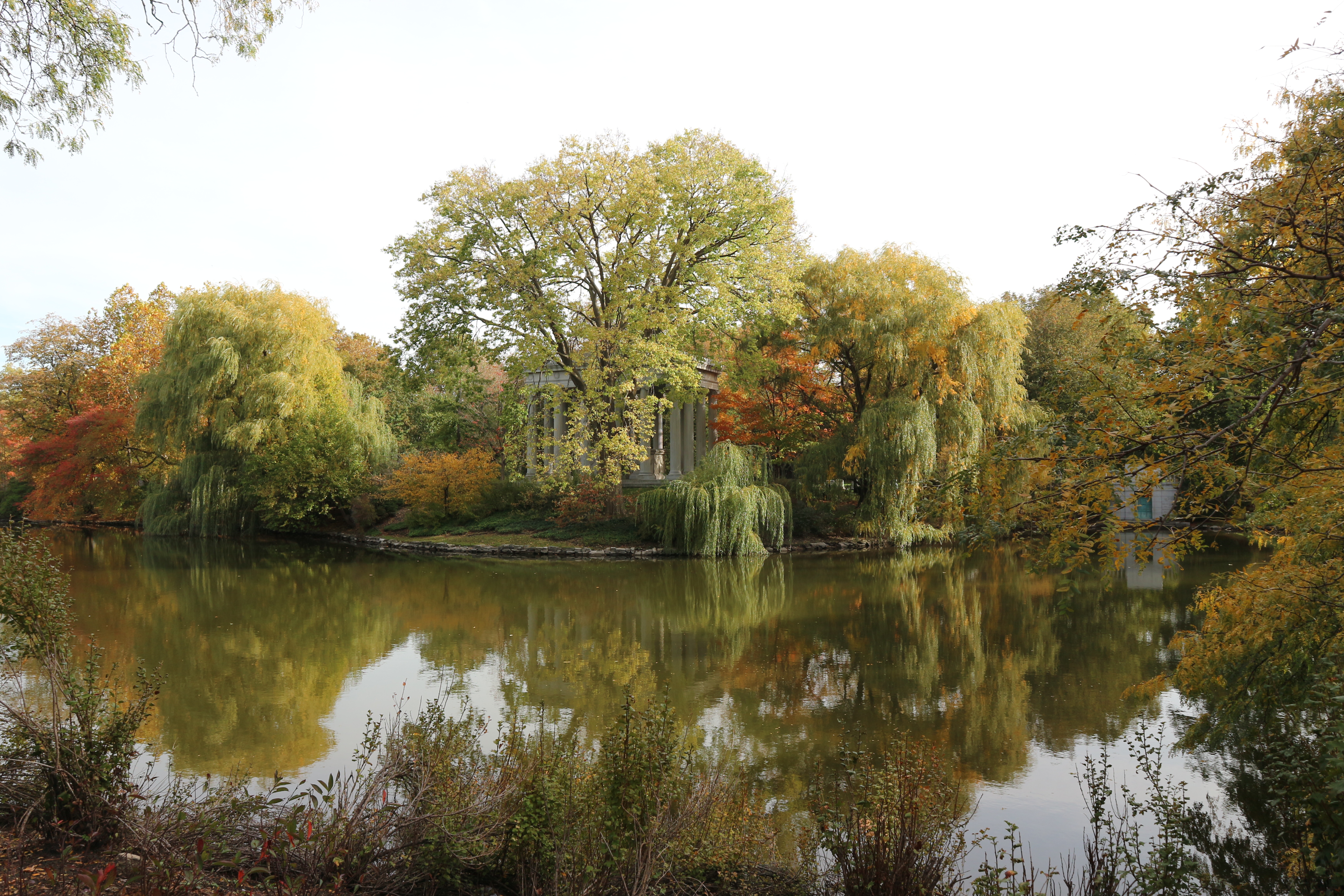
I could tell you how Chicago’s Lincoln Park used to be the city’s premier burial ground until Chicago’s City Council banned burials there. Or that it was decided to move the city cemetery to what’s now Graceland. I could tell you that the cemetery spans 121 acres, and holds the remains of the city’s most eminent residents, including architects, sportsmen and politicians. I could harp on about how beautiful a garden cemetery it is, how it feels like you’re taking the most magnificent nature walk when you’re in the middle of it, which Chicagoans have been doing since it’s establishment in 1961.

Instead, I’m just going to show you how stunning Graceland is through some pictures I took when I visited in late 2017…

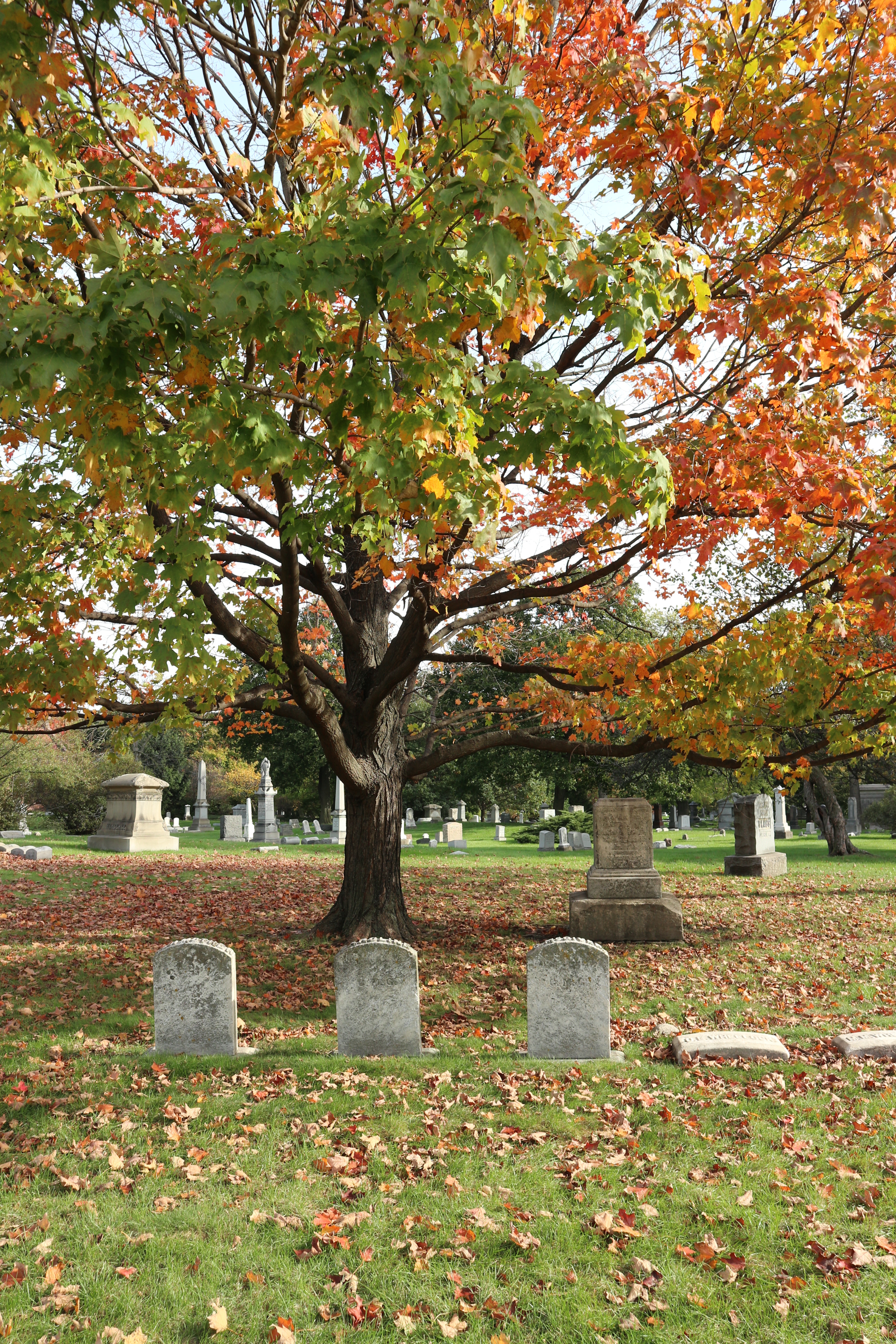
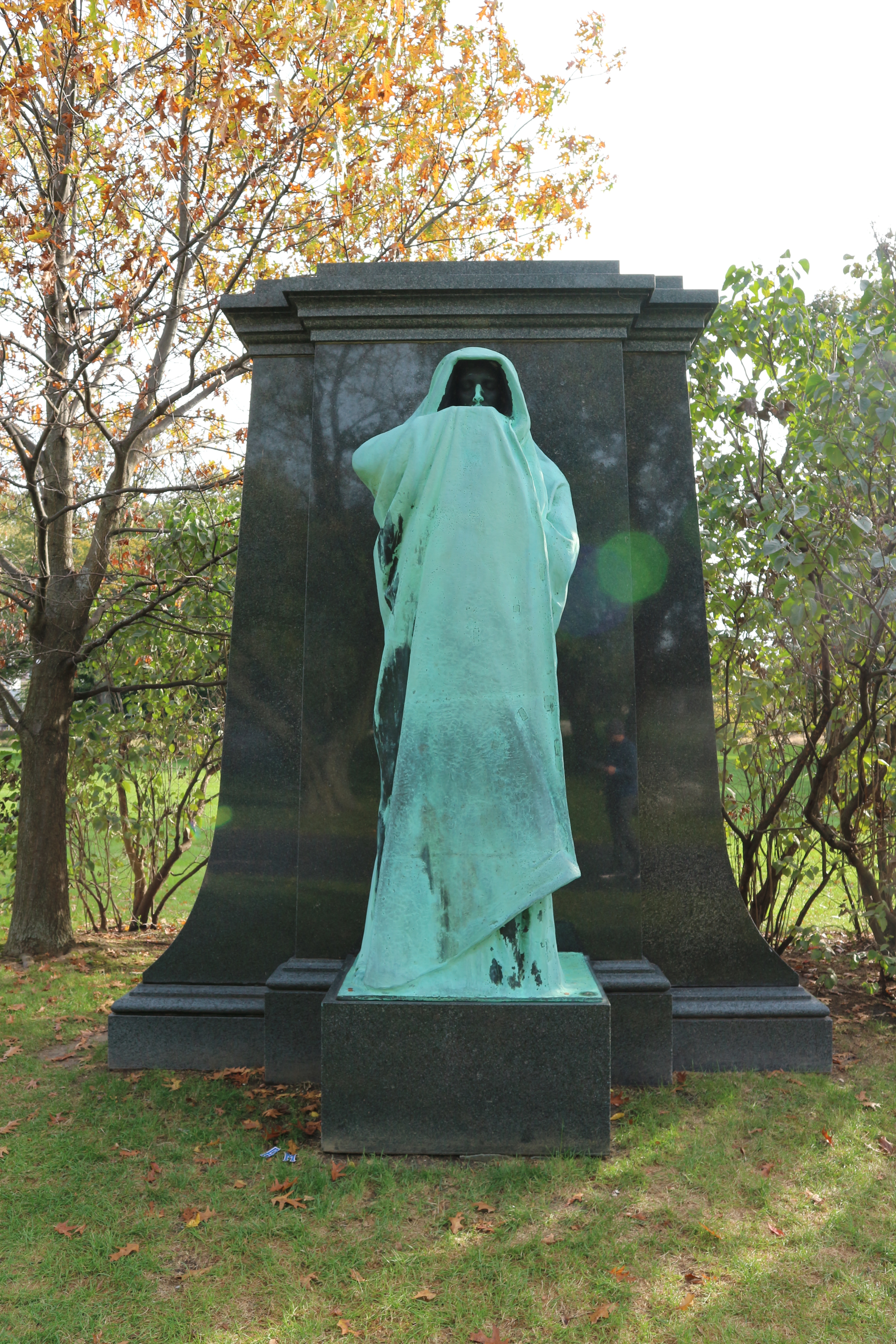
Cemeteries get a bad wrap for being creepy places. They generally don’t rank very highly on the traveler’s list of things to see and do. But Graceland felt much more like a museum crossed with a park than a burial ground. Visiting in autumn was magic, with all the leaves turning gold and red. The map you collect when you arrive is also particularly helpful, and adding to the museum vibe is the list of the important citizens buried there and a little biography of them all. And the only remotely creepy thing was the Eternal Silence statue below, and that’s only because Atlas Obscura told me that “looking into its eyes a person could see the nature of their own death…”