Stay here: Bunjil Farm, Victoria

Bunjil Farm
Kyneton-Springhill Road, Lauriston, VIC
http://bunjilfarm.com.au/


IMG_6287

A beautiful drive up through Macedon, Woodend and Kyneton brings you to Bunjil Farm, run by the lovely Lyn Stephenson. Lyn’s property is open, lush and absolutely stunning. It performs double duty as both accommodation for city escapees needing a break, and a hemp farm.

Hemp, for the record, is not the same as marijuana; Lyn’s crops are grown under license, subject to strict testing, and are used to produce, oil, textiles and building materials. You learn something new every day…

IMG_6277

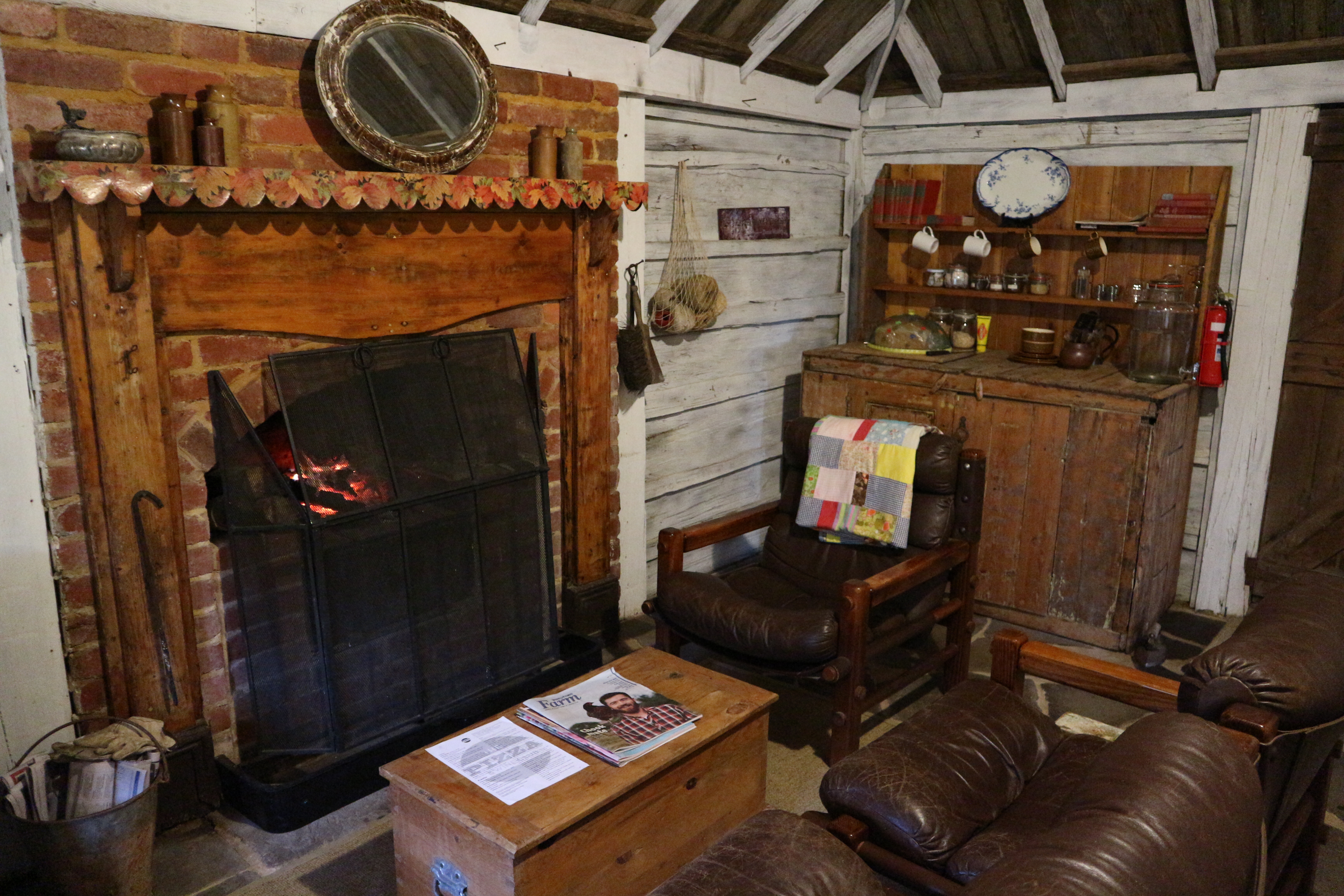
But, back to the accommodation. Paying homage to the original owners of this nation, the farm was named after Bunjil, the creator of the earth (you can read more about Bunjil’s story here). It’s instantly clear that so many details of the farm have been carefully thought out with respect for the earth in mind. There are a few options for accommodation at Bunjil Farm; when we visited, we stayed in the Settler’s Hut. Having visited in winter, the fireplace was a big selling point.

IMG_6274

This beautiful little hut has been carefully restored and kept as close to the original 1850’s version as possible, without compromising too much on modern comforts. There’s no TV or stereo or central heating, but there are very comfy couches, the aforementioned magnificent fireplace, and plenty of space to read, write and draw. The stone floors, while beautiful, are also pretty cold if you visit in winter, so pack your wooly socks.

The kitchen is spread across the hut, with a big wooden cabinet holding your breakfast provisions, tea, coffee, flatware and what not. The water in the hut is bore water, so a large glass jug full of fresh drinking water is provided, too. A sink over in the opposite corner, however, holds modern luxuries like a toaster, mini fridge, electric kettle and dishwashing detergent.

IMG_6275

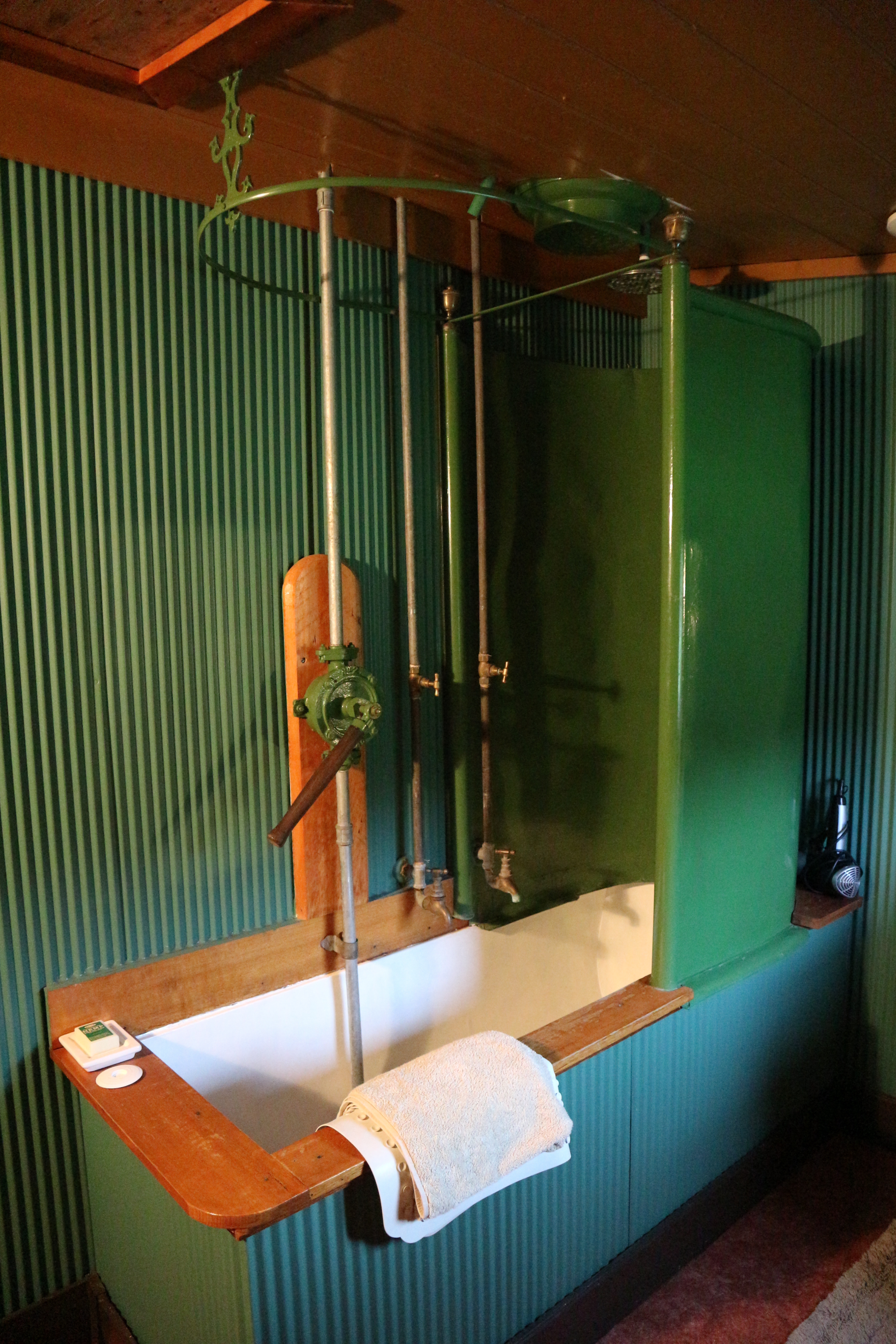
The bathroom is stunning, with the original plumbing still on display in the shower, but with modern plumbing actually in use, which means there’s not long to wait for a nice, hot shower. Thank goodness. Soft, fluffy towels are provided for you, as are some good, old fashioned hot water bottles to keep you warm and toasty at night. I hadn’t used a hot water bottle in YEARS, but was incredibly grateful that Lyn had the foresight to mention them as the temperature dropped later in the evening.

IMG_6283

The bedroom is simple and the bed is very comfortable – lots of big pillows to rest your heads on and a double doona will keep you warm overnight. There’s also a very efficient plug in heater that warms the bedroom up perfectly.

And don’t forget to head out the back and say hi to the neighbours – we met the most beautiful horses that Lyn keeps on her property for one of the city’s horse-and-cart owners. One was a bit feisty, but the others were incredibly placid and sweet-natured, and very photogenic. This gorgeous red-head followed us along the fence line, gently nudging our hands with his nose, to get a bit of a pat.

IMG_6299

IMG_6301

You can also expect breakfast to be a pretty impressive affair, with Lyn providing everything you’ll need; yoghurt, fresh milk, eggs, a very fresh loaf of bread, jams, butter, muesli, tea, coffee, hot chocolate, even Vegemite. You might be picturing an elegant, civilised breakfast in front of the fireplace, and maybe that’s what your breakfast will look like. In our case, it looked more like two large, pyjama-clad kids wolfing down fresh toast like they hadn’t eaten in days. And this kid polished off the marshmallows that Lyn kindly left on the table, along with some nice, long metal swords, so that I could toast them over the fire.

IMG_6278

When we visited Bunjil Farm, we both desperately needed a break from life. Being able to literally switch off from life with no TV, put our phones away, not have to rush around to see or do anything, and just BE was the perfect way to reset. Lyn’s created the most wonderful atmosphere at Bunjil Farm, making you simultaneously feel like you’re totally comfortable and at home, and a well looked after guest at the same time.

R U OK? How to ask, how to answer & why it’s so important

RUOK
Our culture, as Australians, is pretty simple; when you come across a fellow human, you ask “how are ya?” And you respond “yeah, good, how are you?”  We’re conditioned to be “good,” to not speak about our problems, to not be emotional burdens. But sometimes that’s not OK.

Tomorrow is national R U OK? Day in Australia, which comes in an ironically timely fashion for me; after a few pretty good weeks, I’m going through a(nother) nasty little stormy patch right now. It comes and goes so quickly and with SO little warning. If you’re a fellow Aussie, you may have also noticed Buddy Franklin in the news over the last day or so, dealing with something similar, with some of his closest family and friends stating that they were unaware of his battle with mental illness. Ahhh to have a dollar every time that phrase was uttered… “Ohh, I had no idea, you seem so normal!” (I’m not a bloody alien!) And that’s the thing that makes mental illness so deadly; people still don’t talk about it because they’re, I dunno, embarrassed about it, feel awkward about it, still believe in the stigmas attached (all because the education isn’t there). And so, this horribly isolating, dangerous disease (every single bit as deadly as other serious PHYSICAL illnesses, by the way) goes unnoticed, often until its too late. And that’s what R U OK? Day is all about.

If you’ve never heard of it or seen the logo, in their own words, they are:

…a not-for-profit organisation founded by Gavin Larkin in 2009, whose vision is a world where we’re all connected and are protected from suicide. Accordingly, our mission is to encourage and equip everyone to regularly and meaningfully ask “are you OK?”

We know that suicide prevention is an enormously complex and sensitive challenge the world over. But we also know that some of the world’s smartest people have been working tirelessly and developed credible theories that suggest there’s power in that simplest of questions – “Are you OK?”

I’ve written a little about my own struggle with depression, anxiety and disordered eating before on here, but as a general rule, I’m not super open with it. Actually, let me re-word that; if I’m asked, I’m honest. If someone is genuinely asking, from a non-judgmental place, what’s going on and wants to know how I feel and where I’m at and how I got to that point, I will be open and candid about it. I don’t feel shame over it; it is what it is. Some people are affected by diabetes, and they don’t have to apologise for it. Some people are coaelic, and that’s not their fault. People with Crohn’s disease or endometriosis or melanoma aren’t expected to have to defend themselves and the perceived ‘inconvenience’ their illness is causing for people who don’t understand it. This is no different. For whatever reason, the way my brain is wired and the way the chemicals interact up there has caused me to end up with depression. I am not depression, but I do suffer from it. It doesn’t define me, but it does affect me.

As for the aspect of it all that R U OK? deal with, suicide, that’s not a subject I’ve written about before, and I’m not certain I ever will. It’s a difficult subject to broach; it’s something that everyone has an opinion on, and those opinions are all very personal and formed from our own experiences. I also tend not to discuss it because, like mental illness full stop, a lot of people out there don’t take it seriously. I will post a review on this book next week, because I think it’s completely necessary reading for every single person who is or knows someone affected by depression (basically everyone on the planet), but in his absolutely brilliant book Reasons To Stay Alive, Matt Haig writes this:

“Suicide is now – in places including the UK and US – a leading cause of death, accounting for over one in a hundred fatalities. According to figures from the World Health Organization, it kills more people than stomach cancer, cirrhosis of the liver, colon cancer, breast cancer and Alzheimer’s. As people who kill themselves are, more often than not, depressives, depression is one of the deadliest diseases on the planet. It kills more people than most other forms of violence – warfare, terrorism, domestic abuse, gun crime – put together… Yet people still don’t think depression really is that bad.”

Those statistics, I think, really speak for themselves. So, instead of discussing my thoughts on suicide per se, I want to focus on one big thing we can do to prevent it. It’s easy enough that anyone can do it, it costs nothing, and it could save a life. Wanna know what this big thing is? Talking.

RUOK 1

The theory behind R U OK? is that a simple conversation could be all it could take to save a life. Talking, asking, listening, opening the conversation and therefore taking the stigma and secrecy out of the suffering. It’s as simple to affect change as just asking someone “are you OK?”


How to ask
Like I said, it’s a difficult subject. It’s hard enough to talk about your own feelings of hopelessness, let alone ask someone else about theirs. If there’s someone in your life you’re worried about and who seems like they’re doing it a bit tough, here are a few ways you can ask them if they’re OK…

1. Make time for it: Personally, while I appreciate friends asking me if I’m OK, there’s nothing worse than being asked at an inappropriate time or place, because then it kinda feels like they’re only asking because they feel like they have to, not because they want to. Ask R U OK? when you have time to stop and listen to the response, not as you’re rushing off between appointments. And consider where you are, too – the middle of the office or a quiet cafe might not be the best!

2. Let them know you’re concerned and don’t take no for an answer. Then, just let them talk: After asking “are you OK?” you’ll most likely be met with “yeah, fine, why?” Don’t take it at face value – if you know this person well, and your gut is telling you they’re not fine, call them on it. Tell them that you’re not entirely sure you believe that, and while you may not understand exactly what they’re going through, you’d like to try to understand and help where you can. If you’re worried, don’t let it go. Once you’ve expressed your concern, then just let them talk. When you’re used to keeping it all bottled up and someone actually, genuinely makes the time and effort to ask if you’re OK, it takes a little time to express what’s going on. Give them a moment to gather their thoughts, and when they do start talking, don’t feel the need to jump in and problem solve; sometimes just giving voice to what’s been swimming around in your head helps!

3. Let them know it’s not their fault: People who struggle with mental illnesses of all sorts often feel like it’s their fault. Like they’ve done something wrong to deserve it. One of the most comforting things you do is reassure them that this is not their fault, that yes it is a shitty situation, but it’s not their fault they’re in it. Depression is a nasty, irrational illness, and it doesn’t discriminate who it chooses to shoot down. But no one asks for it.

4. Do NOT say any of the following things, under ANY circumstances:
– It’s all in your head, you’re fine.
– You have a great life, I don’t know what you could possibly be so depressed about.
– There are heaps of people who are worse off than you.
– Just smile!
– You can actually control this, just decide to be happy.
– Yeah I know what it’s like, I have shit days too.- This has been going on for a while, shouldn’t you be better by now?
– Shit happens, just get over it.
– You’re so over dramatic, you just want attention.
And in case you’re wondering, I speak from personal experience here. Yes, people have said all of those things to me at some point. Some of them have even been said by family members. This is why I don’t have a lot of meaningful relationships anymore.

5. Set boundaries: While it’s very tempting to want to jump straight in to savior mode when a loved one is hurting, that’s not necessarily the best thing for either of you. Yes you’re their friend or family, yes you care very much, and yes you want to help. But sometimes the best way to help isn’t letting them transfer all their problems and hurts on to you. Let them know you’d like to help where you can, but make sure you’re not doing that at the cost of your own mental health. Offer to go along to a psychologist appointment if they feel like they need the support, or catch up for a weekly coffee and chat, but don’t cancel your plans day after day to be checking up on them. Encourage them to find solutions that will work for them rather than trying to do it all for them.

RUOK 2


How to answer
This is hard to write, because it’s very personal and individual. And personally, I hate being asked. I’ve been conditioned to shut up and put up, display the shiny, happy veneer to the outside world and deal with the hurt myself. But the older I get, the more I realise I can’t keep it up forever.

1. Put yourself in their shoes: If anything, depression makes you even more sensitive to other people’s hurts. A lot of people struggling with depression (myself included) try extra hard to make sure everyone else is doing OK as a way of deflecting our own problems. If you saw a friend who seemed down and out, you’d ask them too, so don’t get your back up when someone asks you – it means you’re loved!

2. Don’t get defensive: Assuming they’re coming from a place of understanding and love, they’re not accusing you of anything; they’re worried about you. They’re ready to listen, so you don’t need to defend how and what you’re feeling. Drop your guard and let them see you, not your mask.

3. Be open to help: It can be hard enough opening up to someone you know and love; it’s a whole different ball game opening up to a stranger. But you can’t use your loved one as a crutch. Asking if you’re OK is a way for them to make you realise that you’re actually not OK, and for you to become OK is probably going to take a bit of work on your part. Be open to outside help, because it’s unfair to expect your loved one to solve all your problems for you.

4. Be honest: If you’re not OK, say so. If someone cares enough about you to actually ask, the least you can do is be honest. They wouldn’t be asking if they couldn’t handle it, so tell them what’s going on as honestly and openly as you can. You’d be surprised how good it feels to get all the shit that’s been building up out of your head and into words. It can also help put things into perspective and give you a new lease on your problems, hearing them out loud instead of having them swim around in your head.

5. Don’t be afraid to ask for help: If they care about you, one of the first things they’re going to do is tell you to let them know what they can do to help. You don’t offer your best friend help if you don’t mean it, so if having someone bring their extra dinner left overs to work for your lunch so you don’t have to cook, or picking up your kids from school, or just catching up for an hour over a cup of tea is going to really help you, let them know! Even your closest friends aren’t mind readers; if they don’t know what you’re going through, how can you expect them to know what they can do to help??

And lastly, SAY THANK YOU!!! Not everyone is lucky enough to have someone care enough to ask if they’re OK. If someone asks you, thank them.

RUOK 3

Tomorrow, let’s all put a bit of love out there and start the conversation, because you never know whose life you might be saving – all you need to ask is “R U OK?”


If you’re not OK, please consider seeking help from:
Lifeline – 13 11 14
Beyond Blue – 1300 22 4636
SANE – 1800 18 7263
Kids Helpline – 1800 55 1800
Suicide Call Back Service – 1300 659 467

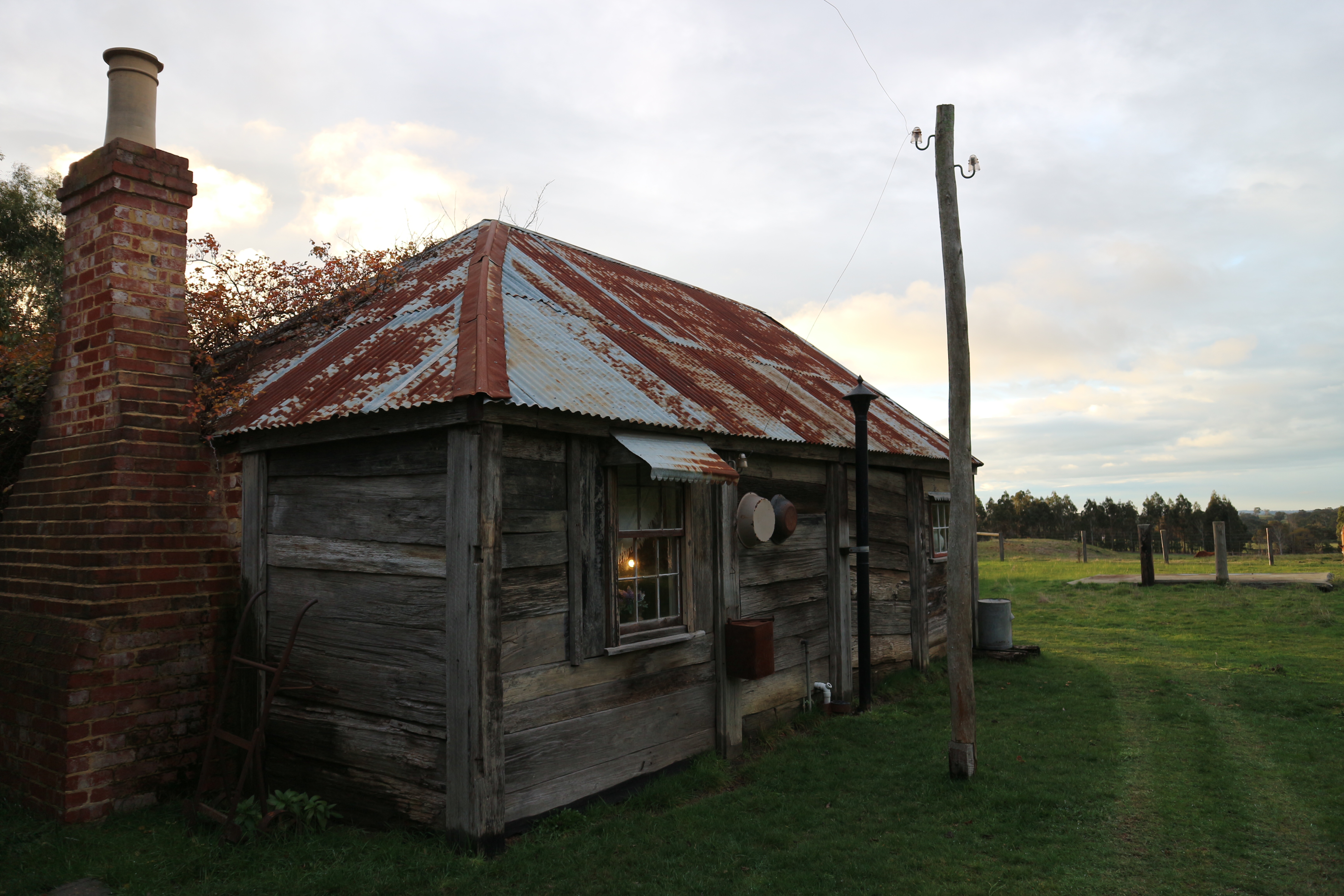
Photo Journal: New Orleans, 10 years post-Katrina…

IMG_6717

It’s hard to believe it was 10 years ago to the day that Hurricane Katrina tore apart New Orleans; 10 years ago I was half way through my university degree, still living at home, in a relatively new relationship with the guy that would become my husband. When we first started dating, we spent a lot of time talking about all the places we wanted to travel to (and it was a bloody long list), the places we wanted to see and, more importantly, experience. New Orleans was a city pretty high up on both our lists, and we were both equally surprised at the others’ desire to visit. New Orleans, pre-Katrina, wasn’t exactly a big ticket city; at least not for 2 Aussie uni students. It wasn’t a Paris or a London or  a New York. But we both wanted to go. He wanted to go for the music, the night life, the care-free atmosphere in a city that seemed to be built on fun. I couldn’t actually put into words why I wanted to go; it was one of those weird “I don’t know why, but I know I belong in that city” things. Something about the music, the art, the voodoo, the cemeteries, the literature, the food – I just knew that any place there was a coalescence of all those things was a place I needed to be.

But we were still kids. We were both full time uni students. We had big dreams, but no money to fund them. When Katrina hit the city, we were both devastated; for some still unknown reason, we felt a strange connection to this mysterious city on the other side of the world. We debated over and over again whether it’d still be a city we’d want to visit post-Katrina. Would it be somehow tainted? Would the recovery effort have taken away all of the magic and the charm we wanted to visit for? Would they, a people so fiercely proud and protective of their city, still accept visitors as openly? We weren’t sure, but we were both determined to visit anyway and find out for ourselves.

IMG_6742

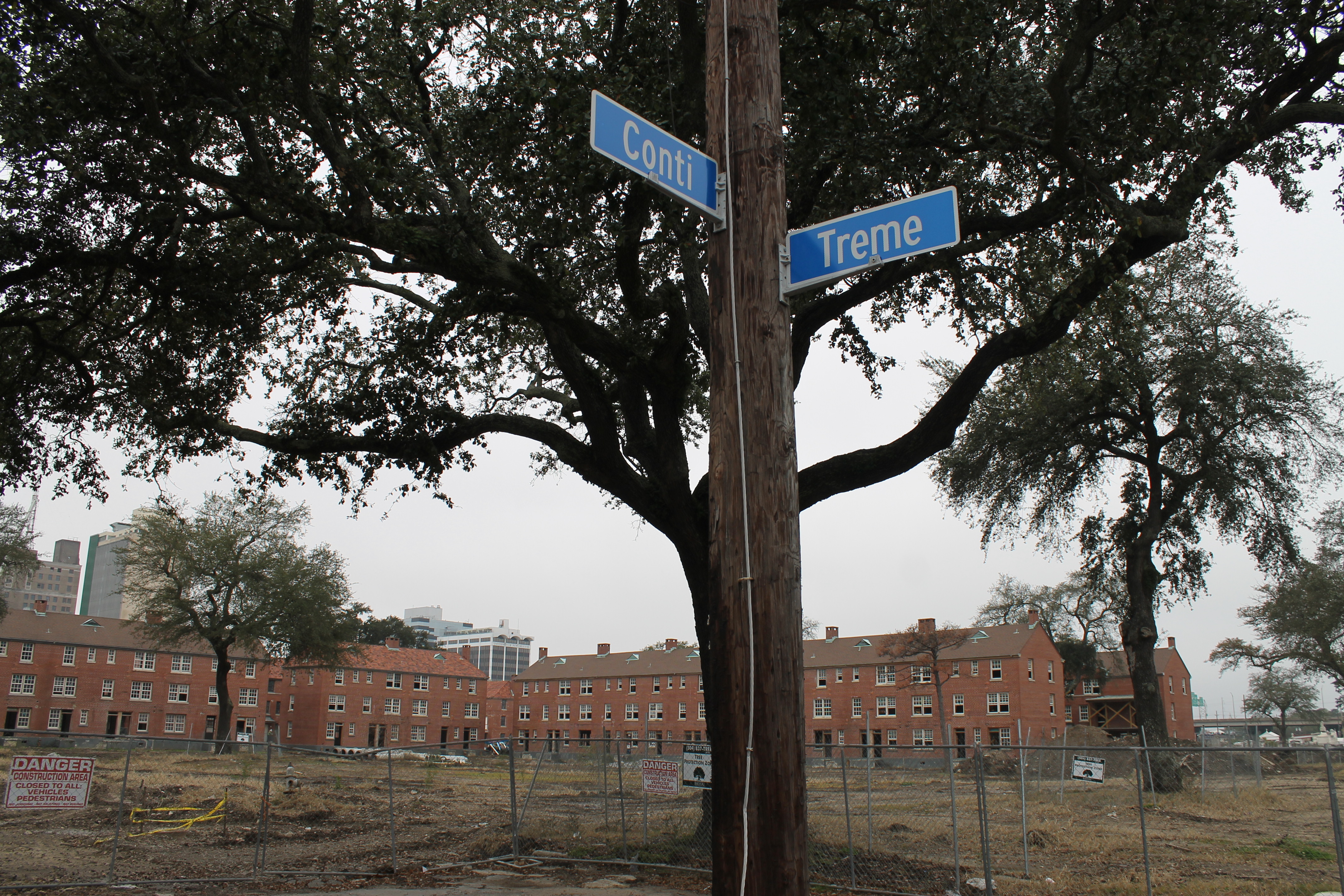
Ten and a half years after we started dating, and nine and a half long years after Katrina hit, we finally made it. We finally visited this city we were both so strangely drawn to. And while the spirit of the people was so strong, the physical effects of Katrina were still so punishingly visible.

This storm caused damage on a scale that can’t be accurately understood through words. We’ve all read the numbers, the statistics, but even they seem completely unreal.
80% of the city under water.
Almost 2000 lives lost.
Close to $110 billion in damage.

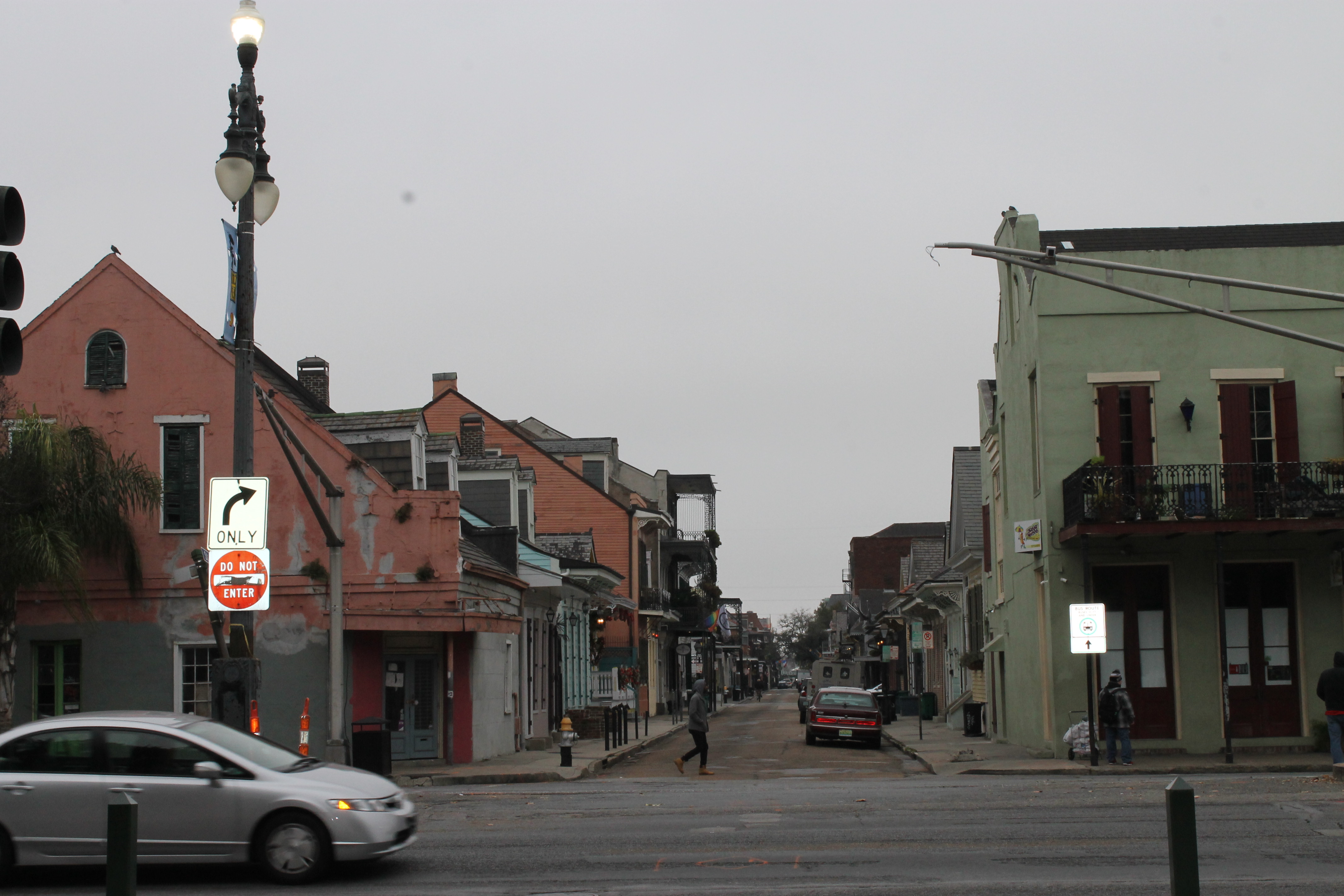
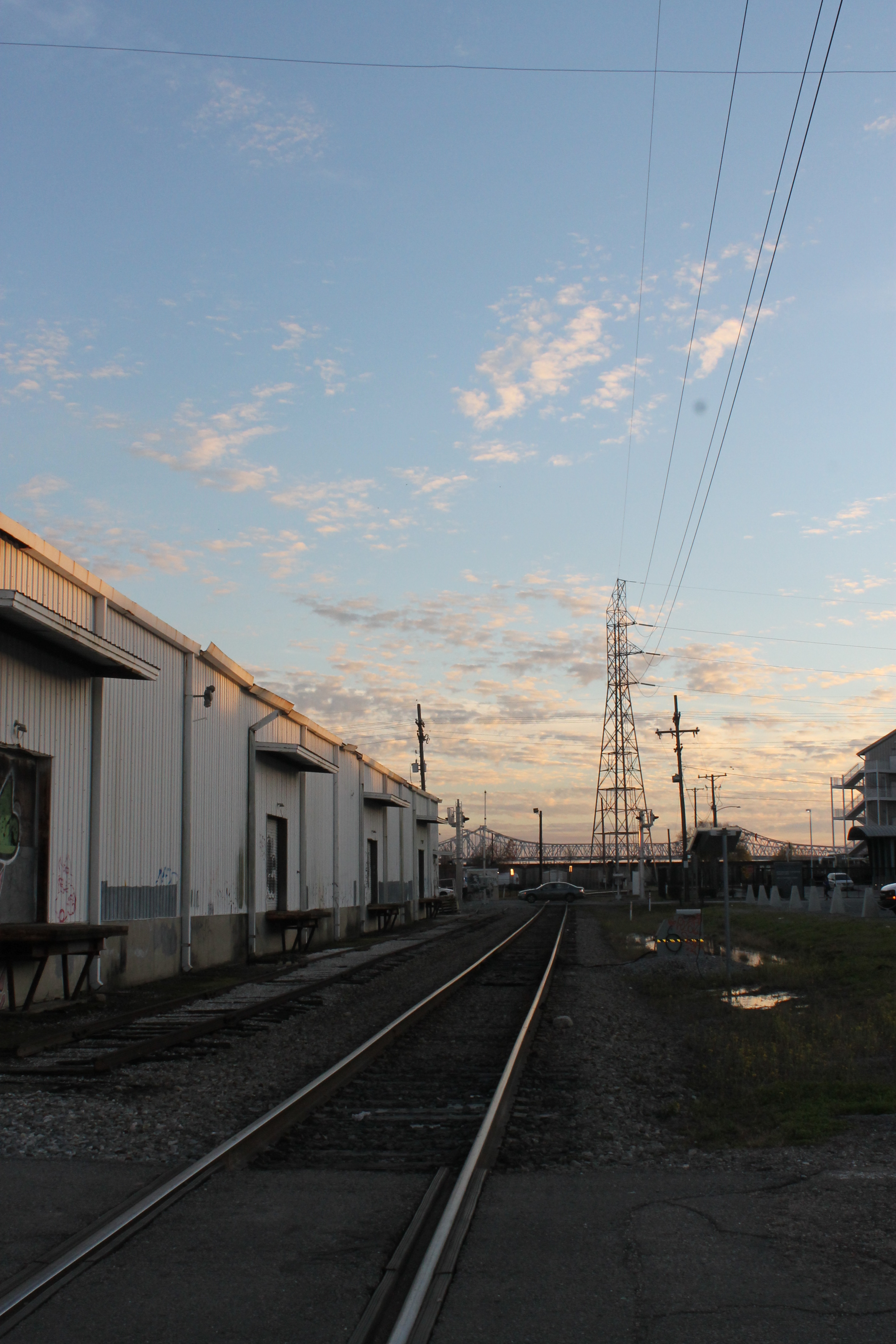
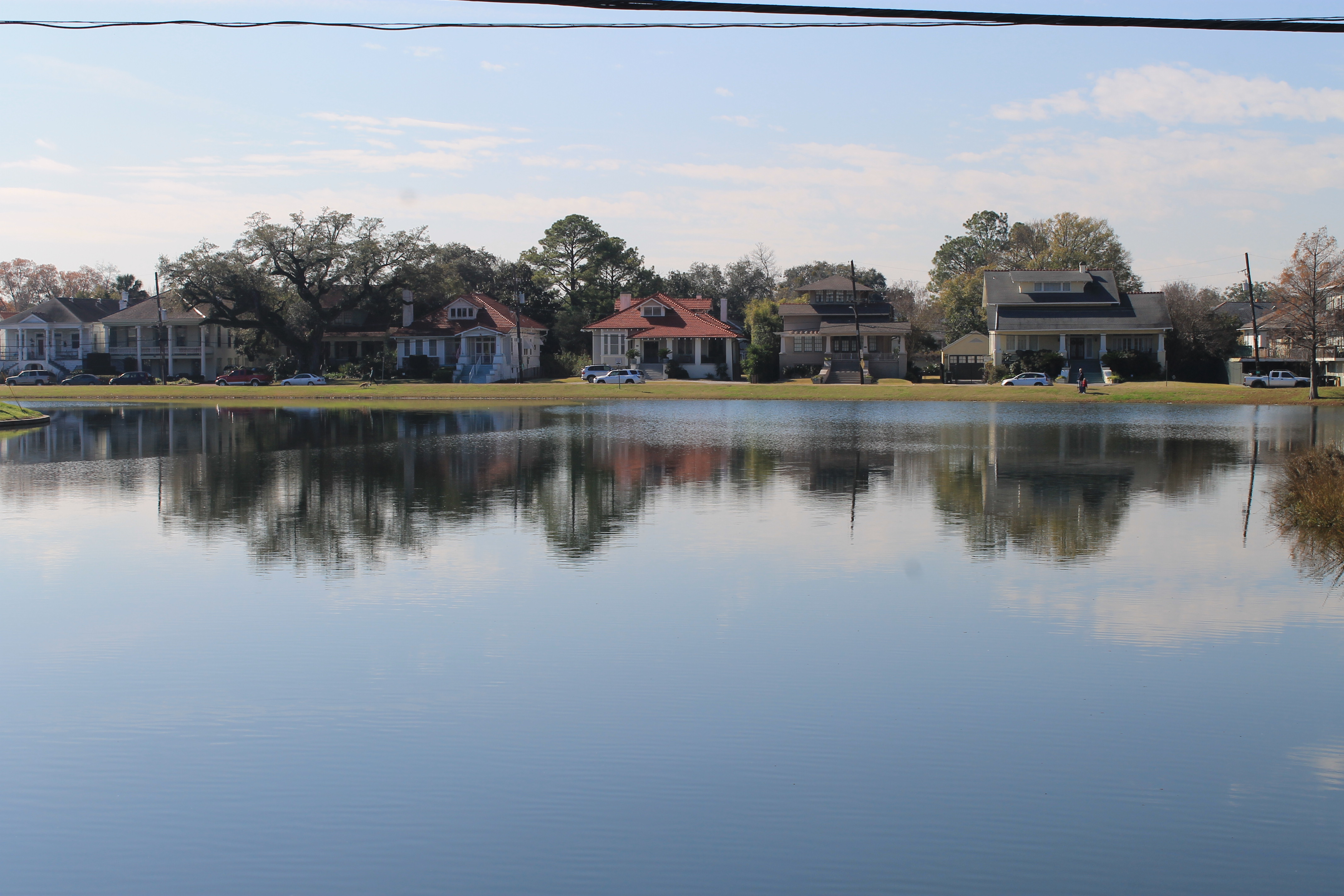
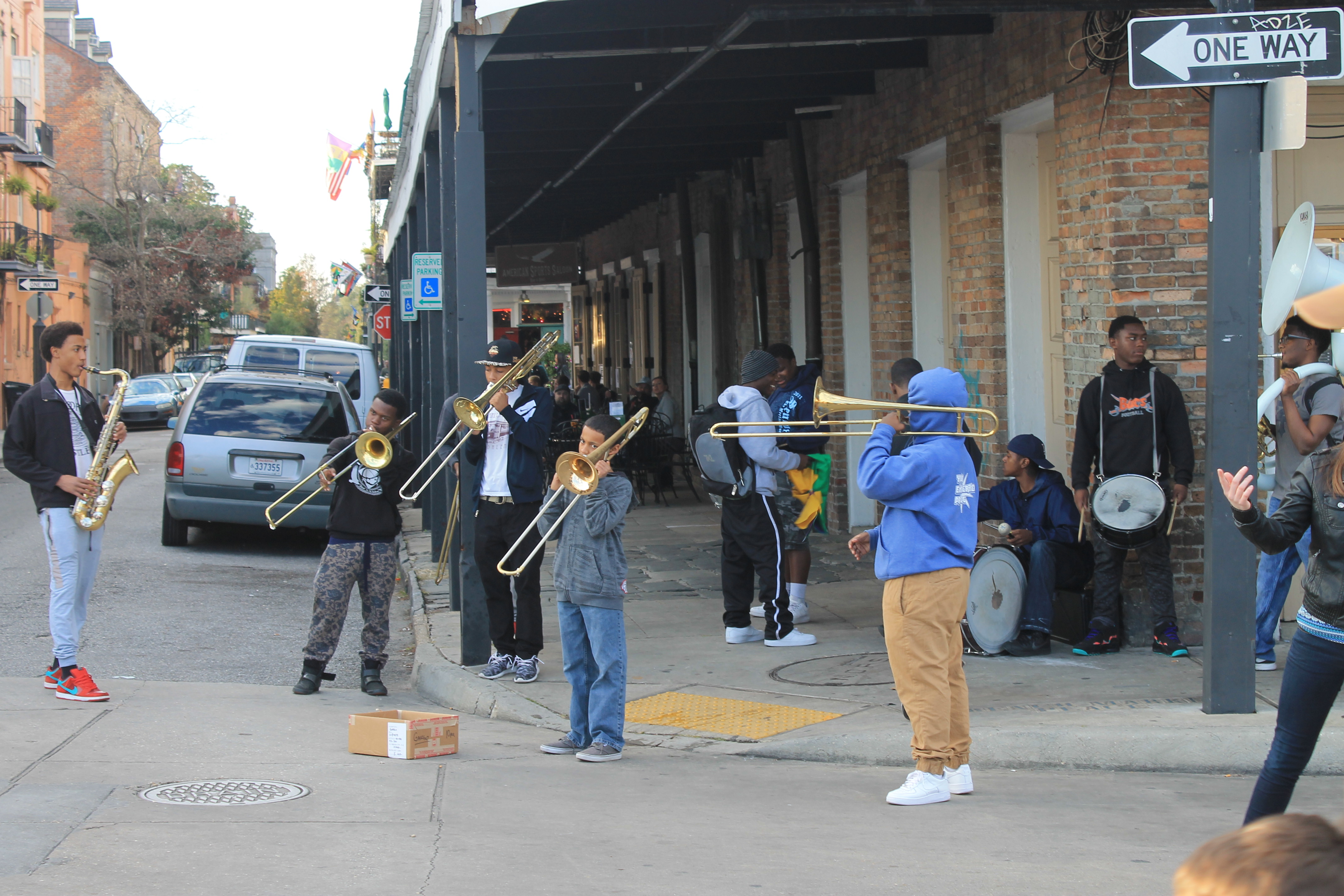
There have been hundreds of articles written about it all, and nothing I write will be as meaningful as some of the first-hand accounts written by the residents and survivors (I’d especially recommend watching  HBO’s Treme and reading Nine Lives by Dan Baum). What I can say, as a complete foreigner and outsider, is that New Orleans changed the trajectory of my life. Even post-Katrina, it was still magic. All of the imperfections made it so perfect. My soul was different for having visited. And all of our reservations were completely unfounded; the charm was still there, the recovery effort was incredible, and the people couldn’t have been more kind and welcoming. Instead of writing about the recovery ten years on, because (let’s be honest) I really don’t have the insight into it like the locals will, let me show you New Orleans through my eyes almost 10 years on. And I’m not talking the pretty touristy sights. Let me show you some of the more real, less brochure-worthy, genuine places and things I saw.

IMG_6782

IMG_6833

IMG_6829

IMG_6721

IMG_6817

IMG_6765

IMG_6831

IMG_6828


A walk through Arlington National Cemetery, Washington, D.C.

Arlington National Cemetery
Virginia side of Memorial Bridge, Washington DC
http://www.arlingtoncemetery.mil/

IMG_6474

I’m not a supporter of war. I’m not saying I don’t support our troops when they’re called upon. I’m not saying I’m not extremely proud of the men and women who have fought for us and the comfortable and relatively safe lives we lead here. I’m not saying I haven’t been extremely humbled by the willingness of every day people to take up arms to defend their country and people. But a quote I read years ago that’s always stuck with me is “war doesn’t determine who is right; only who is left.”

I’m not going to write this post about my feelings and beliefs towards acts of war; I don’t want to open the debate, because I believe it’s too sensitive and personal. But yesterday marked Purple Heart Day in America, the day they choose to honor the men and women who have been wounded or killed in military service, and I thought it an appropriate and poignant time to share a few photos from my visit to Arlington National Cemetery in January. To call over 600 acres of tombs an overwhelming experience would be a disrespectful understatement. I wasn’t at all prepared for the enormity of it, or the impact seeing all of those tombs would have on me. It wasn’t easy to walk through, yet I felt it was a necessary walk, not just for me but for everyone. I think that in order to continue to justify the waging of war and hatred and taking of lives, everyone should walk through here; it completely takes your breath away to be standing among so many lost souls who needn’t have lost their lives so violently and horribly…

IMG_6478


Finding myself in St Louis Cemetery #1, New Orleans

St Louis Cemetery No. 1
425 Basin St. New Orleans
http://www.saveourcemeteries.org/st-louis-cemetery-no-1/


I wrapped my oversized cardigan around me a little tighter as my feet crunched over the leaves that peppered the footpath, and the early morning wind blew as if it were trying to pass right through me. I’d woken up that morning in New Orleans, the city I’d been inexplicably drawn to, and a long way from home back in Australia.


It was with some trepidation that I passed through the entrance of the St Louis Cemetery No. 1. It wasn’t the whole being in a cemetery thing that had me unnerved; I’m oddly at ease among the graves and stories of the past. What I wasn’t at ease with at that time was myself. I arrived in New Orleans with this feeling I couldn’t shake, like I didn’t fit in anywhere, like I didn’t belong. On that thought, the wind blew through me once more, as if urging me on through the front gate, as if pushing me toward answers.

IMG_6739
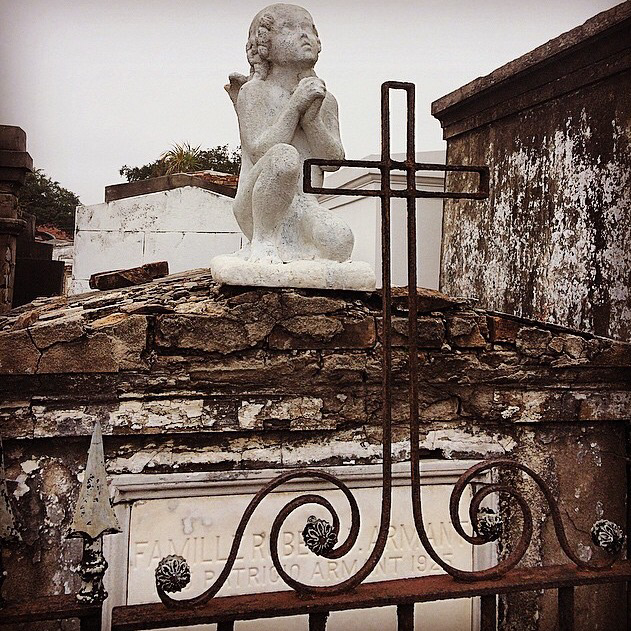
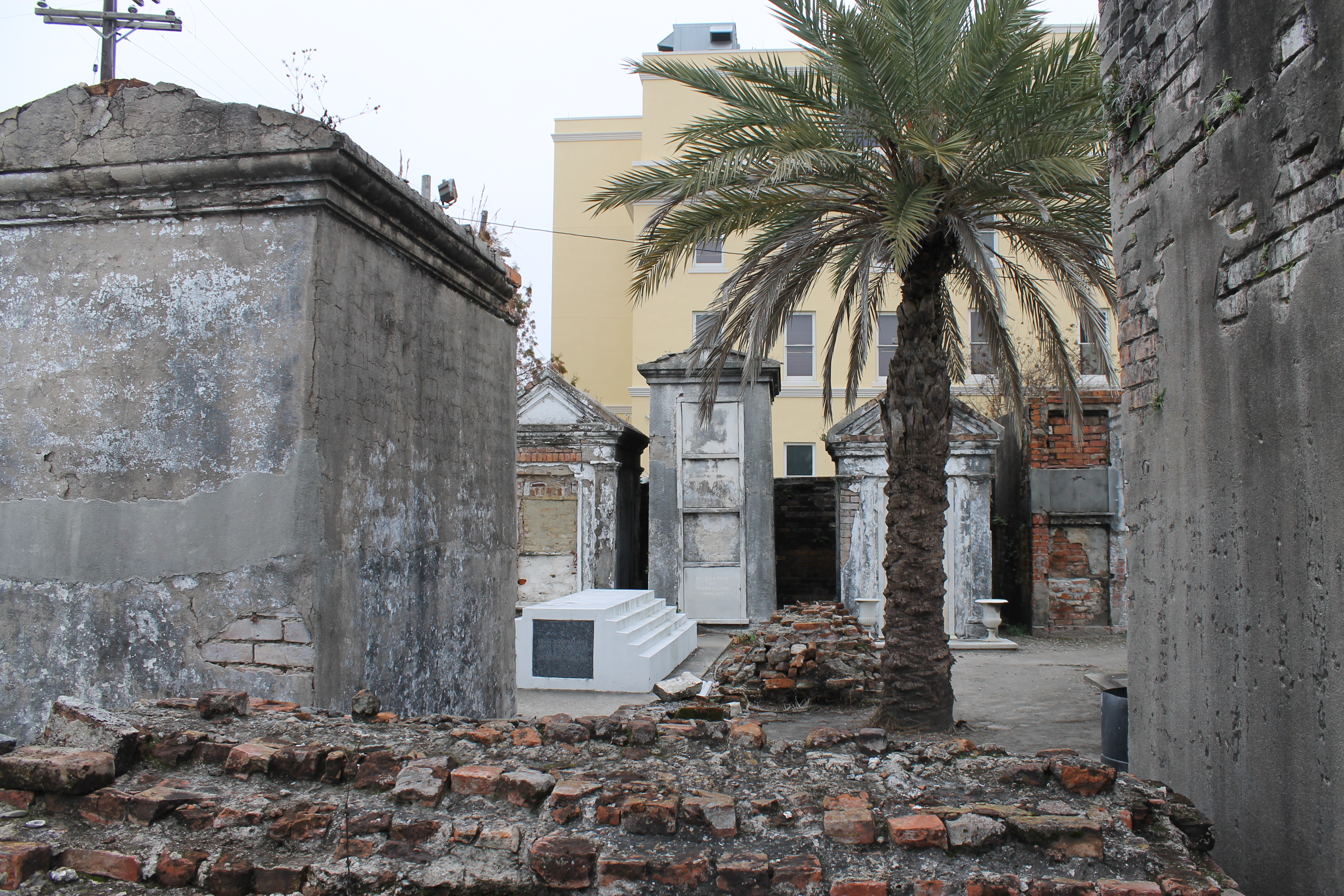
I moved silently through the decaying tombs, many dating back to the 1700s. Generations were contained within single crumbling structures; how many were truly remembered? What were their stories? The tombs would have been beautiful originally, but the deterioration they faced over the centuries only made them even more striking. Intricate wrought iron crosses and arrows decorated gates encircling tombs, while large stone and marble placards listing the names of the souls resting within lay on the floor beside many of tombs, gently pieced back together, having fallen from the places they’d originally occupied.

IMG_6730
Looking out over the praying angels perched on top of mausoleums, eyes turned to the heavens, I could see Treme Street and the housing projects beyond. Arriving just as the gates were unlocked for the day proved to be the perfect time to visit, with no one else around. I was a long way from the mayhem and commercialism of the tourist hub that is Bourbon Street; I was, proverbially, definitely not in Kansas anymore.


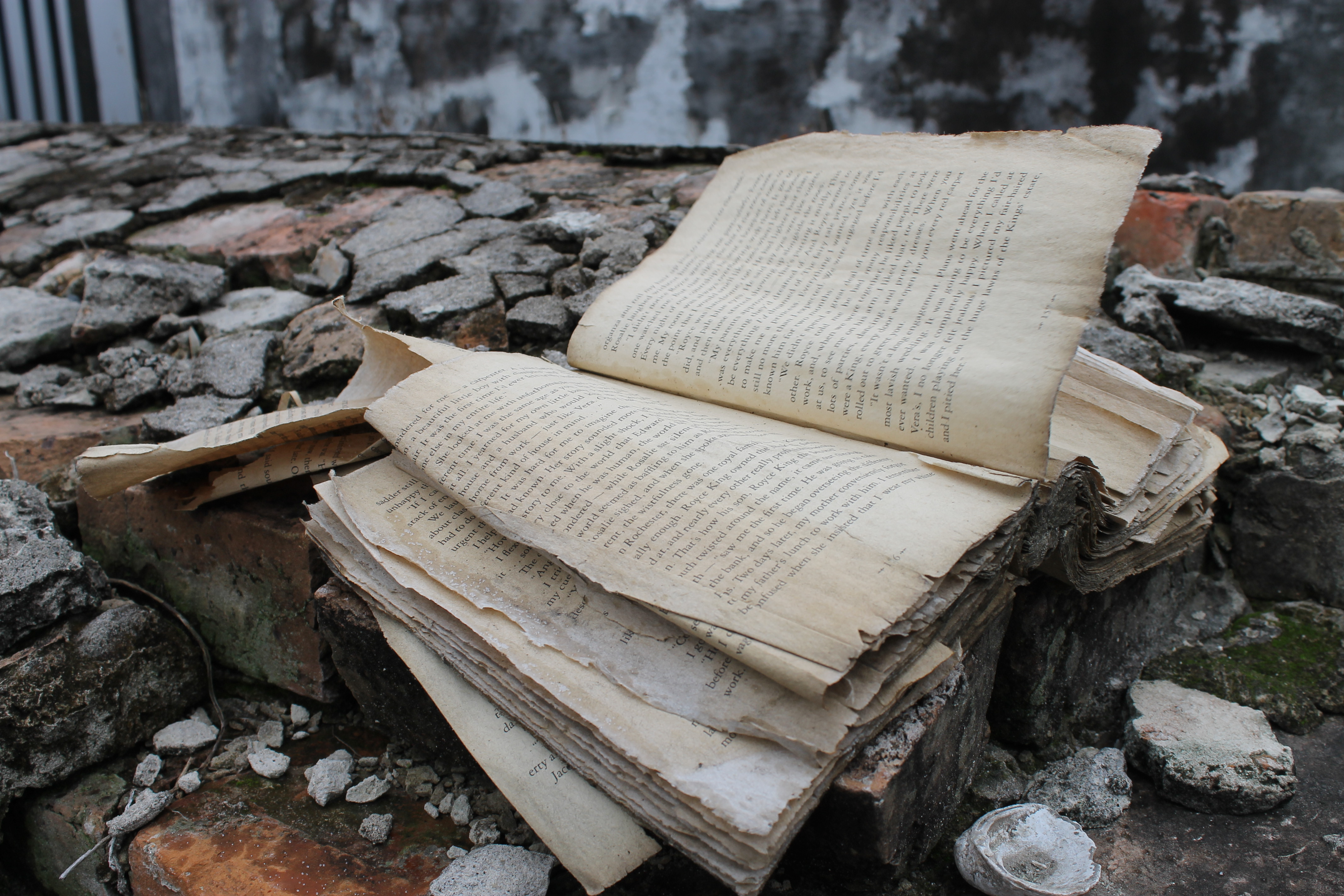
I guess travel is the ultimate opportunity to reflect and recharge; we all know the cliché of people “finding themselves” while travelling. New Orleans was so different to anywhere else I’d been. The people there seemed to live authentically, fearlessly. Free. As someone who’s spent the best part of her life held back by fear, I was hypnotised by that thought, ready to start my own new chapter. And, as if the spirits had me in their hands, the last thing I saw before I left the cemetery was an old book, the pages browned and torn, sitting on top of a tomb; as I walked past, the wind blew the open pages shut.

IMG_6742